If you’ve ever dreamed of owning a piece of Texas where wildlife roams freely but carefully managed, high fence ranches might be exactly what you’re looking for. These special properties offer more than just land—they provide a unique blend of privacy, security, and controlled environments perfect for hunting, conservation, or simply enjoying nature. At Mike and Cody’s Texas Ranch Sales, we’ve spent years helping people find these rare gems, and in this article, we’ll walk you through what makes high fence ranches so valuable and how to spot the right one for you.
At Mike and Cody’s Texas Ranch Sales, we specialize in listing high fence ranches throughout various regions of Texas, including South Texas, Hill Country, and East Texas. Our expert team can help you locate the perfect high fence ranch tailored to your needs, combining privacy, wildlife management, and excellent land stewardship—contact us at (833) 697-2624 or buyatexasranch@gmail.com to explore current listings.
Overview of High Fence Ranches
High fence ranches distinguish themselves primarily through their extensive perimeter fencing, typically standing between eight to ten feet tall.
This isn’t just about keeping animals in—it’s about creating a carefully controlled environment where wildlife can thrive under managed conditions. The fencing serves as a physical boundary that protects the landowner’s investment, minimizes unwanted poaching, and helps maintain a stable ecosystem inside. In states like Texas, with its vast rural expanses and thriving hunting culture, these fences play a crucial role in balancing the needs of landowners, hunters, and conservationists alike.
The origins of high fence ranching date back several decades, growing from simple game management efforts into sophisticated operations involving exotic species and trophy deer. For those familiar with the industry, this evolution reflects a broader shift toward sustainable hunting practices and habitat restoration.
Today’s high fence ranches are often equipped with infrastructure that goes beyond fencing—features like water sources, feeders, and trail systems designed to support robust wildlife populations year-round. This careful management not only enhances animal health but also ensures higher quality game for hunting purposes.
With such focused investment in ecology and animal care, the value of owning a high fence ranch extends far beyond traditional notions of property.
When you consider purchasing one of these exclusive properties, you’re not just acquiring acreage—you’re taking stewardship of a dynamic ecosystem.
These ranches offer controlled opportunities for hunting premium game while preserving wildlife genetics over generations. They also serve as ideal settings for scientific research or educational initiatives involving Texas’s unique flora and fauna. From an investment standpoint, high fence ranches hold their own distinct appeal due to their rarity and ongoing demand from buyers seeking both recreational enjoyment and long-term land value appreciation.
[EXPAND ON IDEA]Key factors that prospective buyers should evaluate when considering high fence ranches include:- Fence Integrity: The quality and height of fencing directly impact security and animal containment.
- Wildlife Management Practices: Understanding stocking densities, species diversity, and health monitoring protocols is essential.
- Water Resources: Availability of reliable water sources supports wildlife sustainability.
- Habitat Quality: The type of vegetation and terrain affects food availability and animal behavior.
- Access and Infrastructure: Roads, gates, and accommodations enhance usability for both management and guests.
It’s no secret these properties require more hands-on management than unfenced ranchland. Yet many owners find that the benefits—whether it’s trophy hunting experiences, conservation achievements, or sound financial returns—justify the effort invested in their upkeep and improvement.
Recognizing the unique responsibilities involved sheds light on why these properties command such high demand throughout Texas real estate markets.
Understanding these foundational elements primes us to explore what sets apart the rewards tied to ownership beyond the boundaries themselves.
Benefits of Owning High Fence Properties
One of the most significant benefits of owning a high fence ranch is the ability to manage wildlife populations with precision. Unlike open-range properties, where animals freely roam and interbreed, a high fence creates a contained environment that allows owners to carefully select which species and individuals are part of their ecosystem. This level of control fosters healthier herds and can lead to consistently superior game quality over time.
Besides improving breeding control, high fences serve as sturdy guardians against external threats. These fences are not just barriers but fortresses that keep unwanted visitors at bay. Poachers, predators, and even stray animals find it difficult to penetrate these well-maintained perimeters. This investment in security protects both valuable livestock and precious native wildlife alike, significantly reducing losses.
Another factor enhancing the appeal of high fence ranches is their potential to generate steady revenue streams. Many ranch owners capitalize on this by offering exclusive hunting leases or guided hunts that attract enthusiasts willing to pay premium prices for quality game experiences within secure boundaries. Additionally, some properties host tourists seeking a genuine Texas hunting adventure or nature retreat, diversifying income beyond traditional cattle or crop sales.
Importantly, having a controlled environment means owners can implement targeted wildlife management practices such as selective culling and habitat improvement projects without external interference. This leads to balanced ecosystems that support sustainable hunting and conservation goals in equal measure. Over time, these efforts enhance property value and create lasting legacies for families invested in Texas ranching traditions.
Furthermore, the peace of mind that comes with owning a high fence ranch cannot be overstated. Knowing that your land is protected from trespassers and your herd from disease or predation allows you to focus more on enjoying the land than worrying about what lies beyond its borders.
“A high fence isn’t just about keeping animals contained—it’s about cultivating an environment where wildlife thrives under thoughtful stewardship.”
Having explored these tangible benefits, it’s essential to grasp how effective strategies shape daily life on these properties. This understanding ushers us into the practical aspects that define success in wildlife stewardship.
Wildlife Management Insights
Effective wildlife management on high fence ranches goes far beyond simply enclosing land and stocking it with animals. The key lies in fostering a sustainable ecosystem where native species can thrive, which starts with thoughtful habitat management. By focusing on providing ample food, clean water, and proper shelter, ranch owners create an environment that supports healthy wildlife populations year-round. For instance, planting native grasses and browse species tailored to deer or exotic game encourages natural feeding behaviors while ensuring nutritional needs are met without constant supplementation.
Water is another critical component — without reliable access to fresh water, even the best-foraged habitats fail. One strategy is to install multiple water sources such as ponds, tanks, and troughs strategically placed across the property. This not only reduces competition among animals but also disperses their impact more evenly, protecting sensitive areas from overuse and erosion. Additionally, shade structures and natural cover like thickets provide refuge from harsh Texas sun and weather extremes, essential factors often overlooked by novices seeking high fence land.
Beyond crafting ideal surroundings, managing wildlife populations themselves demands attention and expertise.
Population control lies at the heart of balancing animal health with preserving natural resources. Overcrowding within a fenced boundary can quickly lead to degraded habitats, increased disease risk, and stunted growth among game. According to the Texas Wildlife Association, maintaining culling rates between 10% and 20% annually helps keep numbers at sustainable levels. This practice promotes genetic diversity by allowing selective harvesting of animals based on age, sex, and health rather than indiscriminate removal.
Implementing population control requires careful monitoring through regular surveys and sometimes technological aids like trail cameras or GPS tracking collars. These tools give ranchers crucial data on herd size, movement patterns, and behavior. Such insights enable informed decisions about when to conduct harvests or relocate animals to prevent localized overgrazing or conflicts with neighboring properties.
In addition to culling, other population management strategies may involve habitat enhancement activities that support breeding success or predator control measures where appropriate. Each ranch is unique; thus, wildlife managers often tailor their plans considering the region’s climate, soil type, and native species mix. For example, managing exotics like axis deer or nilgai comes with different challenges compared to white-tailed deer or native quail.
At Mike and Cody’s Texas Ranch Sales, we understand how essential effective wildlife management is when investing in high fence properties across diverse Texas regions—from South Texas brush country to the picturesque Hill Country oaks. Our team provides comprehensive guidance on evaluating ranches’ ecological potential alongside market value so you can find a property that meets your goals for both recreation and stewardship.
“A well-managed high fence ranch isn’t just a piece of real estate; it’s a living investment that rewards careful attention with vibrant wildlife and lasting enjoyment.”
With a solid understanding of wildlife management’s critical role in your ranch’s success, it’s time to examine how specific property features shape both your experience and the land’s long-term viability. This approach ensures you find a premiere ranch that aligns perfectly with your vision and objectives.
Evaluating Property Features
When considering a high fence ranch for sale, the process goes beyond measuring acreage or admiring a sprawling landscape. You want to carefully evaluate the land quality because it directly influences everything from habitat sustainability to future land management options. Soil composition matters tremendously—not just for agriculture but also for maintaining healthy terrain that supports native wildlife.
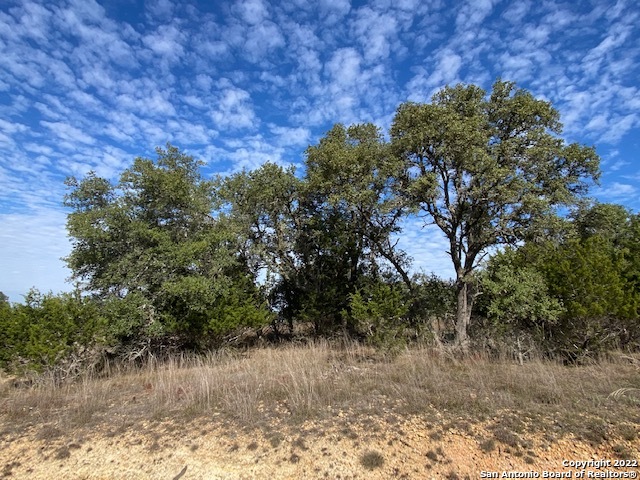
Rich, loamy soils typical of regions like Texas Hill Country encourage more diverse vegetation, offering ideal conditions for game species to flourish. By contrast, arid zones in West Texas might require additional investment in irrigation or land improvement to maintain sustainable wildlife populations.
Beyond soil and vegetation, assessing habitat infrastructure is equally vital. The presence of natural water sources such as ponds, creeks, or springs is often a game changer. Water attracts wildlife and helps create an ecosystem capable of supporting various species year-round. That’s why properties with reliable water access stand out—whether you’re managing whitetail deer, exotics, or quail.
Equally important is checking for power availability and good-quality internal road networks. Power facilitates everything from maintaining electric fences to supporting residential needs if you plan on living or hosting guests on-site. Roads improve accessibility, enabling easier property traversal for both recreational use and necessary management tasks.
- Natural water features encourage diverse ecosystems, improving hunting prospects and land value.
- Power access supports operational needs and comforts onsite.
- Well-maintained roads enhance practicality whether driving ATVs, trucks or moving livestock.
It’s crucial to understand that these features don’t just affect your immediate experience—they also influence long-term maintenance costs and resale value. A ranch with rich soil, abundant water, and solid infrastructure provides flexibility: you can incorporate agricultural activities alongside hunting, diversify income streams, or simply enjoy a self-sustaining haven that requires less external input.
Before committing to a purchase, take time to explore the property yourself during different seasons if possible. Observe how vegetation changes with weather fluctuations and how water sources hold up during dry periods. Inquire about existing water rights and legal access points. Confirm the condition and extent of any utility services and assess road durability after rains.
Whether you’re eyeing the stunning oak stands of Nockenut Woods near Devine or the secluded 82-acre ranch south of Jourdanton we feature at Mike and Cody’s Texas Ranch Sales, understanding these factors empowers you to make strategic decisions.
Our deep knowledge of Texas ranches across regions helps clients focus on properties where these key attributes align with their goals—be it hunting excellence, cattle raising, investment potential, or peaceful retreat.
Having examined the physical essentials that shape a high fence ranch’s appeal, it’s natural to consider how these features translate into recreational enjoyment and financial benefits—areas that merit closer attention as your journey continues.
Investment and Recreational Use
High fence ranches hold a unique appeal because they blend financial opportunity with lifestyle enrichment. These properties aren’t just plots of land — they’re venues for outdoor pursuits that many Texas ranch owners treasure. From hunting guided by sustainable wildlife management, to bird watching amidst oaks and native brush, or casting lines into private ponds stocked for fishing, these activities transform the land into a living asset that provides value far beyond acreage alone.
The recreational aspect isn’t just about leisure—it actively enhances the ranch’s marketability and long-term worth. According to data from Texas Parks and Wildlife, ranches offering quality outdoor recreation can see their resale value rise by as much as 25%. This is significant when you consider the cyclical nature of real estate markets across Texas regions such as South Texas and the Hill Country. When buyers seek more than just land, but also an experience, properties with these features naturally command a premium.
Financially, ranches designed for both investment and recreation tend to deliver annual returns between 5% and 10%, depending on factors such as location, management quality, and infrastructure improvements like water systems or game-proof fencing. This blend of passive income potential with active use draws a specific kind of buyer who values balance—a place where business and pleasure meet.
From our experience at Mike and Cody’s Texas Ranch Sales, clients often tell us that owning a high fence ranch means getting their “weekend escape” while building equity. They may start as hunters or anglers but soon find joy in conservation efforts or hosting friends and family on sprawling grounds under vast Texas skies. This emotional connection fuels both enjoyment and value.
When evaluating properties, consider how well the land supports your intended recreational activities alongside its investment promise. Look for features like established trails, water sources for wildlife, quality fencing, habitat diversity, and permitted hunting seasons. These are not only critical to your day-to-day enjoyment but also key drivers of sustained property appreciation.
With an understanding of how investment blends with lifestyle on these ranches, it’s important to focus next on how to navigate choices and hone in on the property that fits your personal vision and needs perfectly.
Tips for Choosing the Right Ranch
When searching for your ideal high fence ranch, it’s essential to start by defining exactly what you want from the property. Are you primarily interested in a hunting retreat filled with native and exotic game? Or is conservation and habitat improvement more important? Perhaps breeding operations or a combination of uses appeal to you. This initial clarity shapes every other decision, from location to infrastructure.
Location is often one of the first—and most critical—considerations. A ranch that’s hundreds of miles away might seem attractive on paper but can quickly become cumbersome to visit regularly. Accessibility plays an equally important role: being close to major highways or airports cuts travel fatigue and costs.
For example, properties conveniently located near San Antonio benefit not only from well-maintained roads but also access to supplies, veterinary services, and emergency responders—a crucial factor many buyers overlook. This proximity doesn’t just facilitate visits; it impacts your ability to maintain and manage the ranch effectively over time.
Next comes the legal landscape. High fence ranches operate under specific regulations that vary across Texas counties and municipalities. Understanding these laws—including fencing requirements, hunting restrictions, and land use permits—is vital before making commitments.
It’s wise to consult local authorities or enlist a knowledgeable land management consultant who can guide you through compliance complexities and help avoid costly surprises down the road.
Equally important is assessing the ranch’s terrain and natural resources. Does the land provide suitable habitat for the species you wish to manage? Are water sources reliable year-round? What kind of vegetation supports game populations while allowing sustainable livestock grazing if that’s part of your plan?
Expectations must meet reality here because a beautiful acreage without adequate natural resources can limit your success or increase upkeep expenses significantly.
Another often overlooked aspect involves infrastructure beyond fences—think roads, barns, feeders, ponds, and housing. Established improvements reduce initial workload and cost, speeding your ability to enjoy the property fully.
Conversely, undeveloped lands offer flexibility but require patience, labor, and budget for development. Decide which fits your timeline and goals best.
In many cases, a balance between convenience, legal certainty, environmental suitability, and infrastructure readiness leads to the most rewarding ranch ownership experience.
| Factor | Key Questions to Ask | Impact on Decision |
|---|---|---|
| Primary Use | Hunting? Conservation? Breeding? | Defines management priorities |
| Location | Distance from home? Road quality? | Influences accessibility and maintenance |
| Legal Regulations | Fence laws? Hunting permits? | Ensures compliance and avoids penalties |
| Natural Resources | Water availability? Soil type? | Determines sustainability of wildlife/livestock |
| Infrastructure | Existing buildings/roads/ponds? | Affects readiness and cost |
Keeping these criteria front and center as you explore high fence ranch listings will steer you toward a property truly suited to your needs—whether it’s a serene hunting getaway or a shrewd investment opportunity.
To browse premier high fence ranch properties across Texas that meet these standards, visit Mike and Cody’s Texas Ranch Sales where expert guidance awaits at every step.
Choosing the right high fence ranch involves thoughtful consideration of purpose, location, legalities, resources, and infrastructure. With careful planning and trusted expertise, finding your perfect Texas ranch becomes an attainable goal.