


Finding the right hunting land in Texas can feel like searching for a needle in a haystack. With so many options spread across diverse landscapes, it’s easy to wonder where to start or what really makes a property worth your time and money. That’s why we’ve put together this guide—to help you cut through the noise and focus on what counts when looking for great hunting land. From expert advice to detailed listings, here’s everything you need to know to make smart choices and find a spot that fits your hunting goals perfectly.
Mike and Cody’s Texas Ranch Sales specialize in offering a wide selection of hunting land for sale across various regions of Texas, including South Texas, Hill Country, East Texas, and more. We provide expert guidance to help you find the ideal hunting ranch property that fits your needs, along with detailed listings that include acreage, wildlife information, and property features.
Top Hunting Properties Available
Texas offers an impressive range of hunting ranches that cater to a variety of interests, from white-tailed deer stalking to exotic game adventures. Take, for example, the Hill Country Triple Shot Ranch in southern Edwards County. With over 100 acres of rugged Hill Country terrain near Camp Wood, this property stands out not just for its size but for its wealth of wildlife. The diverse landscape provides natural cover and feeding areas, making it an ideal habitat for white-tailed deer and exotic species alike. This versatility appeals especially to hunters seeking both challenge and variety in their pursuits.
Moving to South Texas, the Double L Ranch in Duval County spans over 77 acres and boasts high-fenced boundaries. The fencing ensures controlled game populations, which is essential for recreational hunters who value quality and sustainability. The managed environment not only supports healthy herds but also protects game from outside pressures like predators or unregulated hunting. This means you can count on the Double L Ranch for consistent and rewarding hunting seasons.
Meanwhile, for those who prefer a balance between rural tranquility and urban accessibility, the Bexar County 6-Acre Ranch just outside San Antonio delivers exactly that. Having a compact hunting property near the city lets you enjoy quick weekend getaways without sacrificing proximity to amenities. It’s perfect for hunters who want to combine lifestyle convenience with outdoor recreation. Despite its smaller footprint, this ranch packs a surprising punch when it comes to wildlife activity.
East Texas adds yet another dimension with timberland properties rich in turkey, deer, and feral hogs. These lands are often mixed-use — combining hunting opportunities with strategic forestry investments. This dual purpose supports both ecological health and economic returns, appealing to buyers interested in long-term stewardship as well as immediate hunting experiences.
For anyone serious about finding their ideal piece of Texas hunting country, browsing listings like these on Mike and Cody’s Texas Ranch Sales is a smart starting point. You’ll find detailed information and expert insights from Mike and Cody’s team, who understand the nuances that make each ranch unique. Their experience ensures you can match your specific hunting goals with the right property features.
Selecting exceptional hunting land involves more than just acreage or location; it requires understanding how different features work together to create rewarding experiences season after season. As we explore further, factors such as terrain, water sources, and wildlife populations emerge as key elements shaping prime hunting properties.
Key Features of Prime Hunting Land
One of the most critical elements in selecting top-tier hunting land is the presence of reliable water sources. Whether it’s a winding natural creek, a tranquil pond, or even thoughtfully constructed water catchments, these features serve as magnets for wildlife. Animals need water daily, and properties that offer this essential resource tend to host more abundant and consistent game populations.
A creek running through a ranch doesn’t just provide hydration—it creates a vibrant ecosystem where deer, turkey, and other game thrive. This directly impacts your success on the hunt by encouraging longer stays and more predictable movement patterns of animals.
But water alone isn’t enough to call a property a hunting paradise. Habitat diversity plays an equally vital role and often works hand in hand with water availability. The best hunting lands feature varied terrain—patches of dense timber, open grasslands, thick brush, and rolling hills all woven together across the acreage.
This diversity creates multiple niches for different species to find food, shelter, and safe breeding grounds. For example, deer might bed down under heavy cover but move into adjoining fields for feeding at dawn or dusk. Birds like quail and turkey use a mix of young cedar thickets and open spaces for nesting and foraging.
The interplay of these habitat types not only draws diverse game but also gives hunters multiple strategic options depending on seasonal behaviors.
When evaluating potential hunting land, paying attention to accessibility is crucial. This means more than just having an entrance off a nearby road; it involves well-maintained paths or gravel drives that allow easy movement of vehicles—and equipment like ATVs or trailers—throughout the property year-round.
Reliable access is invaluable during hunting season when conditions can be wet or muddy and time-sensitive outings demand straightforward entry and exit routes.
Additionally, accessible roads streamline regular maintenance tasks such as feeding stations, habitat management, and trail clearing. Without good access, even the finest land can become frustrating to use effectively.
Alongside these features, consider how the topography supports not just game movement but also your comfort and safety as a hunter. Gentle slopes provide vantage points without requiring difficult climbs; secluded hollows offer quiet places for game to rest undisturbed; ridgelines can serve as natural funnels directing animal movement into predictable corridors.
Together with water and habitat variety, these elements shape an environment where wildlife feel secure but remain reachable for skilled hunters.
“Prime hunting land isn’t just about size or location—it’s a balanced ecosystem inviting both game and outdoorsmen alike.”
In regions like Texas, where Mike and Cody’s Texas Ranch Sales work extensively, these components come alive across diverse landscapes—from Hill Country ranches boasting limestone cliffs paired with springs to South Texas properties blending brush country with seasonal ponds.
Understanding these attributes lets you better visualize how your ideal hunting property should function well beyond just raw acreage numbers.
- Water Sources: Creeks, ponds, rain-fed tanks
- Habitat Diversity: Mix of woodlands, open meadows, dense brush
- Accessibility: Graveled roads or well-worn trails suitable for vehicles
- Terrain: Vantage points, bedding areas, travel corridors
Evaluating these criteria thoroughly will lead you closer to owning property that delivers not only in natural beauty but also consistent trophy quality game encounters—a true testament to expert real estate guidance combined with deep knowledge of wildlife behavior and land management practices.
With a clear grasp of what makes hunting land truly exceptional, knowing the legal landscape surrounding hunting rights becomes equally important as you prepare to make informed decisions about your investment.
Hunting Rights and Legalities
When you purchase hunting land, the transaction is about far more than just soil and fences—it’s about access to one of Texas’s most valued resources: wildlife. Understanding whether hunting rights are included with the property is critical. While it might seem straightforward, these rights don’t always come automatically with the land. Sometimes previous owners have leased hunting privileges to third parties, or there may be existing agreements with clubs or neighbors granting them hunting access. This can affect how, when, and where you hunt on your own property.
Before closing any deal, it’s essential to verify who holds the hunting rights and if those rights transfer fully to you upon purchase. The last thing you want is to buy a prime piece of ranch land only to discover restrictions that limit your ability to enjoy it as intended. Clear title searches and conversations with sellers about any existing leases or easements help avoid unexpected legal hurdles down the line.
One common oversight involves leases that span multiple years or seasonal hunting arrangements that bind the new owner until those contracts expire. Always dig into county records and consult with knowledgeable agents who understand such nuances—this due diligence protects your investment and ensures full enjoyment of your Texas property.
Understanding private rights leads naturally to another vital area: adhering to state and local regulations that govern how hunting occurs.
The Texas Parks and Wildlife Department (TPWD) sets comprehensive rules designed not only to sustain healthy wildlife populations but also to keep hunters and communities safe. These regulations cover everything from open seasons for various game species to bag limits, types of permissible weapons, licensing requirements, and safety zones around residences or public roads.
Compliance isn’t optional; it’s legally mandated. Ignorance of the law won’t shield you from penalties like fines or loss of hunting privileges. Fortunately, TPWD provides extensive resources online and through local offices, making it easier than ever for landowners to stay informed.
When negotiating a property purchase or planning your first hunt, make it a priority to consult with your real estate agent—preferably one who specializes in Texas ranches like Mike and Cody’s Texas Ranch Sales—and if needed, seek legal advice. They can help clarify which regulations apply directly to your property based on its location, size, and designated use.
Remember, state laws may also interact with federal rules or tribal agreements in some areas, adding further layers of complexity. Staying ahead means regular updates and ongoing education about conservation laws so you remain a responsible steward of your land and wildlife populations.
Finally, document all agreements related to hunting and keep organized records. Whether it’s a lease contract, a permit application, or written guidance from authorities, proper paperwork offers protection against disputes and reinforces your rights as a Texan landowner. This careful approach allows you to focus on what truly matters—the enjoyment of hunting on your very own slice of Texas country.
With a firm grasp on the rights and legal responsibilities tied to hunting land ownership, it’s important next to consider different ways to secure your access—whether through leasing arrangements or outright purchase options. This understanding will shape how you engage with Texas’ abundant outdoor opportunities.
Leases vs. Buying Options
If you’re hesitant to fully commit to purchasing hunting land, leasing offers a practical entry point into the world of Texas hunting properties. Leasing grants temporary access to quality hunting grounds without the significant upfront investment that buying requires. For many, it serves as a test drive—a chance to experience the terrain, wildlife, and community before deciding if long-term ownership makes sense.
One of the key benefits of leasing is flexibility. You can often find leases that include amenities such as cabins, maintained trails, and sometimes even equipment rentals, allowing you to jump right in without the hassle of upkeep or major responsibilities. However, leases are limited in duration—usually annual agreements or shorter—and come with restrictions on land use set by the owner. This arrangement appeals particularly to those who value convenience or are building their budget toward eventual ownership.
Moving from the benefits of leasing towards long-term investment brings us to why buying might be the better choice for many serious hunters and ranch enthusiasts.
Owning your own hunting land provides a level of control impossible to achieve through leasing. When you buy, you’re not just purchasing acres; you’re investing in a versatile asset that can grow in value while serving as your personal sanctuary for years to come. Ownership means making decisions about land management practices—whether it’s enhancing wildlife habitat, implementing fencing, or developing infrastructure—that align with your goals and values.
Beyond personal enjoyment, owning hunting land carries financial advantages that leasing lacks. You can generate potential rental income by leasing your property to others during off-seasons or for specific hunts, turning your land into an income-producing asset. Moreover, in Texas’ expansive ranch market, well-maintained properties have demonstrated appreciation over time, making them attractive additions to an investment portfolio.
It is important to recognize that buying a ranch involves more than just an upfront cost; ongoing responsibilities such as property taxes, maintenance, conservation efforts, and potential upgrades come with ownership. Yet these efforts directly contribute to preserving and enhancing the land’s value while supporting sustainable hunting conditions.
When weighing leases against purchases, consider your long-term plans for involvement with hunting and ranching activities. Are you looking for short-term enjoyment with minimal commitment? Leasing might be best. If you envision building legacy land for family visits and future generations, buying offers unmatched benefits despite its broader obligations.
| Aspect | Leasing | Buying |
|---|---|---|
| Upfront Costs | Lower; often only yearly lease fees | Higher; includes purchase price |
| Duration | Temporary (usually 1 year or less) | Permanent; ownership until sold |
| Control Over Land | Limited by lease terms | Full control over land management |
| Maintenance Responsibility | Usually minimal | Owner responsible for upkeep |
| Potential Income | None or very limited | Possible through renting or game leases |
| Investment Value | No equity built | Asset appreciates over time |
With clarity on leasing versus buying laid out in detail, it becomes easier to focus on what facilities and amenities can elevate a hunting property beyond mere acreage—essential considerations when assessing a prime investment in Texas hunting land.
Facilities and Amenities Offered
When searching for prime hunting land in Texas, the presence of well-designed facilities can make a significant difference in your overall experience. Imagine arriving at a property where a cozy cabin or lodge awaits, offering comfortable shelter after a long day tracking game. These accommodations provide not only a place to rest but also a base for planning your daily hunts, storing supplies, and even gathering with friends or family. Comfort here isn’t just luxury—it’s about creating an environment that enhances focus and energy for successful outings.
Beyond lodging, secure storage facilities play a key role in protecting valuable equipment like ATVs, firearms, and gear from the elements and theft. Having a dedicated space means you’re not scrambling each time you come or go; everything has its place. This organization adds to the ease of enjoying your time on the property rather than spending it on upkeep or worrying about your belongings.
Strategic advantage in hunting comes from thoughtfully placed blinds and stands across the land. Many premium properties include pre-built blinds that take the guesswork out of finding good positions. These blinds offer shelter and concealment, increasing your chances of successfully spotting and harvesting game.
Coupled with clearly marked trail systems weaving throughout the estate, these features allow hunters to navigate terrain efficiently without disturbing sensitive areas or wasting time.
Another amenity that serious hunters appreciate is a processing station equipped for field dressing and game handling. Processing stations simplify tasks like skinning, cleaning, and prepping game on-site, which is crucial if you plan to stay for multiple days or manage larger amounts of harvested animals.
Such facilities save trips back to town while maintaining food safety standards that protect the quality of your meat.
For those exploring options more concretely, many listings on Mike and Cody’s Texas Ranch Sales clearly detail the specific amenities available with each property. This level of transparency empowers buyers to select lands that not only fit their hunting goals but also align with their lifestyle preferences.
Ultimately, when you combine thoughtful lodging, storage solutions, tactical blinds, mapped trails, and onsite processing areas, you create a hunting property that works with you — not against you. These amenities don’t just add convenience; they elevate safety, efficiency, and enjoyment during every visit. Investing in land with such features lets you focus more time on what matters: connecting with nature and the hunt itself.
By understanding what facilities support your hunting ambitions best, you gear yourself toward making informed decisions about property investments and associated costs ahead.
Investment Potential and Costs
When evaluating hunting land as an investment, the upfront cost is just the beginning of a broader financial picture. In Texas, price per acre can vary widely—from about $1,500 in more remote regions to upwards of $4,000 for parcels near urban areas or with developed infrastructure. This range reflects not only location but also the quality of the land, available water sources, road access, and existing improvements like fencing or lodges. Knowing this helps you set realistic expectations about the initial capital required.
But purchase price alone doesn’t tell the whole story. The true value emerges through diverse income streams that good management and thoughtful development can generate. Leasing hunting rights during non-peak seasons is a popular way to create steady cash flow without selling property. This form of leasing offers flexibility; you retain ownership while others pay for seasonal recreational use, often yielding annual returns that can significantly offset holding costs like taxes and maintenance.
Timber sales represent another underappreciated revenue source on some ranches. Sustainable logging practices allow property owners to harvest selective trees without degrading the land’s long-term utility for hunting or livestock grazing. This requires careful planning and often collaboration with forestry professionals but can add substantial value over time—as much as thousands of dollars annually depending on acreage and timber quality.
Furthermore, commercial hunting enterprises have grown tremendously across Texas, where guided hunts paired with lodging services attract enthusiasts willing to pay premium prices. Developing these requires upfront investments in facilities and wildlife management but offer higher returns through diversified activities—guided hunts, trophy fees, and hospitality services. These ventures emphasize the importance of understanding both your land’s carrying capacity and market demand for specialized experiences.
| Investment Aspect | Potential Return |
|---|---|
| Leasing Hunting Rights | Annual revenue from leasing contracts (varies by acreage and lease terms) |
| Timber Sales | Income from sustainable logging (dependent on timber type and harvest frequency) |
| Commercial Hunting | Earnings from guided hunts and lodging (premium pricing potential with proper management) |
Balancing costs against these potential returns means looking beyond sticker price. Consider expenses such as ongoing maintenance, property taxes, insurance, and necessary improvements to maximize revenue. It’s wise to work with experts who understand Texas ranch markets—like Mike and Cody at Mike and Cody’s Texas Ranch Sales—who offer tailored insights that align your investment goals with realistic land management strategies.
Understanding all financial angles prepares you not only for purchasing prime hunting property but also for making choices that safeguard your investment long term. With a clear grasp of costs and revenue possibilities in hand, we move forward to explore practical advice that can guide your buying journey toward success.
Tips for a Successful Purchase
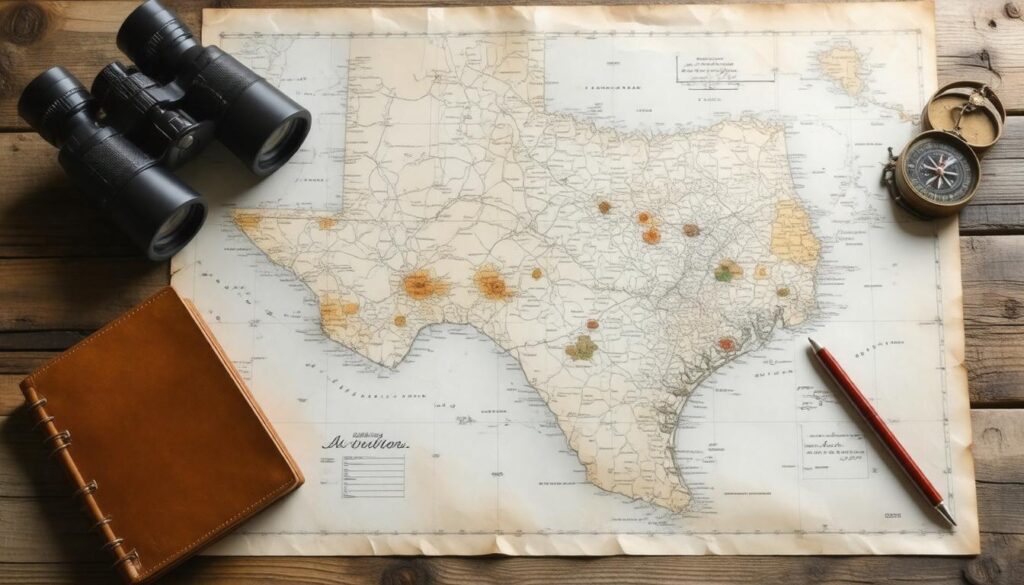 Buying hunting land in Texas is more than just signing on the dotted line—it’s about understanding the full scope of what you’re investing in to ensure it meets your needs today and in the future.
One of the most crucial steps is conducting thorough inspections of the property. Walking the entire acreage yourself gives you firsthand knowledge of terrain, access points, and existing structures. Make a habit of visiting during different seasons if possible; this lets you observe wildlife movement patterns, vegetation changes, and how water sources fluctuate throughout the year.
It’s one thing to see a picturesque ranch in spring, but quite another to understand its conditions during a dry summer or mild winter. This insight helps you gauge whether the property supports sustainable hunting activities and aligns with your goals.
Alongside personal inspections, leveraging local expertise forms a backbone for sound decision-making. Local realtors familiar with Texas ranches offer invaluable perspectives not easily found online. Their knowledge about land history, zoning restrictions, neighboring properties, and market trends can save you from unforeseen headaches later on.
Also, tapping into wildlife biologists’ advice helps you understand habitat quality and animal populations—critical aspects when evaluating hunting potential. Additionally, consulting legal advisors ensures there are no hidden liens, easements, or regulatory issues that could complicate ownership or usage down the line. These professionals create a safety net of information, making your purchase smarter and safer.
Financing options often become a stumbling block for prospective buyers unfamiliar with rural land deals, so exploring your choices early can smooth the transaction process. Texas offers several types of land loans tailored for agricultural or recreational properties, sometimes with favorable terms compared to traditional mortgages.
Certain conservation grants or programs may also provide financial incentives if your purchase includes plans for preserving natural habitats or improving wildlife environments. Being proactive about financing means you avoid surprises at closing and can confidently negotiate terms that fit your budget and objectives.
For personalized guidance navigating these steps—or if you want access to Texas’ best hunting properties—reach out to Mike and Cody’s Texas Ranch Sales. Their deep expertise in ranch markets across the state ensures you find not only an affordable property but one that brings years of satisfaction on every visit.
A successful hunting land purchase hinges on diligent inspection, informed consultation with experts, and savvy financial planning. Taking these seriously safeguards your investment and fuels the enjoyment you seek on your new Texas ranch.
With thoughtful preparation and trusted guidance, securing prime hunting land in Texas becomes a rewarding reality rather than just a dream.