
Looking for the perfect place to hunt in Texas can feel overwhelming—there’s so much land, so many options, and a lot to consider beyond just game. But when you find that private piece of acreage that fits your needs, it changes everything about your hunting experience. Mike and Cody’s Texas Ranch Sales understands this because they’ve helped countless hunters navigate the search with clear, detailed listings and insider knowledge. This guide breaks down what makes hunting land special in Texas and how to find one you’ll love.
Mike and Cody’s Texas Ranch Sales offers a diverse selection of prime hunting lands across Texas, including South Texas, Hill Country, and other regions known for exceptional game opportunities. Our expert team provides detailed property listings, professional videos, and personalized assistance to help you find the perfect hunting ranch that meets your needs.
Top Private Hunting Lands for Sale
When it comes to finding quality hunting land in Texas, privacy and abundance of game rank high on every hunter’s checklist. Private lands ensure you have unrestricted access and control over your hunting experience, creating a sanctuary away from overcrowded public grounds.
Whether you’re after whitetail deer, wild hogs, or upland birds, the right property brings together terrain, wildlife density, and accessibility—a powerful combination that defines a successful hunt.
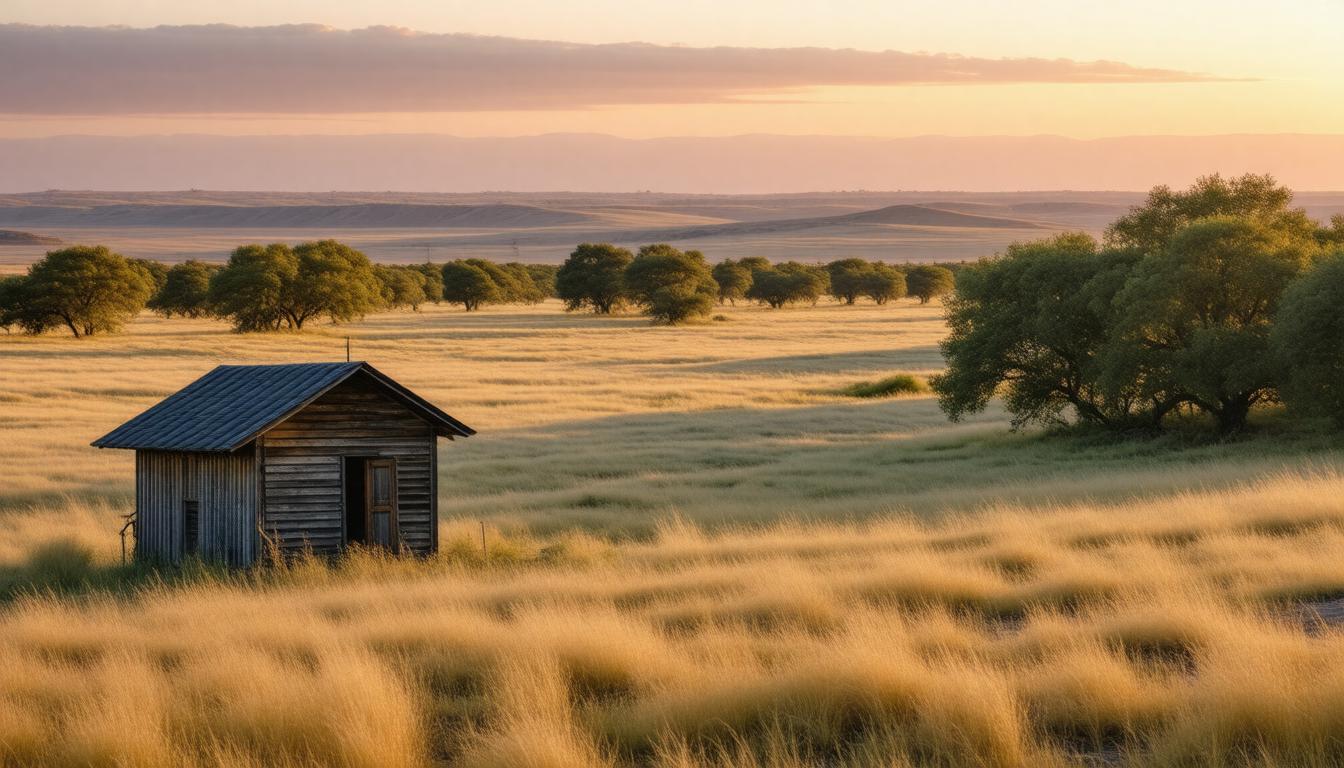
Consider South Texas’ sprawling ranches with their signature brush country—a mix of mesquite, persimmon, and native grasses. This environment fosters a natural cover attracting species like whitetail deer, Rio Grande turkey, quail, and axis deer.
Properties such as those in Duval County stand out because they balance seclusion with practical access roads and trails. This blend lets hunters navigate their grounds quietly while still tracking game effectively.
The varied terrain also adds tactical depth to your hunting strategy—whether you set up near water sources or use natural funnels for ambush.
Moving northward, the Texas Hill Country changes the game entirely with its rolling hills and limestone ridges.
Here, hunting land offers a different kind of allure: breathtaking views coupled with diverse wildlife including white-tailed deer, turkey, and even exotic game on some ranches.
The Boyd Ranch, for example, showcases how smaller acreage can provide rich habitat variety—wooded draws next to open fields give animals ample browsing spots and safe bedding areas. For many hunters, this mixture amplifies tracking challenges but pays off handsomely when game is spotted through the brush.
Private Hill Country properties often come with established blinds or custom-built rock homes that serve as comfortable bases after long days afield.
Then there’s East Texas with its dense pine and hardwood forests.
Unlike open plains or scattered brushlands, East Texas demands skillful navigation through thick timber where visibility is limited but animal presence is concentrated. Hogs thrive here alongside plentiful populations of waterfowl near wetland pockets.
Hunters looking for adventure often favor these woodlands because every outing tests their knowledge of animal behavior and terrain reading. The serene yet challenging setting rewards patience and fosters a deep connection with nature rarely found elsewhere.
Across these regions, one common thread defines effective hunting land: proactive land management. Investing in properties where owners actively maintain food plots, water wells, and habitat improvements translates into healthier wildlife populations and elevated hunting success rates.
Seasoned hunters understand that well-managed land isn’t just about what’s presently available but what’s sustainably cultivated for years ahead.
When searching for private hunting land in Texas, prioritize properties that combine size suitable to your needs with a mix of habitat types—open meadows interspersed by thick cover, reliable water sources, and easy but discreet access routes.
Confirming these factors through property tours or virtual video walkthroughs can be invaluable before making a commitment. And remember, tapping into local expertise—such as consulting with brokers specializing in Texas ranches like Mike and Cody’s Texas Ranch Sales—can open doors to lesser-known gems tailored to your preferences.
“It’s not just buying land; it’s investing in countless unforgettable hunts,” says Mike Carrasco from Mike and Cody’s Texas Ranch Sales.
State-of-the-Art Tools at Your Fingertips
In today’s market, leveraging technology streamlines your search significantly. Platforms offering advanced ranch search engines let you filter by acreage size, location, price range, and even specific game presence.
Enhanced listings include professional videos showcasing terrain details impossible to capture in photos alone—bringing the feel of the property directly to your screen.
With tools like these paired with expert guidance from ranch brokers who know Texas inside out—including areas like Hill Country’s Boyd Ranch or Duval County hunting grounds—you gain confidence that your purchase is smart and suited precisely to your outdoor lifestyle.
Ultimately, finding top private hunting land is a blend of art and science—it requires a clear vision combined with grounded knowledge about the land itself.
Your ideal ranch lies somewhere within Texas’ vast tapestry—from South Texas’ sun-soaked brush to East Texas’ dense woods—all beckoning you toward authentic hunting adventures unmatched elsewhere.
These crucial insights set the stage for understanding key steps necessary when moving forward to secure ownership of your perfect piece of Texas land.
Steps to Purchase Your Ideal Property
Purchasing hunting land isn’t just about finding a spot with abundant game; it requires a deliberate approach to make sure the land suits your lifestyle, budget, and long-term goals. Start by getting clear on your needs—how large of a tract do you want? Are you looking for varied terrain like rolling hills or dense brush? Do you focus primarily on deer, turkey, or exotic game? These questions help narrow down the options before diving into listings.
Once you’ve outlined your priorities, turn your attention to research. Platforms like MikeandCodysTexasRanchSales.com offer curated ranch listings across Texas’ diverse regions, complete with videos and detailed information. It’s important not just to browse but to dig deeper: read descriptions closely and explore available multimedia to gauge if the property matches your vision.
Budgeting must extend beyond the sticker price. Consider additional expenses such as property taxes, insurance, and upkeep costs that may include fencing repairs or habitat management. Investing in improvements like blinds or water sources can enhance both the value and your enjoyment of the land, so factor those into your financial plan right from the start.
Seeing land in person changes everything. Scheduling site visits allows you to experience the property firsthand—test drive access roads, inspect water availability, and look for signs of wildlife activity. Bring along a checklist to keep track of key features and concerns; this habit helps avoid overlooking details amid an emotional buying process.
The final piece is legal and financial due diligence. Rural land transactions involve unique complexities like mineral rights, easements, or water use agreements. Collaborating with a real estate professional specialized in Texas ranch sales ensures contracts are properly reviewed and all titles are clear. Likewise, enlisting an attorney familiar with state land laws protects your investment from hidden pitfalls.
When these steps come together—rigorous research, careful budgeting, thorough inspections, and sound legal advice—you’ll be positioned to move confidently toward owning hunting land that fits not only your outdoor ambitions but also your practical needs and future plans.
Applying this systematic process helps transform aspirations into tangible ownership in Texas’ rich hunting landscape. Understanding how to navigate these preparations will prove essential as we explore the regulatory frameworks shaping hunting practices in the state.
Texas Hunting Laws and Regulations
Understanding the legal framework around hunting in Texas is vital for prospective land buyers who want to enjoy their new property responsibly. The laws are designed not only to protect wildlife populations but also to ensure safety and fairness among hunters.
Licensing and Permits
In Texas, obtaining the proper licenses is the first critical step for any hunter. Everyone planning to hunt big game such as deer must have a standard hunting license issued by the Texas Parks & Wildlife Department (TPWD). However, it doesn’t stop there. Depending on the hunting method or season, additional endorsements or permits may be required.
For instance, bowhunters need a specific archery endorsement, especially during archery-only seasons, while turkey hunting sometimes requires its own permit. This layered system helps TPWD regulate harvest levels carefully. Without these, you could face penalties or jeopardize future access rights on your land.
It’s easy to underestimate how many regulations exist when hunting different species or using various methods. For example, if you’re drawn to exotic game ranches—common across Texas—you might encounter separate licensing rules tied to controlled hunts or exotic animal ownership.
Keeping documents current and understanding which combination applies to your intended activity isn’t a bureaucratic hassle but a direct way to preserve your hunting privileges and avoid fines.
Property-Specific Regulations
Beyond statewide laws, Texas distinguishes between public and private lands with some rules adjusted accordingly. Many ranch owners offer leases or private access agreements which themselves may include restrictions tailored to property ecology, game management goals, or safety concerns.
Moreover, TPWD updates regulations frequently; these updates may involve changes in bag limits, allowable weapons, season lengths, or transportation rules for harvested game.
Staying informed means regularly consulting TPWD’s official website or working with knowledgeable local experts—such as licensed realtors specializing in hunting properties like Mike and Cody’s Texas Ranch Sales.
They stay abreast of regulation shifts impacting the diverse Texas regions from Hill Country to South Texas brush country. Doing so allows you to adapt your hunting plans legally and ethically rather than reactively.
Safety and Ethical Hunting
Even as you follow licensing and property regulations, fundamental safety practices remain paramount. Wearing hunter orange during deer season is not just tradition; it’s a lifesaving visibility measure that reduces accidental shootings significantly.
Observing firearm safety protocols on your land—safe handling, knowing target and beyond—is equally important.
Ethical hunting extends beyond legality into stewardship: respecting bag limits safeguards animal populations for future generations. Avoiding wasteful kills, reporting harvests accurately to state authorities, and complying with fair chase principles enriches the experience far more than cutting corners ever will.
As one seasoned hunter wisely put it, “Good hunters leave more behind than they take.” This idea captures the essence of sustainable wildlife management embedded in Texas hunting culture.
Understanding these laws and ethical standards lays a solid foundation for appreciating the natural features of your prospective property and how they shape hunting opportunities in Texas.
Evaluating Terrain and Wildlife Habitat
When scouting for the ideal hunting acreage in Texas, understanding the terrain’s layout is pivotal. Flat expanses might seem inviting—they allow easy movement and straightforward tracking—but they don’t tell the whole story.
Hilly or rugged landscapes introduce complexity; they offer elevated vantage points that hunters prize for spotting game at a distance. Yet, it’s often the variety within a property—rolling hills, valleys, patches of flatland—that supports multiple hunting styles and maximizes your chances.
A diverse topography encourages wildlife to thrive by providing options for feeding, shelter, and escape routes. Animals adapt their movements based on these features, so a property with varied elevations and landforms offers a richer ecosystem.
Hilltops might serve as lookout posts for deer, while low-lying areas can be natural funnels where animals pass through. Recognizing these subtle patterns can give you critical insights beyond simply knowing whether the land is flat or hilly.
Water sources are another cornerstone in habitat evaluation. Streams, ponds, or seasonal waterholes are magnets for wildlife year-round—not just for hydration but also as social gathering spots.
Any acreage boasting dependable water access will naturally attract more game and support sustained populations. Even modest creeks matter when they run consistently during dry spells common in Texas summers.
Vegetation plays an equally vital role; it’s about striking the right balance between cover and open spaces. Dense thickets provide safety and bedding areas for species like white-tailed deer or wild hogs, offering refuge from predators and harsh weather.
Simultaneously, open fields or grassy clearings present clear shooting lanes and feeding grounds that encourage animals to settle nearby. Properties with a mosaic of thick brush, mature trees, and open patches create habitats rich in biodiversity.
One practical indicator of good cover is the presence of native plant species known to contribute meaningfully to local wildlife food chains—sage, mesquite, oaks for acorns, or native grasses.
Alongside this, considering seasonal changes is crucial; vegetation that provides winter browse ensures animals remain on your land year-round rather than migrating elsewhere.
Picture a ranch where cedar breaks offer thick concealment, adjacent to wide-open meadows dotted with perennial grasses near a small pond. This setting invites deer to move between safe sanctuaries and feeding sites fluidly throughout the day.
Likewise, turkey may benefit from wooded edges near fields that produce insects and seeds. A well-rounded habitat fosters diversity—not just higher numbers.
When evaluating acreage through Mike and Cody’s Texas Ranch Sales platform or during on-site visits, make note of how these elements interplay.
Ask yourself: Does this creek flow year-round? Are there signs of animal trails converging near water? How dense is the underbrush in winter?
Understanding these details enables you to tactically plan hunts around natural animal behavior rather than relying solely on luck.
As Mike Carrasco often points out: “Successful hunting isn’t just about skill; it’s about knowing the land like your closest ally.” Harnessing knowledge of terrain and habitat sets the foundation for consistent results.
Equipped with these insights about terrain and wildlife habitat, you’re better prepared to assess private lands across Texas—ranging from South Texas hunting ranches with thick brush cover to East Texas acres rich in mature timber—and find that perfect piece tailored to your style.
These considerations also highlight how owning your own hunting acreage can transform your outdoor experience into something deeply personal and strategic.
Advantages of Owning Hunting Acreage
One of the most compelling reasons to own your own hunting land is the luxury of personal and exclusive access. Imagine never needing to worry about crowded public hunting grounds or competing for the same spots as dozens of other hunters. When you own the land, you’re in complete control—you decide when to hunt, where to set up your stand, and how frequently to explore your property. This freedom transforms hunting from a stressful chase into a peaceful and fulfilling experience, allowing you to develop deeper familiarity with the land and its wildlife over time.
Beyond convenience, this exclusivity enhances safety and security for both hunters and their families. You can establish boundaries that respect neighbors while maintaining privacy. Over time, you cultivate a personal connection with the ecosystem on your property—an intimacy impossible to achieve in public spaces where access is open and shifting.
Moving from lifestyle advantages to financial ones, owning hunting land is also a smart investment.
Texas ranch and farmland values have historically shown steady appreciation, making knowledgeable land purchases attractive not just for recreation but for long-term wealth building. This trend continues today with rural properties increasing in value due to factors like limited availability, growing demand for outdoor lifestyles, and agricultural potential. Unlike volatile stocks or other assets, land provides a tangible resource—a piece of Texas soil whose worth tends to grow steadily year after year.
Additionally, certain parcels offer diversified income opportunities beyond hunting: leasing parts of your acreage for cattle grazing or farming crops can offset ownership costs or become standalone revenue streams. Thoughtful selection of property location—from South Texas brush country to Hill Country hills—can also influence this economic upside given regional differences in demand and use.
Perhaps even more rewarding than financial gains is the power you gain over habitat management.
When you own your hunting acreage, you wield one of the greatest tools available in wildlife stewardship: control over habitat enhancement. Instead of merely accepting what nature offers, you can proactively improve it by establishing food plots tailored to attract deer or game birds, conducting controlled burns that revitalize native grasses, or installing water sources that ensure animals thrive year-round.
These practices aren’t just about increasing game populations; they’re about sustaining healthy ecosystems that balance hunting opportunities with conservation goals. Implementing such management strategies requires knowledge but yields tangible results—whether it’s bigger bucks, more diverse species presence, or simply healthier soil and vegetation supporting all forms of life on your land.
The ability to experiment with these techniques means your property becomes a living laboratory, offering satisfaction beyond harvesting game. It deepens your role from hunter to caretaker. Plus, well-managed properties tend to hold or increase their value faster because prospective buyers appreciate quality habitat alongside good fences and water.
“Owning hunting land isn’t just about access; it’s about responsibility—and the freedom to nurture a place that reflects your values.”
From personal enjoyment and safety to solid investment value and environmental responsibility, owning hunting acreage offers interconnected advantages that enrich every aspect of outdoor life. This makes it a uniquely rewarding pursuit for anyone passionate about hunting or simply wanting a private refuge connected with Texas’ rich natural heritage.
Understanding these multifaceted benefits sets the stage for examining how market conditions are shaping prices and availability today. With evolving demand and shifting trends impacting land values across Texas, it’s essential to stay informed on where opportunities lie next.
Current Market Trends and Prices
The market for hunting land in Texas doesn’t stand still. It pulses with the rhythms of economic shifts, changing lifestyles, and outdoor recreation trends. Recently, there’s been a noticeable rising demand that reflects more people seeking private spaces where they can enjoy nature safely and sustainably. In fact, statistics confirm a 10% uptick in the desire for such properties. This surge is not just about hunting; it’s part of a broader movement toward sustainable living and reconnecting with the land.
As interest grows, it impacts availability and pricing differently across Texas. For instance, South Texas tends to offer larger tracts with dense brush and thriving game populations at around $3,500 per acre. The Hill Country, famed for its rolling vistas and diverse wildlife, commands higher prices near $5,000 per acre. Meanwhile, East Texas balances thick timberland with strong hog and deer populations at an average of $4,200 per acre. These regional differences arise from varied terrain, access, and the quality of habitat each area offers.
| Region | Average Price per Acre | Key Features |
|---|---|---|
| South Texas | $3,500 | Dense cover, rich game population |
| Hill Country | $5,000 | Scenic vistas, diverse game |
| East Texas | $4,200 | Thick timber, excellent for hogs and deer |
Why does this matter? Well, if you’re in the market for hunting land—or even considering investing in ranch property—the key is not just understanding current prices but also recognizing what makes each region unique. Terrain and game variety influence both your enjoyment and property value over time. A buyer who comprehends these nuances can identify opportunities others might overlook.
Looking ahead, the outlook remains positive but competitive. With recreational hunting remaining popular and trends favoring private land ownership for outdoor experiences growing stronger, properties won’t linger long on the market. Timing becomes crucial here—when a desirable tract appears in your preferred region at a fair price, acting swiftly often secures the best deal.
For anyone considering buying hunting acreage in Texas today, it’s wise to monitor market fluctuations closely. Utilize tools like advanced ranch search engines to keep track of new listings as they appear. Partnering with knowledgeable brokers—like Mike and Cody’s Texas Ranch Sales—can provide critical insights into when to strike based on real-time conditions.
“In this dynamic market, staying informed is half the battle—and having trusted expertise on your side makes all the difference.”
Armed with an understanding of market trends and pricing differences across Texas regions, buyers can now make strategic choices to find their ideal hunting land without costly surprises.
Informed decisions fueled by market knowledge and expert guidance are essential for securing prime hunting acreage at the right value. With careful timing and trusted support, your perfect slice of Texas wilderness awaits.