
If you’re thinking about buying hunting land in Texas, you probably want more than just open space—you want a place where deer and other game thrive, where the land feels like your own private retreat. Finding the right ranch can mean balancing good wildlife habitat, solid investment value, and manageable upkeep. That’s exactly what Mike and Cody’s Texas Ranch Sales specialize in—helping hunters and landowners connect with properties that check all those boxes. In this article, we’ll walk through top hunting regions, regulations you need to know, wildlife opportunities, investment insights, and practical tips so you can make smart choices on your Texas land purchase.
Mike and Cody’s Texas Ranch Sales specializes in hunting land for sale throughout Texas, offering a wide selection of properties including South Texas hunting ranches with native habitat, excellent game populations, and turnkey improvements. Contact us at (833) 697-2624 or buyatexasranch@gmail.com to explore current listings and receive personalized assistance in finding the perfect hunting land that fits your needs.
Best Regions for Hunting Land
When it comes to trophy whitetail hunting, South Texas stands out as an exceptional region due primarily to its dense brush and distinctive ecosystem.
The thick thorny brush in counties like Dimmit, Kleberg, and Webb creates a natural sanctuary for deer, offering both shelter and rich nutrition. This environment contributes to the impressive antler growth and health of the bucks in the area.
The combination of fertile soil and reliable water sources plays a major role in sustaining large deer herds, so properties here often feature well-established native browse that attracts and supports abundant wildlife.
For hunters seeking a deep connection to nature and the challenge of stalking big whitetails in their prime habitat, South Texas ranches represent a prime choice.
These lands are not only valued for their hunting potential but also for their enduring ecosystems that support a balanced mix of wildlife species.
Moreover, owning property in this region typically means managing thick brushland—something aspiring ranch owners should anticipate as both a maintenance responsibility and a benefit, since the cover helps preserve high game populations.
Such natural habitat management creates a rewarding experience for hunters who appreciate the dynamics of wildlife behavior and conservation firsthand.
Hill Country
Shifting northwest to the rolling landscapes of the Texas Hill Country, hunting takes on a slightly different character with terrain marked by limestone hills, oak trees, and open pastures.
Counties such as Kerr and Gillespie attract hunters because they combine high densities of white-tailed deer with many private, gated hunting properties.
These often come with high-fenced enclosures to help control population health and genetics, ensuring quality animals but still providing an exciting hunting challenge.
The terrain here demands smart strategy—skirts of trees and rocky outcrops serve as natural travel corridors for deer moving between feeding grounds.
The structured management style found at many Hill Country ranches is appealing to buyers looking for properties that balance traditional ranching with upscale recreational use.
Physical diversity across these properties means that hunters can enjoy varied stalking conditions—from wooded blinds to open grass fields—while still maintaining privacy and exclusivity.
Panhandle and West Texas
Though less lush than southern or central parts of Texas, the Panhandle and West Texas offer tremendous opportunities that shouldn’t be overlooked.
Areas like Shackelford and Throckmorton counties have robust game populations that include not only mule deer but also turkeys, quail, and other upland birds.
These regions appeal especially to those who value a rugged outdoor experience marked by wide open spaces and fewer distractions.
Hunters familiar with these counties know that while vegetation may be sparser, the hunting pressure is often lighter too—making it easier to find undisturbed land where wildlife thrives.
Many larger ranches here support multi-species hunting which adds variety for adventurous buyers who want more than just deer on their property.
Additionally, these lands often carry lower price points per acre compared to coastal or Hill Country regions, which can be attractive for those looking to maximize acreage investment without sacrificing quality hunting prospects.
Each area offers distinct terrain types, game populations, and lifestyle possibilities—and understanding these regional specifics is essential for anyone considering investing in Texas hunting land.
Whether it’s dense South Texas brush or wide-open West Texas plains, aligning property features with personal goals ensures a satisfying ownership experience.
The next step involves navigating the regulations that shape how hunting rights operate across these diverse lands. Appreciating this framework is key to making the most of your investment.
Texas Hunting Regulations
Hunting in Texas is not just about skill and patience; it’s also about respecting and abiding by state regulations designed to protect wildlife populations and ensure sustainable hunting for generations. One of the very first requirements is that every hunter must have a valid hunting license.
These licenses vary considerably depending on whether you are a resident or non-resident, the type of game targeted, and even the duration of the license. For instance, a resident license typically costs around $25, while a lifetime license can go up to $315. But it’s not just a one-size-fits-all document—certain types of game require additional endorsements. Migratory birds such as ducks and geese need a special endorsement, for example.
The Texas Parks and Wildlife Department (TPWD) handles all licensing, making it straightforward to obtain your permits either online or at authorized dealers.
Once you’ve secured your license, the next layer of regulation is season timing, which can greatly influence your hunting plans.
Hunting seasons in Texas are dictated by geography and species, meaning they can differ widely across regions. Deer season, often the most anticipated, generally opens in early November and lasts through early January. However, things get more intricate with extended or special youth seasons in certain counties, so staying up-to-date by consulting TPWD resources regularly is vital.
If you’re scouting properties with Mike and Cody’s Texas Ranch Sales, knowing these dates helps maximize your use of the land during prime hunting windows. Missing critical season starts or closures can not only mean lost opportunities but also potential legal trouble.
Season dates naturally lead us to another essential regulation: bag limits and tagging requirements.
Bag limits control how many animals you can legally harvest during a season. This isn’t just a random number tossed out; it’s carefully calculated to keep animal populations healthy. In Texas, deer tags come with your hunting license but each harvested deer must be tagged immediately after the kill.
This requirement prevents illegal overharvesting and makes enforcement efficient. Failing to properly tag an animal can result in fines or more severe legal consequences. Beyond deer, other game may have different tagging rules, so familiarizing yourself with these details before heading out on any ranch property keeps your hunt compliant and ethical.
As someone interested in buying or leasing quality hunting land like those featured by Mike and Cody—from the spacious Double H Ranch in Atascosa County to private parcels like Back 40 Ranch—knowing these regulations inside and out ensures your time on the land is both enjoyable and lawful.
It pays to regularly consult TPWD updates since laws evolve based on wildlife population surveys and legislative changes.
“Understanding and respecting hunting laws is not an obstacle but a foundation for sustainable hunting traditions.”
Beyond regulations themselves, adopting best practices aligned with these rules enhances both safety and conservation efforts on your Texas ranch, setting the stage for fruitful wildlife management strategies shortly to be examined.
Wildlife and Game Opportunities
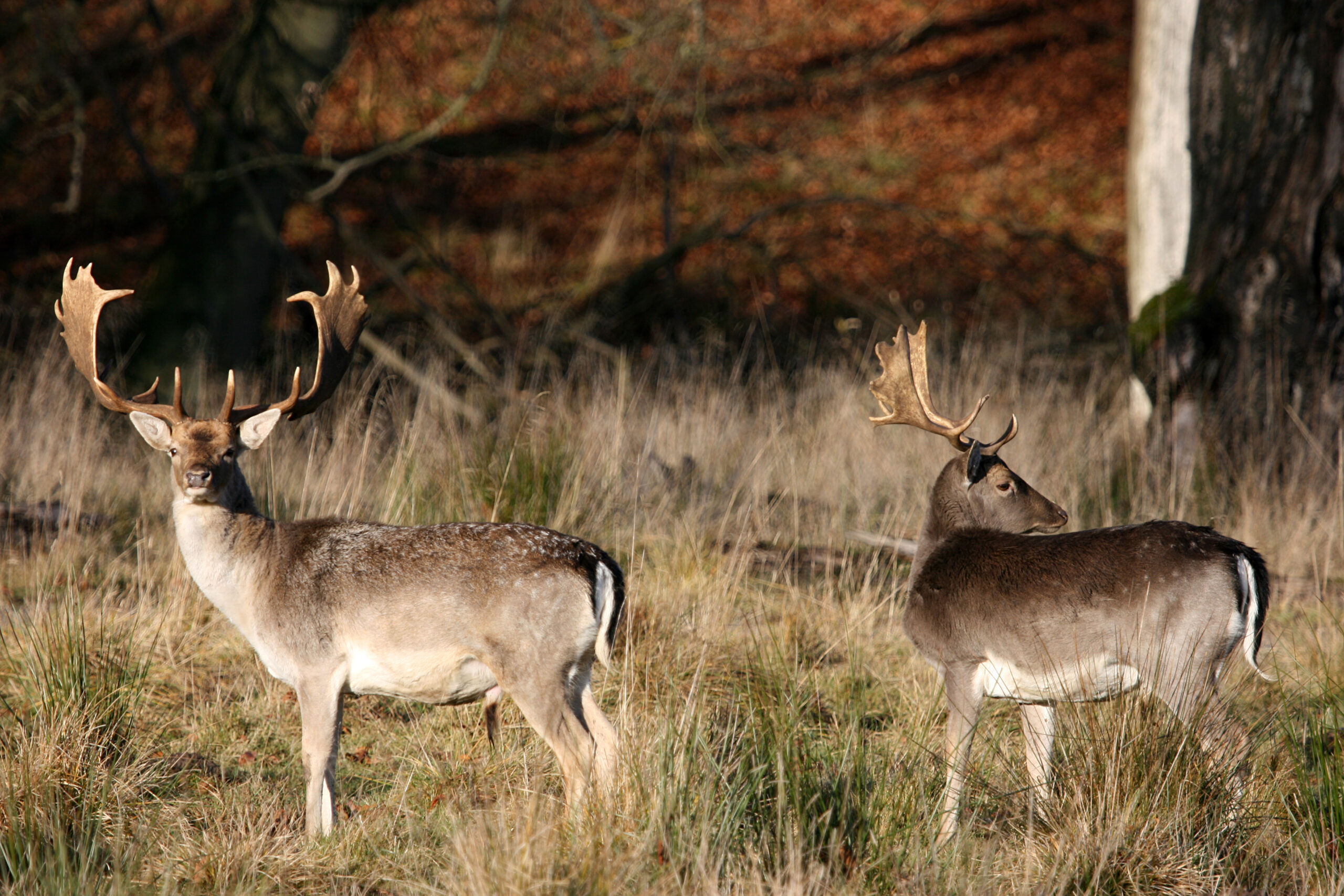
Texas is truly a hunter’s paradise, not just for its famed whitetail deer but also for the vast array of game species that roam its varied landscapes. With an estimated population of around four million, whitetail deer dominate the hunting scene, making Texas the unrivaled leader in deer numbers nationwide.
This abundance means you’ll find exceptional hunting opportunities nearly everywhere in the state—from dense South Texas brush to rolling Hill Country hills. But it’s important to realize that your hunting land may offer much more than just deer.
Venturing beyond native game, many ranches across Texas have introduced exotic species to diversify both the ecosystem and the hunting experience. These non-native animals, including Axis deer, Blackbuck antelope, and Aoudad sheep, bring unique challenges and exciting hunts. Exotic game often thrives under different habitat conditions while requiring distinct knowledge about their behaviors and patterns.
For hunters seeking variety or specialized trophies, properties featuring these species present compelling options unavailable on typical public lands.
When evaluating potential hunting properties, it’s worth carefully considering which mix of wildlife is most appealing. Are you primarily focused on whitetail management or interested in blending native and exotic game? Each approach demands different stewardship strategies.
For example, managing whitetail requires attention to habitat, food plots, and herd control, whereas sustaining exotics often involves fencing considerations and supplemental feeding regimes.
Equally important is recognizing the wealth of birds and small game that thrive across Texas ranches—species like turkey, quail, dove, rabbits, and squirrels offer varied hunting styles and seasonal pursuits.
- Turkey, with its unique spring gobbler hunts, demands patient calling skills and careful stalking.
- Quail providing fast-paced flush-and-shoot action that tests quick reflexes and fieldcraft.
- Dove hunts offering morning flurries ideal for groups looking for accessible upland bird experiences.
- Rabbits and squirrels requiring stealthy approaches and small-caliber firearms or archery equipment.
Hosting these smaller species creates dynamic year-round opportunities that complement big-game seasons. Plus, they help balance ecosystems by influencing predator-prey relationships and vegetation growth. Managing land for small game often includes maintaining native grasses, brush cover, and water sources—all factors that also benefit larger game.
Successfully managing a property to support such diversified wildlife means understanding how these animals interact within their habitats—and how human activity influences them. Hunting land investment decisions should therefore incorporate a holistic view:
- What mix of species aligns with your recreational goals?
- What habitats are present or can be improved?
- How will you balance conservation with harvest?
“The best ranches aren’t just places to hunt—it’s where wildlife flourishes through intentional stewardship, creating lasting memories with every season.”
At Mike and Cody’s Texas Ranch Sales, our expertise extends beyond just acreage—we understand the nuances of wildlife management tailored to each region in Texas. Whether you’re after a prime whitetail stand or excited by exotic species adventure paired with abundant small game action, we can guide you toward properties that fit your unique vision.
Before sealing a deal on any hunting land, ask key questions about existing wildlife populations, habitat quality, fencing status for exotics, water availability, and past management practices. Such due diligence ensures you invest in a tract primed for both enjoyment and sustainable hunting success.
Knowing what makes hunting acreage valuable naturally raises questions about its financial prospects. Exploring how these lands perform as investments adds another layer to your decision-making process.
Investment Potential of Hunting Acreage
Hunting land in Texas is more than just a weekend retreat; it represents a tangible asset with noteworthy investment potential. Land appreciation in Texas has remained strong, with values increasing roughly 5% per year over the last decade. For instance, if you bought land at around $2,000 per acre five years ago, today that same parcel could be valued closer to $2,500 per acre.
This steady growth reflects an enduring demand fueled by urban expansion, recreational interest, and agricultural value. Understanding this appreciation gives buyers confidence that their purchase may yield long-term financial rewards beyond just personal enjoyment.
Another important aspect of hunting acreage investment lies in leasing opportunities. Many landowners choose to lease their property for hunting purposes, generating consistent revenue without relinquishing ownership.
To illustrate, leasing a 500-acre tract at approximately $15 per acre during hunting season can bring in about $7,500 annually. This supplementary income often covers expenses like property taxes or maintenance costs.
The advantage here is clear — your land works for you even when you’re not actively using it. As one South Texas ranch owner shared, “Leasing my land for game hunting has covered my property taxes and given me an additional income,” hedging costs while maintaining full control of the property.
What solidifies the investment appeal further is the versatility some ranches offer through dual-use opportunities. Many properties combine traditional agriculture with managed wildlife habitats. Planting food plots for deer or other game encourages greater animal presence and healthier populations—improving both hunting quality and environmental sustainability.
Simultaneously, these practices can enhance soil health and crop productivity. By integrating livestock or crops with game management strategies, owners diversify land value potentials, balancing recreational enjoyment with economic output.
Dual-Use Synergy:
Combining agricultural use with wildlife management can create a healthy ecosystem and more profitable property through enhanced habitat value and diversified income streams.
Taken together, these factors establish hunting acreage as a unique asset class distinguished by both lifestyle benefits and financial upside. Investing in Texas ranchland means buying into a blend of natural heritage and economic opportunity—a choice that can serve multiple goals simultaneously.
When exploring properties through specialized experts like Mike and Cody’s Texas Ranch Sales, consider these investment dimensions carefully. Their deep regional knowledge helps match buyers not only with excellent hunting terrain but also parcels poised for strong appreciation, leasing potential, and multi-use flexibility.
This approach maximizes both enjoyment and return on investment—key considerations in acquiring your own slice of Texas ranchland.
Owning the right piece of land brings up complex questions about how to navigate the legal frameworks and tax implications involved. Understanding these factors will help protect your investment while optimizing its benefits.
Legal and Tax Considerations
Buying hunting land in Texas brings with it a complex set of legal and tax responsibilities that every prospective buyer should know before signing on the dotted line. Ignoring these can lead to unexpected expenses or restrictions that limit how you enjoy or manage your property. One of the most immediate concerns for any landowner is the property tax structure.
Property Taxes
Texas property taxes differ widely across counties, reflecting local valuations and tax rates. However, many buyers don’t realize they may qualify for agricultural exemptions that can significantly reduce their tax bills. These exemptions are available if the primary use of the land aligns with agriculture or wildlife management practices — which hunting ranches most often do. To benefit, owners need to demonstrate ongoing agricultural activity, such as livestock grazing, crop production, or managed wildlife habitats.
This means simply buying a ranch without actively maintaining its agricultural functions may disqualify you from these valuable exemptions. Applications typically require documentation and inspections, so staying proactive with county appraisal districts is important to ensure you receive all eligible savings.
Beyond taxes, legal use restrictions imposed by zoning laws directly affect what activities are allowed on your property.
Zoning Laws
Zoning regulations determine how land can be used and developed within specific areas, and they vary widely even within Texas’s rural counties. Some zones might restrict building structures, commercial operations, or even types of hunting permitted. Especially if you plan on developing cabins, establishing commercial hunts, or running other enterprises from your property, verifying compliance with local zoning ordinances is critical.
It’s wise to consult with a real estate attorney familiar with Texas rural land laws or work with knowledgeable brokers like Mike and Cody’s Texas Ranch Sales who understand these nuances deeply and can help clarify any constraints before buying. This foresight prevents surprises after purchase that could stall projects or result in penalties.
Another foundational consideration affecting your property’s long-term value is water rights — a topic many overlook until scarcity becomes severe.
Water Rights
In Texas, water law distinguishes between surface water (such as rivers and lakes) and groundwater (often accessed through wells). Surface water is publicly owned by the state, which regulates usage through permits. Groundwater ownership generally belongs to the landowner under the “rule of capture,” meaning you can use as much as you reasonably extract from beneath your land.
However, this rule isn’t absolute. Local groundwater conservation districts impose rules to manage resources sustainably. Understanding how these districts operate in your chosen area—and how current water rights are tied to the property—is crucial if you rely on water for livestock, irrigation, or wildlife habitats integral to your hunting operations.
Ignoring these aspects might lead not only to legal disputes but also jeopardize your ranch’s ecological balance and productivity.
Key action steps before purchasing hunting land related to legal and tax considerations include:
- Research county-specific property tax rates and eligibility criteria for agricultural exemptions.
- Verify local zoning classifications for allowable uses relevant to your plans.
- Investigate water rights status concerning both surface and groundwater availability.
- Seek advice from legal experts specializing in rural Texas properties.
- Consult statewide resources such as the Texas Real Estate Commission (TREC) for consumer protection guidelines.
Being diligent on these fronts ensures that when you invest in your slice of Texas hunting land, you’re doing so with a clear picture of ongoing obligations and opportunities—helping protect both your financial investment and the enjoyment of your new property for years to come.
Understanding the complexities around ownership prepares you to navigate the market wisely. Next, practical guidance will equip you with strategies tailored specifically for buyers aiming to secure prime Texas properties that meet their needs without surprises.
Buyer Tips for Texas Properties
Buying hunting land or ranch property in Texas isn’t just about finding a pretty spot with good deer populations; it’s a layered process that requires thoughtful consideration. One of the first tips we always share is to clearly define your purpose for the land. Are you looking primarily for recreational hunting, livestock grazing, investment potential, or maybe a mix of all? This clarity guides your decisions from location to allowable land uses and helps you avoid surprises later.
Once you know what you want, pay close attention to location-specific features. In Texas, regional differences are profound—from the brush country and coastal plains of South Texas to the rugged Hill Country and wide-open spaces of West Texas. Each has its own climate, vegetation, water availability, and wildlife management challenges. What works well in one region may not suit your needs in another. Our state-of-the-art search engine can help narrow down these specifics across regions like South Texas, Hill Country, Gulf Coast, and beyond.
Another vital consideration is infrastructure. Access roads, fences, water wells or tanks, electricity availability—these seemingly mundane details often dictate how enjoyable and practical your property will be. Ask yourself if you’ll need to invest in improvements and how much time or expense you’re willing to commit. For example, many excellent properties we represent—like the Double H Ranch or Back 40 Ranch—come turnkey with key improvements already in place, saving buyers both hassle and upfront costs.
It’s also smart to evaluate the wildlife habitat on the property. Understanding native vegetation types, quality of browse for deer and other game species, presence of water sources like ponds or creeks—all strongly influence hunting prospects. Our agents have deep experience assessing these factors firsthand and can provide guidance based on years working with ranchers and hunters across Texas.
Financing is another critical topic often overlooked by first-time buyers. Unlike typical home mortgages, rural land loans sometimes demand higher down payments or have different underwriting criteria. Working with lenders who specialize in ranch financing will offer better terms tailored specifically for hunting properties or agricultural use. We encourage clients to explore multiple lending options early—as small differences in rates or fees can add up quickly.
To truly ensure you’re making a solid investment, never skip a detailed property inspection. Soil condition affects grazing potential; water rights are crucial for sustainable land use; fencing quality impacts livestock security; even topography can affect land management plans. Hiring professionals such as surveyors or wildlife biologists to inspect these aspects pays dividends in avoiding costly issues down the line.
Finally, partnering with seasoned professionals—like our team at Mike and Cody’s Texas Ranch Sales—makes all the difference. We bring boots-on-the-ground knowledge combined with expert negotiation skills and full-service support throughout every stage: from initial research through closing and beyond.
“Owning a piece of Texas means committing to stewardship and enjoying this unique heritage responsibly.”
Whether you want that secluded sanctuary rich with whitetail deer or a productive ranch investment combining hunting and livestock grazing, following these buyer tips sets you on a path toward success—and lifelong enjoyment on your Texas land.
Navigating the purchase of Texas hunting land requires understanding both the natural landscape and market dynamics. With clear goals and trusted expertise, securing a prime property becomes an achievable part of claiming your own slice of the Lone Star State’s extraordinary outdoors.