

Looking for a ranch in South Texas means more than just buying land—it’s about finding a place where lifestyle, nature, and tradition come together. Whether you want a quiet spot for weekend escapes, working ranch land for cattle, or a hunting retreat, knowing what to look for makes all the difference. At Mike and Cody’s Texas Ranch Sales, we understand how personal this search is and have put together resources and expert guidance to help you find the perfect property that fits your needs and dreams.
Mike and Cody’s Texas Ranch Sales offers a wide selection of ranches for sale throughout South Texas, featuring properties that range from hunting and livestock ranches to investment opportunities. Our website provides an easy-to-use search engine to explore available ranches by region, and our experienced agents are ready to assist you in finding the perfect piece of Texas tailored to your needs.
 Touring the Best Ranches in South Texas
When you visit premier ranch properties like La Parita Creek Ranch, Triple Shot Ranch, or Rockin K Ranch, you’re stepping into a world where every detail matters. These tours aren’t mere walkthroughs—they’re immersive experiences designed to showcase not only the tangible assets but also the intangible allure of ranch life.
For example, at La Parita Creek Ranch, the emphasis stretches beyond lush pastures to include well-managed water sources and thoughtfully designed residential spaces that encourage both comfort and outdoor adventure. You see how fishing by a quiet creek or tracking game across fertile land seamlessly blends work with leisure.
From there, moving to properties such as Triple Shot Ranch introduces visitors to vast spaces with rich histories and breathtaking vistas—elements that add emotional depth to the investment as much as financial value. As you tour over 100 acres near Camp Wood, Edwards County, your senses take in panoramic views while historical markers remind you of Texas’s pioneer spirit. This combination invites buyers to feel connected to something larger than themselves, a factor often overlooked but vital when considering a property for both living and legacy.
Then you arrive at places like Rockin K Ranch in Jourdanton, where modern luxury embraces traditional ranching heritage. Touring here uncovers how comfort can coexist with rugged functionality. The expansive main house offers refined living spaces, while guest cottages and an equestrian center speak directly to those who value hospitality and active lifestyles centered on horses and outdoor gatherings.
This blend is a hallmark of top-tier South Texas ranches—they cater to diverse needs without sacrificing authenticity.
What makes these tours truly valuable is the chance to witness firsthand how these ranch properties handle day-to-day tasks and long-term sustainability. It’s easy to get caught up in pretty scenery or architectural details but understanding aspects like water management, wildlife stewardship, fencing, road access, and soil quality will shape your satisfaction down the line.
Insider Tips for Touring South Texas Ranches
When touring these luxury properties, take time to evaluate practical components alongside aesthetics. Check how well-maintained the roads are because accessibility often dictates year-round usability. Observe the condition of fences—are they strong enough for livestock containment but also crafted to endure local weather conditions?
Next, inquire about the water rights attached to the land, which are crucial for irrigation, livestock, and maintaining natural habitats.
Additionally, ask about wildlife populations and game management programs if hunting is part of your lifestyle or investment plan. South Texas ranches often feature intertwined ecosystems supporting native species like white-tailed deer or quail—understanding how these are managed impacts not just recreation but also conservation value.
The Deeper Connection: Experiencing Cowboy Culture
Beyond land features and infrastructure, touring these ranches introduces visitors to the soul of South Texas—a culture built on hard work, respect for nature, and community ties.
Sometimes guided by local ranchers or agents like Mike Carrasco and Cody Orr from Mike and Cody’s Texas Ranch Sales, these tours become opportunities to learn about traditions woven into everyday life here: cattle drives, seasonal planting cycles, hunting ethics, and hospitality customs that have endured generations.
“Owning a piece of Texas means more than holding dirt—it means embracing a way of life,” says Mike Carrasco. “Through our tours, we want buyers not just to see land but to feel it.”
Immersing yourself in these experiences deepens your appreciation for what owning such property entails—not just as an investment but as a lifestyle steeped in connection to nature and heritage.
As you consider this rich terrain and culture, it becomes clear how closely land ties into identity here—and sets the stage for exploring life lived fully on Texas soil.
Embracing the Cowboy Lifestyle
The daily rhythm of ranch life in South Texas carries a distinct pattern shaped by necessity and heritage. Long before dawn breaks, ranchers are already out tending to cattle, checking fences, or inspecting water sources—tasks essential to keeping the ranch running smoothly. It’s a demanding schedule where no two days are exactly alike, requiring both physical stamina and an intimate understanding of the land and livestock.
In many ways, managing a ranch resembles running a small, self-sustaining community: every animal cared for, every acre maintained contributes to the overall health of the enterprise.
Beyond these daily responsibilities lies a unique social fabric woven through local gatherings that celebrate the cowboy way. Rodeos bring excitement and friendly competition, while barn dances echo traditions passed down through generations.
Communal barbecues offer time to unwind and forge connections with neighbors, fostering a sense of belonging that is as vital as any machinery or livestock on the property. Such events are more than entertainment—they are entry points into a tight-knit community where shared experiences form lifelong bonds.
This connection to land and people intertwines seamlessly with the diverse natural environment of South Texas itself, where wide-open spaces meet rolling brush and varied wildlife. Living here means waking up to sights of deer grazing nearby or spotting distant flocks of wild turkeys against an expansive skyline.
The landscape offers endless opportunities for outdoor activities—from birdwatching and hunting to simply breathing in the calm solitude that only rural Texas can provide.
Embodying the cowboy lifestyle also means adapting to constant change—from weather patterns that dictate planting and grazing schedules to market shifts influencing ranch operations. It demands resilience and flexibility but rewards those who embrace it with a profound sense of purpose and freedom.
The lifestyle encourages learning from the land, respecting its cycles, and cultivating patience—qualities that define not just successful ranchers but those who truly appreciate this slice of Texas heritage.
For prospective ranch buyers exploring South Texas properties through Mike and Cody’s Texas Ranch Sales, embracing this lifestyle starts with understanding these rhythms and values.
Engaging with local communities early—attending regional events or visiting working ranches—can illuminate what daily life feels like beyond brochures and listings. This prepares newcomers to not only invest financially but also become part of an enduring legacy rooted in stewardship, community, and tradition.
Living the cowboy way isn’t for everyone, but for those drawn to it, South Texas presents an extraordinary chance to live close to nature while stepping into a culture defined by hard work, hospitality, and heart. Exploring this unique lifestyle naturally leads us next into understanding the rich terrain and abundant wildlife that make these lands so special.
Diverse Terrain and Wildlife
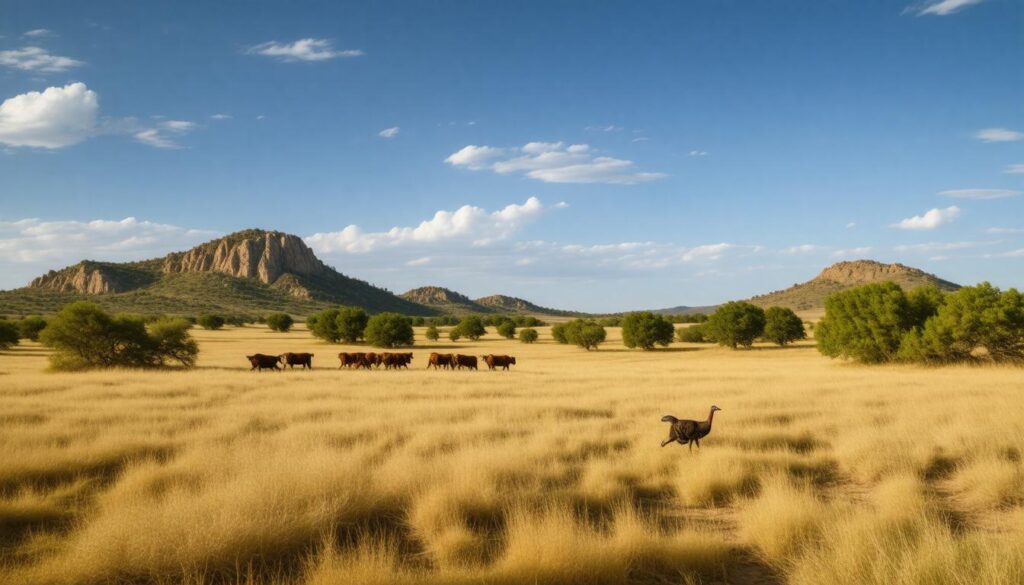 South Texas ranches are distinguished by their eclectic mix of terrain types, each weaving its own story into the land’s character. The Hill Country, with its iconic rolling hills and natural springs, offers more than just scenic beauty—it’s a habitat bustling with white-tailed deer and wild turkeys, inviting both hunters and nature watchers alike. These gently rising landscapes create ideal conditions for grazing livestock while providing shelter and corridors for wildlife.
Moving across to the vast grasslands, you’ll find open fields that seem to stretch endlessly under the Texas sky. Here, traditional ranching thrives alongside a surprising array of animals: bison roam the pastures in some protected areas, echoing the land’s rich heritage, while quick-footed jackrabbits dart through sagebrush and tall grasses. The open terrain allows ranch owners to engage in ranching operations or simply enjoy wide vistas that embody the spirit of freedom associated with Texas ranch life.
Then there are the wetlands—marshes and river bottoms that bring a completely different vibe to ranch properties. These watery expanses support a range of birds including ducks that attract avid waterfowl hunters. The presence of alligators here underscores both the wildness and ecological importance of these environments. Managing a property with wetlands demands respect for conservation efforts balanced with recreational use or cattle grazing where feasible.
Woodlands add further depth to South Texas’s terrain diversity. Dense forests thick with native oaks and mesquite invite elusive wildlife such as coyotes and bobcats into their shaded domains. These woodlands are critical for supporting biodiversity while offering opportunities for those passionate about game management or enjoying quiet hunting experiences away from more populated parts of ranchland.
Understanding this mosaic of terrains is essential not just for appreciating the land but also for managing it effectively—each setting calls for tailored strategies in livestock care, wildlife conservation, and recreational planning.
| Terrain Type | Key Features | Typical Wildlife | Ranch Management Considerations |
|---|---|---|---|
| Hill Country | Rolling hills, natural springs | White-tailed deer, wild turkey | Erosion control; water access points; selective grazing |
| Grasslands | Open fields, expansive pastures | Bison (in select areas), jackrabbits | Rotational grazing; fire management; predator control |
| Wetlands | Marshes, rivers | Ducks, alligators | Wetland preservation; regulated hunting seasons |
| Woodlands | Dense forest cover | Coyotes, bobcats | Habitat enhancement; invasive species management |
For buyers eyeing a South Texas ranch at Mike and Cody’s Texas Ranch Sales, grasping this terrain-wildlife dynamic is crucial. Selecting a property means matching your lifestyle goals—whether cattle ranching, hunting, or conservation—with the environment best suited for those pursuits. For example, a wildlife enthusiast might favor a mixed woodland-riparian property rich in biodiversity, while a livestock producer may prefer rolling Hill Country pastures offering consistent forage.
When exploring listings like our featured 82-acre acreage in Karnes County or the sprawling Triple Shot Ranch near Camp Wood, take note of how their terrain types affect both daily operations and recreational potential. Our team combines on-the-ground knowledge with personalized service to help you find an ideal match within South Texas’ varied landscape.
This appreciation for the land’s diverse terrain naturally leads into exploring how these spaces come alive with activity—whether through work or play—on your very own ranch.
Popular Ranch Activities
 Owning a ranch in South Texas opens the door to a world of rewarding activities that blend work, recreation, and tradition. Hunting, for example, transcends mere sport here; it’s deeply woven into the fabric of ranch life. The abundance of white-tailed deer, quail, and feral hogs makes South Texas a hotspot for hunters seeking both challenge and stewardship.
But it’s not only about the hunt—it’s about understanding wildlife patterns, respecting regulations, and managing habitats responsibly to sustain game populations year after year.
Fishing, too, offers its own quiet charm. Many ranches feature well-maintained ponds and natural creeks where bass and catfish thrive.
For those who appreciate patient mornings by the water, fishing becomes more than catching dinner—it’s an invitation to slow down and connect with the environment on a different pace.
Stocking ponds ethically and monitoring water quality adds another layer of responsibility but ensures these aquatic resources remain vibrant for generations.
As much as hunting and fishing engage with the wild elements of the ranch, equestrian pursuits bring owners even closer to shaping the daily rhythm on horseback.
Equestrian Pursuits
Horseback riding is not just a pastime but a way of life on many South Texas ranches. Whether gliding along shaded trails or practicing roping skills in arenas, managing horses requires dedication and knowledge.
Trail riding is a favorite for exercise and exploration—riders learn to read terrain, respect sensitive areas, and maintain trails so they don’t degrade over time.
- Trail Riding: Navigating diverse landscapes while building horsemanship skills
- Rodeo Practice: Sharpening rodeo techniques such as roping and barrel racing on private or community arenas
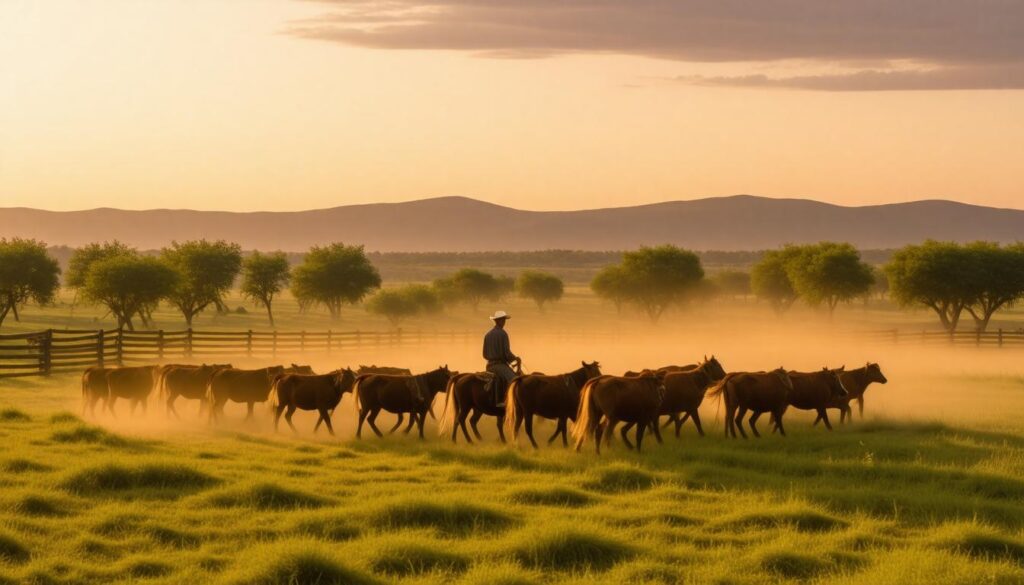
- Cattle Drives: Combining ranch work with traditional skills that uphold ranching heritage
Each activity demands not only physical skill but also attentiveness to animal welfare and land health. Proper training facilities support safe handling which benefits both horse and rider over the long term.
Meanwhile, cattle drives connect owners directly to ranch management challenges—moving livestock across miles of varied terrain teaches adaptability and respect for natural resources.
While enjoying these diverse pursuits amid South Texas’ vast landscapes, cultivating sustainable ranching practices serves as a crucial underpinning for all activity.
Committing to sustainability ensures that these rich traditions can endure without exhausting soil fertility or disrupting delicate ecosystems.
This means carefully planning grazing schedules, protecting waterways from erosion during cattle drives, maintaining habitat diversity for wildlife, and using resources thoughtfully across hunting grounds, fishing spots, and horse trails alike.
“Sustainability isn’t just good stewardship—it’s ensuring your ranch remains vibrant and productive long into the future.”
Popular ranch activities in South Texas aren’t isolated forms of entertainment but interwoven aspects of a responsible lifestyle rooted in respect—for the land, the animals, and the history that shaped these remarkable properties. Embracing this perspective enriches every ride, hunt, or cast of a line on your own piece of Texas.
Understanding how these traditions intertwine with environmental care naturally leads us to examine methods that enhance productivity while preserving the land’s health for generations ahead.
Sustainable Ranching Practices
Modern ranching is no longer just about maximizing production; it’s about ensuring that the land remains healthy and productive far into the future. This means adopting methods that balance use with preservation—practices that protect natural resources without sacrificing profitability. In South Texas, where climate variability and water scarcity are ongoing challenges, sustainability isn’t just a buzzword—it’s a necessity.
Water Conservation
Water is the lifeblood of any ranch, especially in South Texas where droughts can drastically impact daily operations. Implementing rainwater harvesting systems captures what nature provides seasonally, storing it for dry spells when every drop counts. Maintaining natural water sources like ponds and springs by preventing erosion and excess runoff also supports wildlife and livestock alike. Using technology like solar-powered pumps taps groundwater sustainably without the heavy energy costs or environmental damage associated with conventional methods.
These systems not only ensure a reliable water supply but also demonstrate a commitment to stewardship—a quality discerning buyers often prioritize.
When evaluating a property, inspect its water infrastructure carefully. Look for signs of recent upgrades or maintenance in pumping systems and water catchment areas. Sustainable ranches will often have multiple water access points spread strategically across grazing zones to reduce stress on any single source.
Soil Management
Healthy soil is the foundation of any thriving ranch. Overgrazing without allowing land to rest drains nutrients and compacts earth, leading to erosion and loss of forage productivity. That’s why rotational grazing—moving livestock between pastures on a schedule—has become a cornerstone practice to keep soils robust while providing fresh growth for animals.
Pairing this with cover cropping, where specific plants are grown between grazing cycles to replenish nutrients and improve soil structure, encourages biodiversity both above and below ground.
These practices don’t just prevent soil depletion; they actively restore it, improving water retention and increasing resilience against harsh weather conditions. For a buyer, understanding this soil health approach signals that the ranch can sustain quality livestock operations over time rather than degrade into barren ground requiring costly rehabilitation.
Renewable Energy
Incorporating renewable energy technologies like solar panels and small-scale wind turbines into ranch operations increasingly appeals to progressive owners focused on reducing their carbon footprint.
Not only do these free up money spent on fossil fuels, but they also offer energy independence—especially valuable in remote areas where power outages could disrupt daily tasks.
For example, solar-powered electric fencing systems are becoming more popular as they combine reliability with environmental responsibility. Additionally, solar arrays can provide energy to water pumps or lighting without adding noise or pollution.
This integration of clean energy solutions aligns well with sustainable management goals and may even qualify for tax incentives or grants designed to promote green practices.
Understanding how sustainability plays a key role equips buyers to identify properties that align with their values and operational goals. With these considerations in mind, navigating the purchasing process becomes more purposeful as we move forward into practical steps for acquiring your ideal South Texas ranch.
Buying Your South Texas Ranch
Purchasing a ranch is not just a financial transaction—it’s a long-term commitment that blends lifestyle, investment, and stewardship of land. Before you dive in, it’s crucial to carefully consider what you want from your ranch. Are you seeking a tranquil retreat for weekend getaways? Or perhaps you need working land for cattle or hunting? Pinpointing these priorities will shape everything from location to size and amenities.
Once your vision is clear, it naturally leads to setting a realistic budget that accounts for more than just the purchase price.
Many buyers underestimate the true cost of ranch ownership. Beyond the initial price tag, there are expenses such as property taxes, fencing upkeep, water rights, equipment, and land management. It’s wise to factor these ongoing costs into your budget to avoid surprises down the road. Consider thinking of your ranch purchase holistically—as an asset requiring regular care and occasional improvements.
Knowing what you can comfortably invest sets the stage for successful collaboration with local experts who make all the difference in navigating this unique market.
Engaging a reputable agent deeply familiar with South Texas ranches is essential. At Mike and Cody’s Texas Ranch Sales, we bring years of experience working with diverse properties throughout the region—from sprawling 100-acre holdings in Edwards County to cozy parcels near San Antonio. Our local expertise translates into sharper insights on market trends, property potential, and negotiation strategies tailored specifically for ranch real estate in Texas.
Partnering with agents like Mike Carrasco and Cody Orr means having guides who understand not only the landscape but also your personal goals. They ensure transparency through all steps, provide detailed market analyses, and leverage cutting-edge marketing tools—such as professional video tours—to find the perfect match faster.
As one client put it: “Their expertise made the buying process seamless. Mike and Cody walked me through everything patiently and helped me find a property that exceeded my expectations.”
Completing your purchase opens a new chapter of ranch living—one filled with rewarding challenges and the unique joy of owning a piece of South Texas heritage.
Explore personalized guidance and exclusive listings like Karnes County’s Eagle Ford Shale acreage or the Triple Shot Ranch near Camp Wood by visiting Mike and Cody’s Texas Ranch Sales. Their team stands ready to help you take that first confident step into ranch ownership.
Investing in a South Texas ranch is more than acquiring land—it’s embracing a lifestyle rich in tradition and opportunity. With expert guidance and clear planning, your dream of owning a piece of Texas can become an achievable reality.