

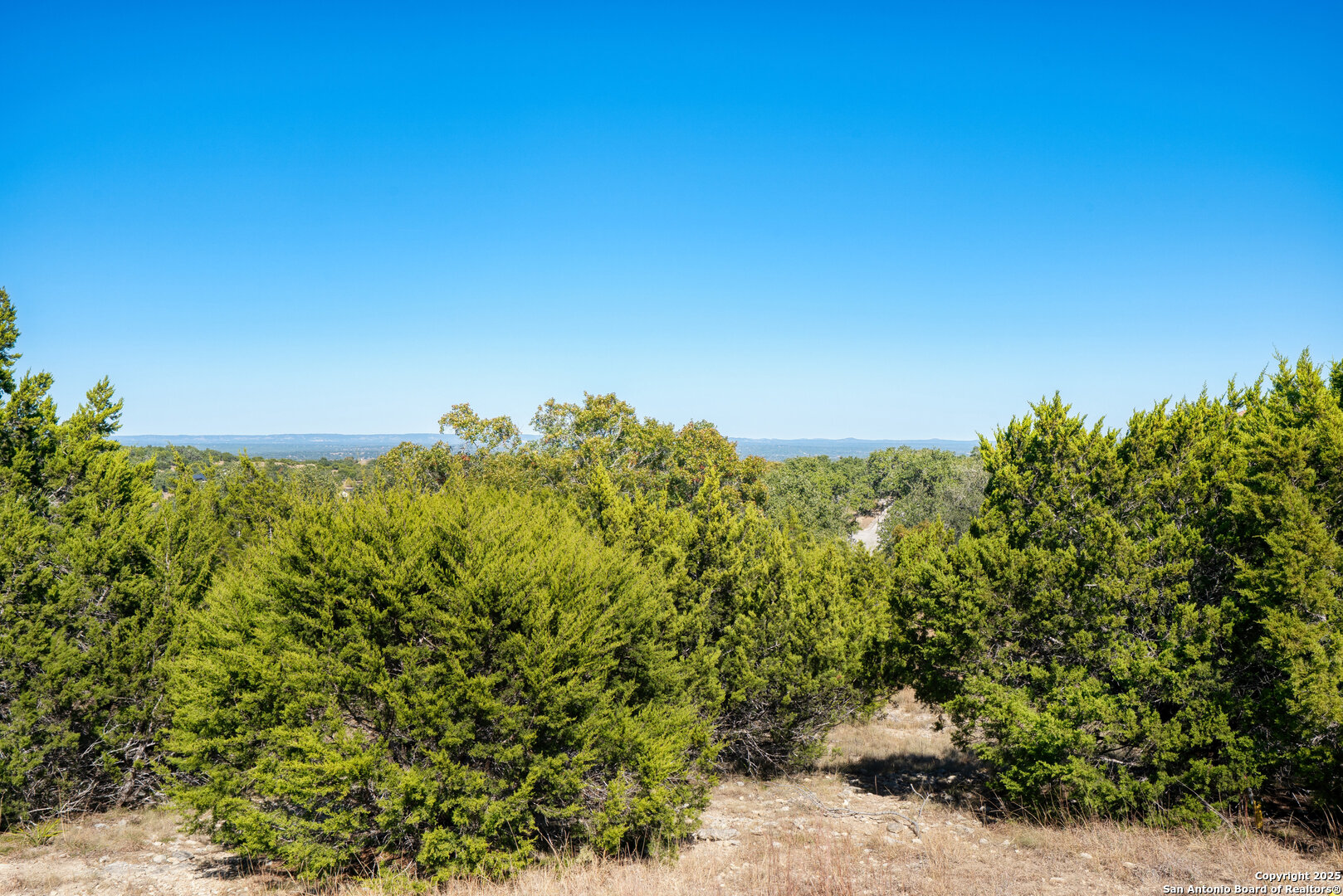
Looking for ranch land in South Texas? Whether you dream of wide-open spaces, a place to hunt, a working cattle operation, or a luxury home surrounded by nature, this region offers plenty of options to explore. We’ve gathered key info about South Texas ranches—from what makes the land unique to how you can find exactly the right property with expert help. Let’s dive into what owning ranch land here really means and why it might just be your next big adventure.
Mike and Cody’s Texas Ranch Sales offers an extensive selection of ranches for sale throughout South Texas, featuring properties with diverse terrain such as oaks and waterline access, secluded acreage near highways, and ideal hunting or livestock operations. Our expert team provides personalized assistance to help you find the perfect South Texas ranch that fits your needs and investment goals.
Overview of South Texas Ranches
South Texas ranches are expansive properties that harmonize the rugged charm of open land with touches of luxury living. These ranches often span hundreds or even thousands of acres, offering owners not just a place to live but a broad canvas for agricultural pursuits, wildlife management, hunting, or simply enjoying nature’s tranquility. The diversity of uses draws a wide spectrum of buyers—from serious ranchers and hunters to investors seeking unique real estate opportunities.
The landscape itself plays a crucial role in defining the experience. South Texas terrain typically features rolling hills, signature oak trees scattered across mesquite flats, brush country, and meandering creeks or waterlines. This environment creates a rich ecosystem supporting native wildlife such as white-tailed deer, quail, turkey, and exotic game species that thrive in these conditions. For buyers interested in hunting ranches, this blend presents invaluable opportunities for both recreational and commercial ventures.
In addition to outdoor advantages, many South Texas ranches boast quality improvements—homes, barns, stock tanks, and sometimes premium fencing—bringing sophistication often unexpected in rural settings. These enhancements reflect the trend toward luxury ranching, where comfort meets practical land stewardship. Spacious ranch houses with panoramic views are designed to connect seamlessly with the natural surroundings.
From a practical standpoint, South Texas’ warm climate extends the usable season for grazing and crop production, making it attractive to livestock owners. Soil fertility varies but generally supports native grasses and brush ideal for cattle or goat operations without massive artificial inputs. Managing such ranches requires expertise in balancing agricultural goals with conservation efforts, especially given water resource considerations in certain areas.
For those exploring options through Mike and Cody’s Texas Ranch Sales, leveraging their state-of-the-art search tools can streamline finding property tailored to specific needs—whether seclusion on large acreage near Jourdanton Oaks or a hilltop retreat like Spring Branch Vista with commanding views and privacy.
“Owning a South Texas ranch means embracing both tradition and opportunity—it’s about stewardship as much as it is about lifestyle.”
Grasping the unique qualities of these ranches naturally leads us toward examining some of the most advantageous locations within the region that cater to varying ranching goals and lifestyles.
Prime Locations for Ranching
South Texas’ allure for ranchers isn’t just about the sheer amount of land available; it’s a blend of climate, terrain, and resources that combine uniquely to support diverse ranching needs. Take the Brush Country—a vast stretch characterized by its dense native brush and abundant wildlife. This region isn’t merely picturesque; its deep-rooted vegetation supports excellent grazing conditions. The soil here, enriched over millennia, allows ranchers to raise cattle efficiently while also preserving a natural habitat for hunting enthusiasts. Local expert Cody Orr often points out that this balance between agricultural productivity and wildlife diversity is rare and highly sought after.
Moving toward the Coastal Bend, the landscape shifts but retains its value for ranching purposes. This region’s proximity to the Gulf Coast introduces a milder, moist climate that influences both pasture growth and livestock health. Ranchers benefit from an extended growing season for native grasses and legumes, resulting in year-round forage availability. It’s not surprising then that counties like Nueces and Aransas provide a dual opportunity—managing productive cattle operations while enjoying unique recreational options such as birdwatching, fishing, or coastal hunting. The integration of water resources with grazing lands here exemplifies how geography can elevate a ranch’s versatility.
On the southern edge of the Hill Country, landscapes unfold into rugged hills dotted with oak trees and limestone formations. These natural features create a striking backdrop while supporting fertile soils ideal for both livestock and wildlife management. Counties like Kerr and Bandera entice buyers looking for scenic vistas alongside functional working ranches. The elevation changes contribute to cooler temperatures and varied microclimates, allowing diverse plant species that feed cattle and attract trophy game alike. This overlap of beauty and utility means ranch owners don’t have to choose between a productive operation and an inspiring retreat.
What ties these prime locations together is their ability to meet multiple demands simultaneously—productive agriculture, balanced ecosystems, and lifestyle advantages. Understanding factors such as soil quality, water access, vegetation types, and even local weather patterns is crucial before committing to a purchase. These elements directly affect everything from livestock weight gain rates to hunting success, maintenance costs, and long-term property value.
For buyers considering South Texas ranches, engaging with professionals who know these regions intimately—like Mike Carrasco and Cody Orr—can make all the difference. Their first-hand experience navigating the nuances of each area ensures clients find properties that align perfectly with their goals, whether it’s raising cattle sustainably, developing hunting leases, or investing in acreage with strong appreciation potential.
“A prime location isn’t just land—it’s a legacy,” Cody Orr emphasizes when guiding prospective buyers through South Texas ranch listings.
With these insights into what makes South Texas ranches exceptional for diverse uses, it’s time to look at some of the most impressive luxury properties currently on the market awaiting discerning buyers ready to invest in both value and lifestyle.
Large Luxury Properties Available
South Texas luxury ranches offer much more than just vast expanses of land—they represent a lifestyle that blends comfort, privacy, and outdoor adventure in one seamless package. These properties typically boast custom-designed homes where no detail is overlooked, from gourmet kitchens to expansive patios designed to soak in the breathtaking Texas sunsets.
But it’s not just about the house; it’s about how every element—barns, guesthouses, entertainment spaces—is tailored to elevate both everyday living and special occasions.
Imagine owning a property where you can step outside your door and immediately access miles of private trails, perfect for horseback riding or quiet hikes through oak-studded landscapes.
Many luxury ranches here even have their own private lakes or stocked ponds, offering year-round fishing or serene spots to unwind.
Some estates go further, with dedicated airstrips making travel effortless for owners who want quick access to remote getaways or business hubs.
This level of accessibility and convenience turns routine weekends into exclusive retreats without ever leaving the ranch.
What sets these large properties apart isn’t merely their acreage, but how every feature works in harmony with the landscape. The rolling hills, native brush, and water features are often thoughtfully incorporated into the design to maintain both ecological balance and aesthetic appeal.
For buyers seeking not only a home but an investment that appreciates in value owing to its uniqueness and quality, these ranches deliver on all fronts.
For anyone exploring luxury ranch options in South Texas, it’s crucial to look beyond flashy amenities and focus on how the property fits your specific needs.
Do you envision hosting grand gatherings or prefer secluded solitude?
Are you more interested in livestock operations or enhancing wildlife habitats?
Answering these questions will guide you to the right property that balances luxury with functionality.
Although luxury ranches constitute a smaller market segment compared to traditional ranches, demand is steadily rising as more buyers recognize the value of combining upscale living with expansive ranchland.
Importantly, working with experts familiar with South Texas’ unique real estate environment—like Mike and Cody’s Texas Ranch Sales—can provide insider knowledge for navigating this specialized market effectively.
“The first time I stepped onto a South Texas luxury ranch, I was captivated by the beauty and tranquility.” – Mike Carrasco, co-founder of Mike and Cody’s Texas Ranch Sales
Understanding the combination of top-tier construction, natural beauty, and tailored amenities helps prospective buyers appreciate why such investments hold both emotional appeal and solid financial potential.
Whether you’re drawn by panoramic hilltop views in the Hill Country or sprawling oak-covered estates near Jourdanton Oaks, luxury ranch properties capture the essence of South Texas while delivering exclusivity and comfort on an impressive scale.
Moving from an appreciation of luxurious expanses and refined living spaces naturally brings us to consider the lands themselves—the habitats and ecosystems that define these unique properties. As we explore these attributes further, you’ll see how wildlife plays a pivotal role in shaping both land value and recreational opportunities.
Hunting Land and Wildlife
In South Texas, hunting properties stand out for blending natural beauty with purposeful wildlife management. These ranches are dynamic environments actively managed to promote healthy, sustainable populations of prized species like White-Tailed Deer, Wild Turkey, and feral hogs. The stewardship practiced here often involves habitat enhancement through brush control, supplemental feeding, and water source maintenance to encourage game thriving year-round.
What makes South Texas particularly unique is the presence of exotic species that add an exciting dimension to hunting experiences. Species like Axis Deer and Blackbuck Antelope are introduced and carefully monitored to ensure their populations remain balanced with native wildlife. This diversity appeals to hunters and investors alike, enhancing the value of these ranches while contributing to conservation goals.
The success of these hunting lands hinges on a deep understanding of local ecology combined with strategic management. Experienced ranchers bring both practical know-how and scientific insight to ensure overhunting is avoided, habitats remain intact, and the ecosystem continues to flourish.
Common Wildlife on South Texas Ranches
| Species | Description | Habitat Preference |
|---|---|---|
| White-Tailed Deer | The most sought-after game; agile | Brushy thickets and woodlands |
| Wild Turkey | Known for challenging hunt | Open grasslands with scattered trees |
| Feral Hogs | Invasive but popular for hunting | Varied—wooded areas & fields |
| Axis Deer | Exotic species with distinctive spots | Wooded brush country |
| Blackbuck Antelope | Exotic antelope prized for rarity | Open plains |
Understanding these species’ habits and habitats is crucial when selecting or managing a hunting ranch for both recreation and investment purposes. Each animal presents different challenges and rewards: for example, White-Tailed Deer require thick cover for bedding areas, while Wild Turkeys prefer open spaces interspersed with scattered trees where they can forage.
Of course, knowing the wildlife is only one part of the equation; responsible hunting must be conducted within the framework of state regulations designed to protect these populations.
Hunting Seasons and Regulations
The Texas Parks and Wildlife Department (TPWD) plays a pivotal role in regulating hunting activities across South Texas. Their guidelines detail seasonal windows during which specific game species can be pursued legally and ethically. This ensures hunters engage in practices that support conservation rather than deplete wildlife numbers.
For instance, the deer hunting season is split across various periods—from archery-only months to general rifle seasons—allowing population pressures to ebb while sustaining recreational opportunities. Moreover, some ranches participate in TPWD’s Private Lands programs which encourage habitat improvement projects and reward conscientious landowners committed to sound wildlife management.
It’s notable that South Texas contributes roughly 25% of all White-Tailed Deer harvested statewide each year—a testament not only to abundant populations but also effective local management strategies aligning hunters’ interests with ecological sustainability.
If you’re considering investing in hunting land here or simply want to enjoy this pursuit yourself, it pays off enormously to familiarize yourself with these seasons and rules. This knowledge safeguards your endeavor from fines or infractions while supporting long-term viability of your property’s wildlife.
Beyond its appeal as premier hunting ground, South Texas ranches frequently offer a wealth of agricultural opportunities embedded within their landscapes—a factor that often draws buyers seeking productive livestock operations or diversified land use.
Agricultural Activities and Livestock
Agriculture is a core component of many South Texas ranches, weaving together tradition, economy, and land stewardship. The wide stretches of fertile soil combined with the region’s warm climate create ideal conditions for diversified agricultural enterprises. From raising cattle to cultivating staple crops, these ranches transform natural resources into thriving livelihoods that have supported communities for generations.
Livestock ranching, particularly cattle operations, occupies a prominent place in South Texas. The region is well-known for its high-quality beef production—a reputation built on vast open lands and expert management. Ranches like Boggy Creek stand as prime examples of this heritage, maintaining herds carefully bred and managed to produce some of the best beef in the nation. Texas leads the entire United States in cattle production, contributing roughly 15% of the country’s beef supply—with South Texas playing an outsized role thanks to its large number of expansive ranches dedicated to this industry.
Managing a cattle ranch involves more than just having a fence and some cows. It requires deep knowledge about grazing patterns, rotational grazing practices that keep pastures healthy, disease prevention among livestock, and efficient breeding programs. Knowing when and how to supplement feed during drier months or in poor forage years can make a significant difference—not only for animal welfare but also for overall productivity and return on investment.
But it isn’t solely about cattle here. Crop farming complements many ranch operations by diversifying income streams and improving land quality. Commonly grown crops such as cotton, sorghum, and corn thrive in South Texas due to nutrient-rich soil and adequate sunlight throughout the growing seasons. These crops often serve dual purposes: supporting livestock feed needs while generating cash flow from market sales.
Successful crop farming requires careful assessment of water availability—something Mike and Cody’s Texas Ranch Sales emphasize during property evaluations. Irrigation infrastructure can vary widely; some ranches benefit from reliable wells or river water rights, while others rely on rainfall alone. Understanding each property’s water resources is critical for sustainable crop production.
In addition to water concerns, soil health plays a vital role. Rotating crops to reduce pest pressures, adding organic matter to improve fertility, and avoiding over-tilling are practices that maintain long-term productivity. Mike and Cody bring their extensive experience to help buyers grasp these nuances so they can maximize agricultural potential from day one.
“A well-managed agricultural operation balances respect for nature with smart business decisions,” says Mike Carrasco, reflecting his decades of hands-on ranching knowledge passed down through his family’s legacy.
Ultimately, agricultural activities on South Texas ranches reflect an intricate relationship between people, animals, and land nurtured over time. Whether expanding an existing cattle enterprise or exploring crop options alongside hunting land investments, understanding these elements opens doors to fully appreciating what owning a South Texas ranch offers.
While agriculture anchors much of the region’s economy, its expansive landscapes also provide stunning settings for enriching outdoor pursuits and scenic enjoyment.
Scenic Attractions and Outdoor Recreation
South Texas is not just about ranching; it’s a vibrant playground for outdoor lovers drawn by the region’s remarkable landscapes. Stretching across rolling hills, thick oak groves, and wide-open plains, these ranches offer more than just prime agricultural opportunities—they deliver a lifestyle entwined with nature at its best. Whether you’re embarking on a leisurely hike or saddling a horse for a trail ride, the options are abundant.
The nature trails found within properties or nearby state parks serve as gateways to exploring native plants, spotting wildlife, and reconnecting with the earth. For instance, the Hill Country State Natural Area boasts miles of paths winding through scenic hills and limestone bluffs that showcase Texas’s unique ecology. Likewise, Big Bend National Park provides an expansive canvas where hikers and horseback riders alike can immerse themselves in rugged backcountry terrain. These trails are not mere exercise routes—they’re living classrooms revealing the evolving story of this land.
Moving from dry land to water, South Texas’s proximity to the Gulf Coast unlocks a realm of aquatic adventures. Fishing enthusiasts can cast lines into coastal estuaries teeming with redfish, trout, and bass while kayakers paddle through calm bays rich with bird life. This intersection of land and water creates ideal conditions for birdwatchers eager to spot everything from flamingos to ospreys. Owning ranch land here means managing not only fields but also stewarding waterways and wetlands that support vibrant ecosystems.
The allure of South Texas extends even further when the sun dips below the horizon. Imagine yourself watching spectacular sunsets from your porch—an experience many Mike and Cody clients speak fondly about. John, one satisfied buyer, shares, “There’s nothing like watching a South Texas sunset while sipping a cold drink on your own porch.” That simple moment encapsulates much of what makes ranch life here special: peace, privacy, and breathtaking views framed against open skies.
Investing in South Texas ranches means embracing this harmony between work and leisure, productivity and beauty. When assessing properties through MikeandCodysTexasRanchSales.com, it’s wise to consider not just acreage or livestock potential but access to—and preservation of—these scenic and recreational treasures. The quality of life gained from peaceful morning rides or quiet afternoons by water can be just as valuable as agricultural yield.
For prospective buyers prioritizing outdoor living, our state-of-the-art ranch search engine allows filtering by natural features — whether creek frontage for fishing or expansive hilltop areas offering panoramic views perfect for hiking or relaxation. This ensures you find not only a place to run cattle but a sanctuary matching your lifestyle aspirations.
Appreciating these outdoor benefits naturally leads us to consider how changing trends might shape both recreational use and ranch operations across South Texas in the years ahead.
Future Trends in Ranching
The ranching industry in South Texas is undergoing a quiet revolution, propelled by advances in technology and a growing awareness of environmental responsibility. One of the most noticeable shifts is the technological integration transforming how ranches are managed.
Devices like drones have become invaluable tools—not just for aerial views of vast properties but for monitoring livestock health, tracking wildlife, and even surveying terrain without stepping foot on the land. Coupled with GPS technology, ranch owners can oversee grazing patterns and water resource management with remarkable precision. Automated feeders and climate-controlled barns further reduce labor demands, allowing for smarter allocation of time and resources.
This technological leap does more than improve efficiency; it fundamentally changes the relationship between owner and land. Instead of being reactive caretakers, modern ranchers become informed strategists who can anticipate challenges before they arise. For example, spotting early signs of drought stress or invasive plant encroachment becomes feasible through remote sensing techniques—saving money and preserving ecosystems simultaneously.
Alongside innovation, sustainability has emerged as a cornerstone principle guiding many new landowners’ decisions in South Texas ranching.
Sustainable practices now extend beyond simple conservation efforts to encompass holistic approaches that protect both wildlife habitats and soil integrity. Maintaining biodiversity means balancing livestock grazing so it doesn’t degrade native grasslands or disrupt nesting sites for game animals like quail and white-tailed deer.
Soil health strategies involve rotational grazing, controlled burns, and planting cover crops to prevent erosion and retain nutrients crucial for forage quality.
It’s telling that sustainable agriculture practices in Texas have surged by 17% over the past five years according to Agribusiness Intelligence’s 2024 report—a promising signal that ecological stewardship is becoming mainstream rather than niche.
For the practical-minded buyer, this means evaluating a property’s environmental management plans is as important as assessing fences or water sources. Questions about how a ranch supports native species, mitigates invasive weeds, or conserves water resources are no longer afterthoughts but vital markers of long-term value.
Yet as these progressive values take hold, market dynamics are also shaping ranch ownership in profound ways.
Land values in South Texas continue to climb steadily, fueled by rising demand from urban residents looking for rural retreats and investment opportunities. While this trend benefits sellers, it introduces tension between economic gains and conservation imperatives.
Some worry that rapid development pressures might fragment fragile landscapes or shift focus away from productive ranching toward purely recreational uses.
This tug-of-war poses a real challenge: How does one balance preserving open spaces vital to wildlife and watershed functions while accommodating the growth ambitions of new landowners? Thoughtful stewardship combined with smart zoning regulations offers part of the answer—but education remains key so buyers understand their impact extends far beyond their deed.
For those considering purchasing ranch property in South Texas, partnering with experts like Mike and Cody’s Texas Ranch Sales means gaining insight into both emerging trends and timeless principles of responsible land ownership. Their thorough knowledge helps match buyers not only to beautiful properties—like sprawling hunting lands with scenic vistas—but also to investments aligned with modern demands for sustainability and innovation.
These future trends are reshaping the way ranches thrive—not just as economic assets but as vibrant ecosystems supporting generations to come.
If you want to explore properties adapted for this evolving landscape or need guidance navigating these changes, visit Mike and Cody’s Texas Ranch Sales at https://mikeandcodystexasranchsales.com.
Recognizing these future trends equips you with the foresight needed to make ranch investments that honor both legacy and innovation. With expert support, your South Texas ranch can be more than land—it can be a thriving testament to responsible ownership.