

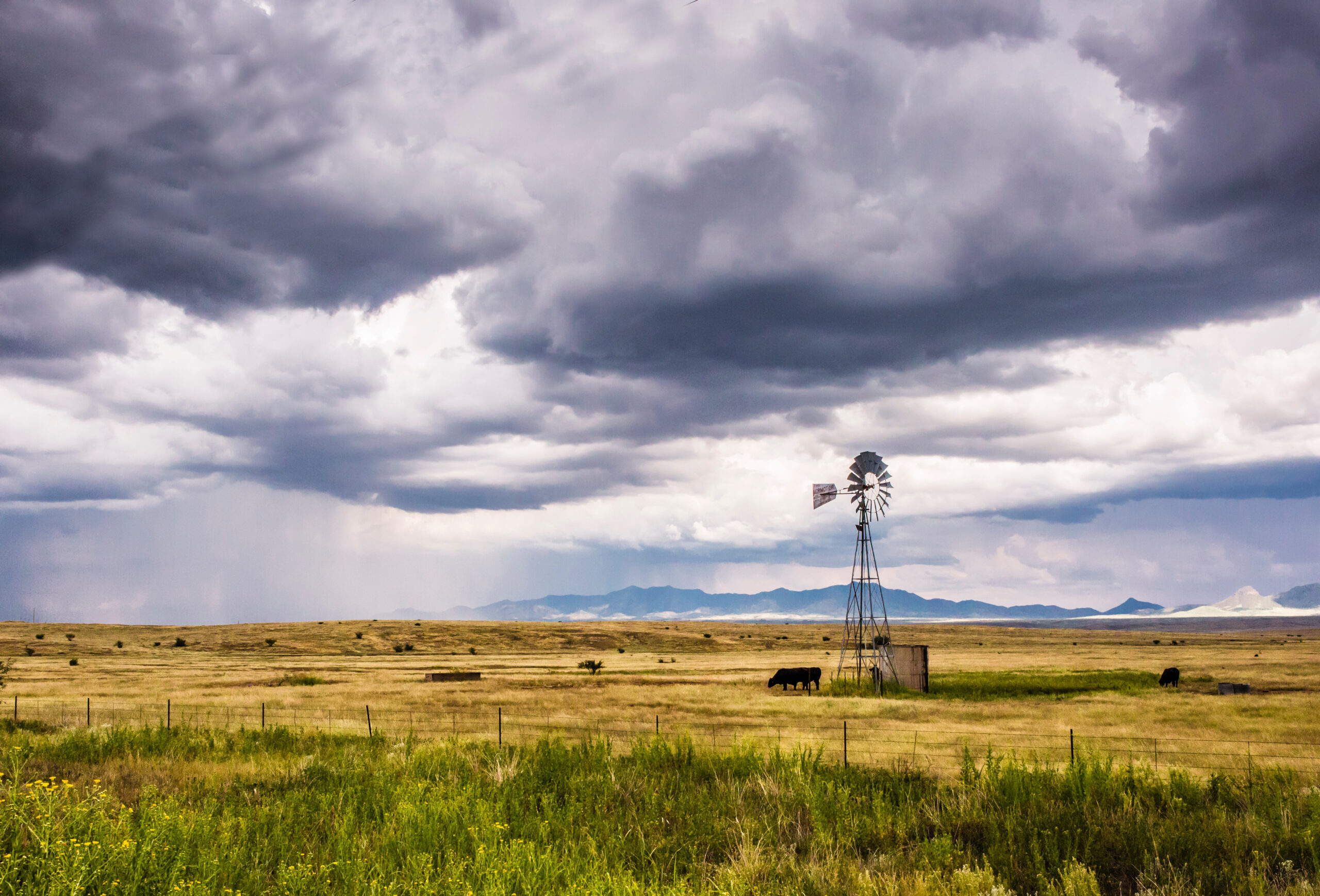
When you think about buying land in South Texas, it’s easy to picture endless open spaces and wide blue skies. But there’s a lot more beneath the surface that makes these ranches special—whether you’re looking for a quiet place to call your own, a spot to run livestock, or an investment that can grow over time. In this article, we’ll explore different types of ranch properties available, their unique features, and why they’ve become such an appealing choice for both families and investors alike.
Mike and Cody’s Texas Ranch Sales specializes in offering a wide range of ranch properties throughout South Texas, featuring options such as secluded acreage, native habitat land, and hunting or livestock ranches. Our user-friendly website provides a state-of-the-art ranch search engine where you can explore detailed listings of South Texas ranches tailored to your specific needs.
Notable Ranch Properties for Sale
South Texas ranches embody a unique blend of natural beauty, wildlife diversity, and strategic location that attracts both seasoned investors and outdoor enthusiasts. Take the Back 40 Ranch in Bee County, for example. This 40±-acre tract offers privacy and native South Texas habitat—an ideal retreat or a manageable property to begin your ranch experience. Its intimate size does not diminish its potential; smaller parcels like this often provide a more accessible entry point into the ranch lifestyle without sacrificing quality or character.
Then there’s Jourdanton Oaks, nestled with scattered oak trees and a waterline along the county road, offering both scenic views and vital water resources. Such features aren’t just about aesthetics; water access is a crucial factor in ranch management, impacting everything from livestock health to wildlife presence. A sustained water source directly correlates with land value and usability, especially in South Texas where drought conditions can challenge even the most resilient ranches.
Meanwhile, Jourdanton Secluded Acreage in Atascosa County combines easy access off Highway 173 with secluded tranquility—a rarity that appeals to buyers desiring balance between accessibility and privacy. Connectivity matters immensely when considering property for either personal use or commercial ventures such as hunting leases or cattle operations. These traits speak volumes about how well-positioned these ranches are for multiple uses.
For larger holdings, properties like La Parita Creek Ranch go beyond raw acreage; its rolling terrain coupled with creek bottoms fosters rich ecosystems that support healthy populations of whitetail deer—a prized game species throughout Texas. Well-managed wildlife not only enhances recreational opportunities but also boosts conservation value and potential income from guided hunting experiences.
Likewise, ranches such as Hidaway Ranch present a vibrant mixture of exotic and native species on 1,000± acres dedicated to premier hunting experiences. Diverse game populations attract hunters nationwide, creating a sustainable revenue stream well beyond traditional ranching pursuits.
When evaluating ranch properties in South Texas, it’s essential to assess not just the land’s physical characteristics but also its potential for multiple revenue streams—whether from livestock grazing, wildlife management, or recreational use. Properties that combine fertile terrain, reliable water sources, and robust wildlife habitats offer investors both lifestyle benefits and sound financial prospects.
| Property Name | Location | Size (Acres) | Highlights | Potential Uses |
|---|---|---|---|---|
| Back 40 Ranch | Bee County | 40± | Native habitat, privacy | Private retreat, small-scale grazing |
| Jourdanton Oaks | Jourdanton | Varies | Oak trees, waterline access | Livestock ranching, hunting |
| Jourdanton Secluded Acreage | Atascosa County | Varies | Highway proximity, seclusion | Residential, recreational |
| La Parita Creek Ranch | Atascosa County | 2,252± | Rolling terrain, creek bottoms, whitetail deer | Hunting, conservation |
| Hidaway Ranch | Freer | 1,000± | Exotic/native game populations | Commercial hunting |
| Nockenut Ranch | Seguin | 420± | Hills, valleys, multiple lakes | Fishing, relaxation |
Understanding these diverse attributes helps frame why South Texas ranches continue to be an appealing choice for those seeking enjoyment of nature combined with valuable investment possibilities. Examining these qualities further opens the door to exploring the financial outlook tied to owning such properties.
Investment Potential of South Texas Ranches
Land in South Texas doesn’t just sit idle—it works for you. Over the past decade, rural land values here have appreciated at roughly 6% annually, according to the Texas A&M Real Estate Center. This steady growth reflects strong demand and limited supply in this region, positioning ranch properties as a solid financial foundation.
Consider a property like the Back 40 Ranch with its 40± acres nestled in Bee County; owning such acreage opens doors to various revenue avenues beyond simple ownership. From leasing the acreage for cattle grazing—a traditional income source—to commercial hunting leases that attract sportsmen targeting native and exotic game, each option adds layers of value. Even eco-tourism is growing in appeal among today’s landowners looking to capitalize on natural beauty and outdoor experiences without heavy development.
Of course, immediate returns tell only part of the story. The true promise lies in the future potential embedded in these properties.
Future Potential
As cities in Texas continue their outward push, undeveloped ranch land becomes scarcer by the year. This dynamic compresses prices upward over time, making early ownership particularly advantageous.
This urban sprawl effect isn’t just about rising market value; it brings prospects for creative uses of the land that blend leisure and long-term gain. Many owners find satisfaction in recreational pursuits such as hunting, hiking, or simply retreating from city life—activities that add intrinsic value well beyond dollars and cents.
Moreover, these ranches often present opportunities for stewardship that can enhance their worth. Practices like sustainable wildlife management or habitat conservation align both ecological responsibility and investment safeguards. Thus, your purchase could serve as a legacy holding where financial benefits grow alongside natural preservation.
“Owning a South Texas ranch isn’t just an investment—it’s a lifestyle choice that intertwines financial security with meaningful connection to the land,” as one satisfied buyer expressed after closing on a property through Mike and Cody’s Texas Ranch Sales.
Navigating these opportunities wisely requires insight into how best to leverage both the economic strength and lifestyle advantages South Texas ranches offer—a goal Mike and Cody’s team continuously supports.
Strategic Advantages
When evaluating investment potential, examining location-specific factors pays dividends. Accessibility to major highways, water sources integral for livestock or wildlife, and existing infrastructure can significantly impact a property’s profitability and enjoyment.
Ranches near thriving small towns or within reach of metropolitan centers like San Antonio benefit from both convenience and steady demand.
Additionally, diversification adds resilience against market fluctuations. Combining livestock operations with commercial hunting leases or vacation rentals creates multiple income streams that balance seasonal or economic changes.
Practical Tips for Investors
- Research Regional Market Trends: Track land value changes using tools like Texas A&M Real Estate Center reports or consult seasoned brokers familiar with South Texas agricultural markets.
- Evaluate Water Resources: Water access dramatically affects operational costs and land value due to Texas’ semi-arid climate.
- Consider Dual-Use Opportunities: Properties supporting both livestock and hunting can maximize return on investment through complementary revenues.
- Engage Expert Services: Local experts like Mike and Cody offer free market analyses to align your goals with the realities of regional land sales.
By appreciating these layers of economic opportunity alongside lifestyle benefits, prospective owners can unlock the full potential found in these expansive South Texas ranches.
Recreational Activities and Amenities
When you think of a South Texas ranch, picture more than just wide-open land. Many of these properties are designed to provide a full outdoor lifestyle experience. Take Rockin K Ranch, for example—it’s not just acreage; it’s outfitted with fishing ponds shimmering under the Texas sun, ATV trails winding through native brush, horse riding arenas ready for both the casual rider and serious equestrian, and even luxurious lodges that feel like a home away from home. These amenities transform everyday living into an adventure and provide immediate enjoyment alongside long-term ownership.
For those with hunting in mind, properties like Star Gazer Ranch become almost magnetic. With thriving populations of quail, turkey, dove, and native whitetail deer, these ranches serve as sought-after destinations for hunters looking to connect deeply with nature while practicing ethical game management. Not only does this enhance the joy of the sport, but it also contributes to healthy wildlife populations across the landscape.
The richness of recreational opportunities flows naturally from the diversity of wildlife on these ranches. Maintaining a balanced ecosystem is key—habitats managed for wildlife attract species that support various outdoor activities whether hunting seasonal game or bird watching year-round. This natural abundance also opens doors to other pursuits like wildlife photography and nature hikes, allowing owners to immerse themselves fully in the environment.
Consider how the design of a ranch’s amenities can foster different interests simultaneously. Fishing ponds require careful planning concerning water sources and fish stocking; ATV trails must balance excitement with environmental sensitivity; equestrian facilities need proper layout and maintenance to keep horses happy and riders safe. All these elements reflect deliberate efforts by thoughtful owners and brokers who understand the dreams tied to owning a piece of Texas land.
The synergy between natural features and man-made improvements is what often distinguishes prime South Texas ranches. The comfortable lodges and cabins offer relaxing spots to unwind after a day outdoors, making weekend stays or longer visits pleasurable no matter the season. Such versatility adds layers of value beyond acreage alone—a crucial insight when exploring ranch offerings through experts like Mike and Cody’s Texas Ranch Sales.
If your vision for ranch life involves embracing outdoor hobbies or simply enjoying peaceful surroundings crafted with purpose, focusing on properties with established recreational infrastructure can be a game changer. It ensures you step into a lifestyle primed for both relaxation and adventure from day one.
Exploring these amenities further reveals how important they are not just for personal enjoyment but also for enhancing property value and appeal in a competitive market. As we look closer at how these environments support diverse wildlife initiatives, we begin to see the vital role conservation plays in preserving these landscapes for generations to come.
Wildlife and Conservation Efforts
South Texas, with its unique blend of brushland, oak motts, and river bottoms, harbors a remarkable variety of animal and plant species. Ranch owners in the region increasingly understand that managing these lands responsibly is more than just a duty—it’s a way to preserve a living heritage.
This means employing sound wildlife management strategies that promote balanced ecosystems. For example, healthy populations of white-tailed deer, wild turkey, quail, and even endangered species such as the Aplomado falcon find refuge here thanks to habitat improvements and predator control programs initiated by conscientious landowners.
The success stories are many. At places like Boggy Creek Ranch, owners have taken active steps like planting native grasses, restoring wetlands, and controlling invasive species. These actions encourage native flora to flourish—creating food sources and cover for a broad spectrum of wildlife. Such stewardship not only uplifts the land but also enhances hunting quality and outdoor experiences.
It’s important to realize that good conservation starts with understanding the intricate balance between soil health, vegetation diversity, and animal populations—elements that are tightly interwoven.
If you’re considering investing in a South Texas ranch, look closely at how past or current owners have approached wildlife management. Well-managed properties typically feature water sources carefully maintained or constructed game trails that optimize animal movement while minimizing habitat disturbance.
Many ranches also participate in state or federal conservation programs offering incentives for preserving sensitive areas or implementing best practices for sustainable land use.
Conservation isn’t merely an ecological obligation; it is reflective of a lifestyle deeply connected to the land’s rhythms. Owners often share stories about spotting rare birds or tracking elusive game—moments that underscore their respect for nature’s intricate patterns.
This connection fosters educational opportunities too: many ranches welcome guided wildlife tours or engage with local schools to teach about native species and habitat preservation.
An added benefit comes from understanding the financial and ecological returns of conservation-friendly practices:
| Benefit | Description |
|---|---|
| Enhanced Property Value | Conserved habitats often increase desirability among buyers seeking turnkey recreational or investment properties. |
| Improved Ecosystem Services | Healthy lands contribute to cleaner water runoff, better carbon sequestration, and erosion control. |
| Sustainable Hunting | Balanced wildlife populations ensure long-term viability for game management. |
| Biodiversity Preservation | Supporting rare or endangered species contributes to global conservation goals. |
Ultimately, conservation on South Texas ranches reflects both practical management and an enduring respect for natural heritage—a legacy passed down through generations of ranchers who know this land intimately.
Whether your interest lies in recreation, investment, or stewardship, understanding wildlife dynamics on these properties enriches your appreciation and maximizes your ranch’s potential.
Armed with insights into wildlife preservation and responsible management, buyers are better equipped to choose ranches that offer both enjoyment and ecological integrity. This perspective naturally flows into exploring how embracing this lifestyle shapes daily life on these expansive properties.
Living the Ranch Lifestyle
Living on a South Texas ranch is an immersive experience that goes far beyond owning vast acreage. It’s about waking up before dawn, stepping outside into fresh air, and feeling the pulse of the land beneath your feet. The rhythm of ranch life is dictated by nature and seasons—feeding livestock at first light, checking fences along dusty trails, or riding through native brushland to inspect water sources. Each day blends purpose with the serenity of wide-open spaces under expansive skies.
Taking care of a ranch means embracing responsibility for its health and productivity. It’s not just about managing cattle or game animals—it’s also about stewarding the native habitat. You quickly learn the delicate balance between grazing pressure and preserving wildlife corridors, or how crucial water conservation becomes during Texas’ dry spells. This hands-on involvement fosters a deep respect for the land and its cycles, tying owners closely to the environment in a way few other lifestyles do.
Beyond the physical tasks, life on a South Texas ranch also connects you to a community with rich roots and shared values.
The ranching culture here thrives on connection—between neighbors who know the value of lending a hand during calving season or repairing fences after storms; among families who pass down knowledge about cattle breeding or predator control; and within hunting groups that understand sustainable wildlife management. This culture is grounded in traditions of resilience and self-reliance but also hospitality and generosity.
If you’re considering investing in South Texas ranch property, it helps to appreciate not only the land’s features but also these cultural ties. Getting involved locally—whether by joining ranch associations or attending regional events—will deepen your experience and open doors to important networks.
Finally, there’s a powerful satisfaction unique to ranch living: crafting a legacy. Whether you’re enhancing grazing lands, improving wildlife habitats, or fostering family traditions, each effort weaves into a broader story of stewardship. Many who purchase ranches through services like Mike and Cody’s Texas Ranch Sales speak of finding their “little piece of Texas” not just as an investment but as a true home imbued with purpose.
“Owning a ranch isn’t just about property—it’s about belonging to something bigger than yourself.”
Understanding this way of life offers insight into why investing in South Texas ranches is much more than acquiring land. It invites you into a longstanding heritage and network that enriches every aspect of ownership.
Historical Significance and Heritage
South Texas ranches serve as living monuments to the pioneering spirit that carved out a livelihood from rugged, untamed terrain. These properties often carry stories stretching back through generations—tales of families who wrestled with the land, shaped it, and preserved its legacy by passing it down. This thread of continuity connects owners today with the hardships and triumphs of those early settlers who established ranching as an enduring way of life.
To fully appreciate these lands, it helps to understand that many such ranches bear marks of historical importance—whether in old homesteads, century-old barns, or markers commemorating key events. For example, properties like Jourdanton Secluded Acreage don’t merely offer acreage; they provide access to tangible pieces of Texas history, reminding buyers that this is a landscape transformed by human hands over decades.
This heritage is also intricately linked with the cowboy culture that famously defines Texas. From cattle drives to horse wrangling traditions, South Texas ranches encapsulate a lifestyle synonymous with grit, independence, and rugged self-reliance. Owning these ranches often means inheriting a cultural narrative punctuated by rodeos, trail rides, and gatherings that celebrate agricultural innovation and community.
But beyond their cultural weight and historic charm, these ranches offer distinct physical features shaped by their past uses—features that influence everything from land management to wildlife presence and property value. Understanding this historical context can guide potential buyers in choosing a ranch that aligns not only with their investment goals but with a lifestyle steeped in Texan tradition.
| Aspect | Historical Influence | Impact on Ranch Today |
|---|---|---|
| Family Ownership | Generations passing land down preserving heritage | Strong sense of stewardship and land care |
| Agricultural Legacy | Early farming & cattle raising techniques | Well-established grazing areas, water systems |
| Cowboy Culture | Practices from driving cattle to horsemanship | Community events; lifestyle opportunities |
| Historic Structures | Old homesteads, barns, boundary markers | Potential for preservation or restoration |
When exploring ranch purchases with Mike and Cody’s Texas Ranch Sales, consider asking about the historical context of the property—it could reveal key insights into land conditions and potential uses. Their expertise in South Texas real estate uniquely positions them to help buyers connect with not only the land but its story.
Recognizing the deep-rooted history behind these properties leads naturally into appreciating the unique natural and man-made features that set South Texas ranches apart. These distinctive characteristics shape how owners experience and utilize their land.
Unique Features of South Texas Ranches
One of the defining features of South Texas ranches is the climate and geography. The region enjoys a semi-arid climate with warm temperatures that stretch long into the year, creating an environment where native grasses and brush thrive alongside scattered trees. Rolling hills and broad valleys form a patchwork of ecosystems, each supporting an array of wildlife—from whitetail deer to native quail. These conditions make such ranches equally suited for livestock grazing, commercial game hunting, or simply retreating away from city life.
When you walk through properties like the Lone Star Ranch near San Diego, Texas, you’ll notice how natural water sources carve green corridors amidst rugged terrain—ideal for both ranching and recreation.
Climate and terrain are only part of the appeal; practical considerations about infrastructure and accessibility further enhance their value.
Many South Texas ranches benefit from convenient access to urban centers like San Antonio and Corpus Christi without losing that sense of seclusion prized by rural enthusiasts. This rare blend means owners can enjoy peaceful country living while having highways, airports, hospitals, and markets within a reasonable drive.
Infrastructure on well-developed properties often includes maintained roads, water lines, electricity, and even reliable cell coverage—essentials that enable smooth daily life or develop commercial uses like hunting leases or cattle operations.
For example, the Jourdanton Secluded Acreage offers easy access off Highway 173 while maintaining its private atmosphere—a balance that appeals strongly to buyers who want both connectivity and tranquility.
Knowing these unique features helps explain why investment opportunities here have grown so attractive over recent years.
| Ranch Name | Location | Size (Acres) | Notable Features |
|---|---|---|---|
| La Parita Creek Ranch | Atascosa County | 2,252 | Expansive pastures alongside mature hardwoods |
| Hidaway Ranch | Near Freer | ~1,000 | Combines hunting with livestock management |
| Nockenut Ranch | Seguin | ~420 | Recreational versatility |
| Rockin K Ranch | Jourdanton | Varies | Recreational haven for weekend getaways |
| Star Gazer Ranch | Star | Varies | Hunter’s paradise with food plots and blinds |
| Boggy Creek Ranch | Beeville | Varies | Ecological stewardship focus |
| Jourdanton Secluded Acreage | Jourdanton | Varies | Scenic native landscapes with waterline access |
| Lone Star Ranch | San Diego | Varies | Diverse topography supporting outdoor pursuits |
These characteristics speak to a broader reality: South Texas ranches offer more than just land—they provide an experience shaped by nature’s design paired with thoughtful human development.
For buyers looking to invest in something enduring—whether it’s hunting property, livestock ranching, or land appreciation—understanding these features equips you to make decisions grounded in both practical needs and personal aspirations.
Appreciating what makes these ranches distinct leads naturally into considerations about wise investment strategies tailored to this dynamic market.
South Texas ranches combine natural beauty with practical amenities, making them exceptional opportunities for long-term personal enjoyment or investment growth. Knowing what makes these properties unique will empower you to find your ideal piece of Texas land.