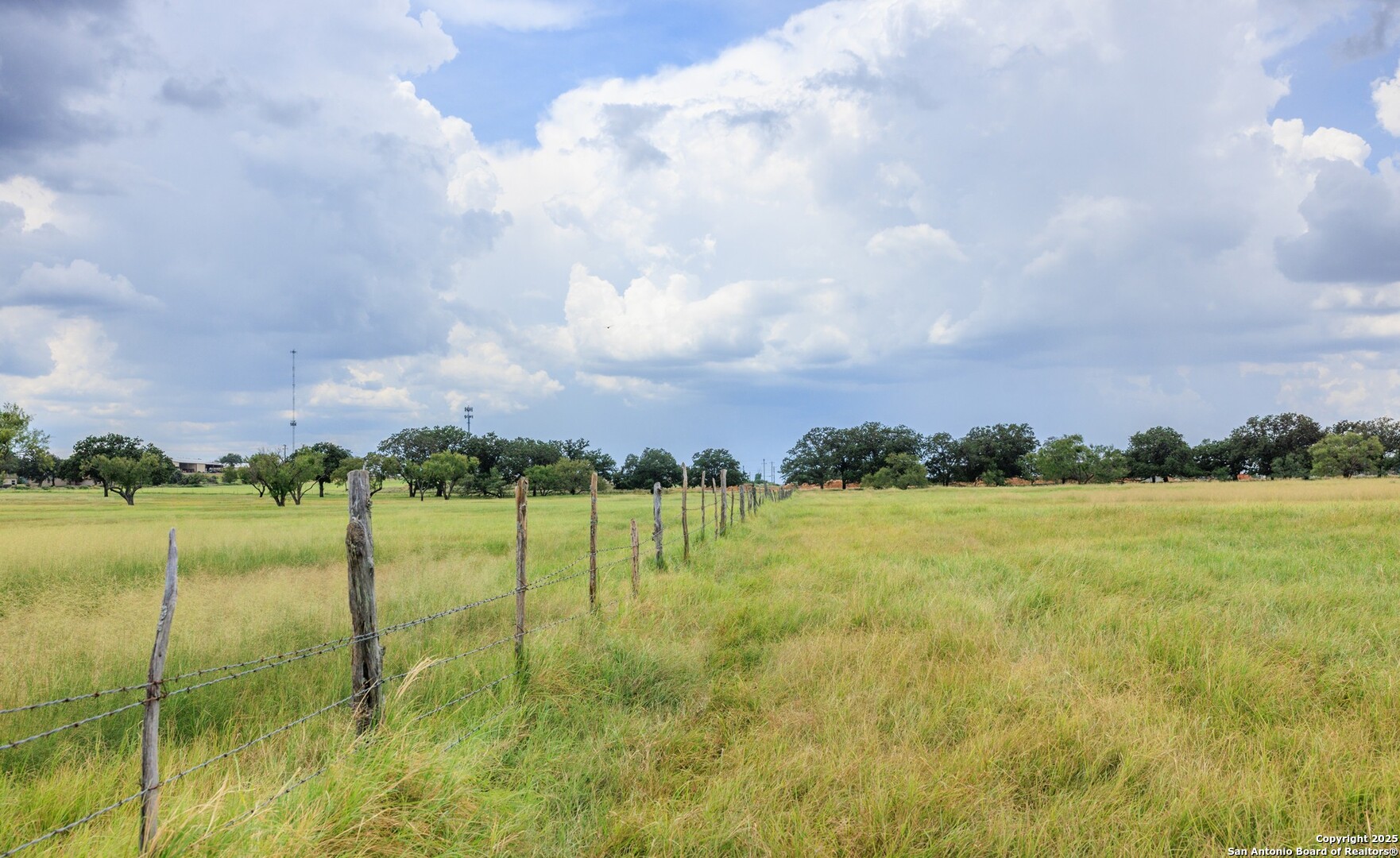
Thinking about buying a farm in Texas? It’s not just about finding a big piece of land—it’s about discovering a lifestyle that fits your dreams and goals. Texas offers everything from rolling hills to flat plains, each perfect for different kinds of farming and ranching. But with so many options, it can be tricky knowing where to start or what to look for. That’s why getting a clear picture of the types of farms available and understanding what makes each one special is the key first step on your journey.
You can find an extensive selection of Texas farms for sale through Mike and Cody’s Texas Ranch Sales, offering properties across South Texas, East Texas, Hill Country, and other regions. Our website features a state-of-the-art ranch search engine, expert guidance, and personalized service to help you locate the ideal farm property tailored to your needs.
Exploring Texas Farms for Sale
When you start looking for a farm in Texas, it quickly becomes clear that no two properties are alike. Each region brings its distinctive soil, climate, and land use potential. For example, Hill Country farms captivate with their rolling limestone hills and oaks, making them prime candidates for vineyards or boutique agriculture.
In contrast, South Texas Plains often boast expansive flatlands—perfect if you’re thinking bigger scale livestock or crop operations. These geographic nuances aren’t just about scenery; they fundamentally shape what your farm can produce and how it fits into your long-term plans.
Diving deeper, the choice of region should align with practical considerations like water availability, market access, and local regulations. West Texas ranches might entice hunters and cattle ranchers with their wide-open spaces and drier climate, but water scarcity is often a challenge.
Meanwhile, properties in East Texas provide rich timber resources and lush landscapes but may require more maintenance due to denser vegetation—something to ponder if you seek less land upkeep.
Understanding these factors upfront can save you time and frustration. Take Gulf Coast farms: the proximity to the coast offers fertile soil and diverse farming opportunities including seafood cultivation—a niche not found elsewhere—but brings weather risks like hurricanes.
Knowing these pros and cons lets you focus on properties that truly fit your vision rather than just chasing quantity or price.
Another essential piece is recognizing how each farm’s history affects its current condition and future potential. Many Texas farms come with established infrastructure—water wells, fencing, barns—that impact value and usability.
Mike and Cody’s expertise at Mike and Cody’s Texas Ranch Sales is invaluable here; they don’t just list properties blindly. They research each listing thoroughly and highlight features relevant to buyers’ needs, helping clients avoid costly surprises.
If you want to navigate this complex landscape effectively, consider working with professionals who know statewide market trends and local peculiarities intimately. Utilizing tools like their state-of-the-art ranch search engine allows you to filter by region or property type swiftly.
Beyond technology, engage experts who can walk you through assessing soil quality, water rights, wildlife presence, and community resources.
“Buying a Texas farm isn’t just a real estate deal—it’s a lifetime commitment to the land,” says Mike Carrasco of Mike and Cody’s Texas Ranch Sales. “Understanding every aspect from geography to legacy is what makes the difference between owning property and truly belonging to Texas ranch country.”
Navigating the diversity of Texas farms means appreciating both regional quirks and individual property histories. Equipped with this understanding, you’ll be ready to evaluate what truly makes a farm land investment worthwhile as we move forward to key aspects of assessing these unique properties.
Key Factors in Evaluating Farm Land
When sizing up farm land in Texas, the soil beneath your feet tells a vital story. Soil quality directly affects what crops you can grow and how well your livestock will thrive. Performing a comprehensive soil test helps you look beyond the surface—revealing pH levels, nutrient balances, and drainage capabilities essential for sustaining healthy production.
For example, sandy soils common in East Texas drain quickly but might struggle to retain nutrients, while the denser clay soils in Central Texas hold moisture longer but can cause drainage issues. Knowing these differences allows you to tailor your farming practices or select crops that naturally fit the terrain.
Water availability is another cornerstone of farm viability that often separates a good property from a great one. Farms with reliable access to rivers, lakes, or aquifers open many doors—irrigation becomes manageable, livestock has steady hydration, and overall productivity stabilizes.
However, Texas water rights can be complex and vary by region; it’s critical to verify ownership and usage restrictions before making a commitment. Checking these details upfront protects your investment from future legal roadblocks or unexpected shortages.
Don’t overlook the lay of the land either. Topography influences erosion risk, water runoff, and how easily you can maneuver equipment across fields. A gently sloping or flat terrain simplifies irrigation setups and facilitates large-scale operations like row cropping or cattle grazing.
Conversely, rolling hills typical of Texas Hill Country might challenge heavy machinery but provide excellent conditions for specialty crops such as vineyards or orchards that thrive on slopes for better sun exposure and drainage.
Considering soil health, water access, and landscape features together gives you a clearer picture of whether a particular farm suits your agricultural objectives—and helps prevent costly surprises down the road.
Shifting from understanding individual farm features, it’s essential to explore how location impacts both value and lifestyle when seeking prime properties across Texas’ diverse regions.
Top Texas Ranch Locations
Texas is vast, and each region offers its own unique advantages depending on what you’re looking for in a ranch. When choosing a location, consider not only the land’s natural resources but also how the environment, local communities, and infrastructure align with your goals—whether it’s hunting, livestock, farming, or simply a peaceful retreat.
South Texas – Atascosa County
South Texas rings particularly true for those who prize abundant wildlife and top-tier hunting opportunities. Take Atascosa County as an example: this area is famed for its mature oaks and brush country that create ideal habitat for whitetail deer and other game. Properties like the Double H Ranch, stretching 100 acres with turn-key facilities, demonstrate the region’s appeal.
What makes this location stand out isn’t just the game; the soil’s adaptability for diverse livestock and its reliable water sources contribute heavily to making South Texas a solid bet for ranchers. Plus, it’s close enough to San Antonio that you can enjoy rural life without giving up access to city comforts.
Gulf Coast – Refugio County
The Gulf Coast offers a fascinating balance of fertile agricultural lands, coastal access, and mild winters that extend growing seasons. Refugio County exemplifies this blend.
While some hesitate due to concerns about hurricanes or flooding risks, smart land management mitigates many of these challenges. The region’s richness in soil nutrients results in crops that thrive and feed profitable livestock operations. Its coastal proximity also invites possibilities beyond farming—fishing and ecotourism flourish here too.
So while weather risks exist, they often pale in comparison to the abundance of opportunity native to Gulf Coast ranches.
Texas Hill Country – Gillespie County
Moving northwest, Gillespie County represents another layer of desirability especially for those interested in viticulture or hobby farming. The Hill Country’s rolling limestone hills with scattered cedars provide not only breathtaking views but microclimates well-suited for growing grapes and other specialty crops.
This landscape supports boutique agriculture ventures such as vineyards that have turned parts of the Hill Country into thriving wine country districts. Additionally, Gillespie benefits from proximity to Austin and San Antonio, making it ideal if you seek country living with urban conveniences nearby—whether that means getting supplies or selling your produce at farmers markets.
When considering all these regions together, it’s clear each offers distinct advantages tailored to different ranching lifestyles. Whether your heart lies in managing wildlife-rich South Texas brushlands, reaping the rewards of fertile Gulf Coast fields, or cultivating vineyards in scenic Hill Country hillsides, Texas has a spot for you—and knowing these nuances helps you pinpoint your best match.
Recognizing the strengths of each region naturally leads to understanding how to evaluate specific properties carefully—a crucial next phase for anyone serious about acquiring farm or ranch land in Texas.
Steps to Purchase Farm Property
Buying farm property in Texas can feel like stepping into a large, complex puzzle—every piece needs to fit just right. The very first thing you want to do is get crystal clear on your needs and budget. Are you envisioning a cattle operation, a hunting retreat, or a mixed-use ranch? Knowing this upfront shapes your search criteria and saves time.
Plus, setting a realistic budget prevents heartbreak later when you discover some dream properties are well beyond reach. It’s worth spending time to list your priorities—water access, soil quality, fencing condition, or proximity to town. These factors determine not only what you pay but how satisfied you will be long term.
With your goals sharpened, it’s time to find a trusted guide familiar with Texas farm real estate markets—the right real estate agent.
The truth is that specialized agents make all the difference. Working with professionals like those at Mike and Cody’s Texas Ranch Sales means tapping into local expertise for South Texas, Hill Country, Gulf Coast, and beyond. These agents don’t just sell land—they understand ranching lifestyles, hunting leases, water rights, and what makes each Texas region unique.
Their experience helps smooth negotiations and keeps surprises at bay. So rather than wandering through listings blindly, rely on seasoned agents who can point you toward the best properties matching your ambitions.
Now comes one of the most critical phases: evaluating the land itself to avoid future headaches.
Before signing anything, thorough due diligence is essential. This isn’t just about admiring sweeping views or imagining barn placements—it’s about verifying that the land can support your intended use. Soil tests reveal fertility and drainage conditions crucial if crop farming is involved.
Assessing water resources confirms reliable supply for livestock or irrigation. An environmental impact study might uncover protected habitats or restrictions that could affect development plans. Taking these steps early preserves your investment by surfacing issues you may never detect from photos or casual visits alone.
After confirming the property meets your standards, securing financing is the next milestone in making it officially yours.
Financing rural properties often requires specialized knowledge compared to conventional home loans. Agricultural loans offered by entities like the USDA or local lenders provide tailored terms suited for farm purchases.
Many programs have beneficial interest rates and payment schedules aligned with farming cash flow cycles—planting through harvest. Understanding eligibility requirements and preparing documentation ahead of time expedites approvals. If you’re unsure where to start, your real estate agent usually has contacts or can recommend financial advisors familiar with Texas agriculture lending.
With financing lined up and confidence in the land’s viability, it’s time to finalize the deal carefully.
Closing a rural property purchase goes beyond signing papers. Work closely with your agent and possibly an attorney experienced in Texas ranch sales to verify all legal details are in order. This includes confirming that no unresolved liens are attached to the land and that property taxes are current.
Negotiations on sale terms—from price adjustments based on findings during inspection to handling easements—happen here too. A smooth closing sets you up for seizing the lifestyle and opportunities owning Texas farm property offers without unexpected setbacks.
Buying farmland or ranch land in Texas is a big step—but armed with a clear plan, expert guidance from Mike and Cody’s team, detailed evaluations, smart financing options, and careful closing processes, it becomes a rewarding journey toward your dream property.
For personalized assistance exploring ranches across Texas—including featured properties like Double H Ranch in Atascosa County or Back 40 Ranch in Bee County—contact Mike and Cody’s Texas Ranch Sales at (833) 697-2624 or visit https://mikeandcodystexasranchsales.com.
Understanding how to approach buying farm property sets the stage for grasping broader forces at work across Texas real estate markets. What follows is an exploration of patterns shaping land values and opportunities across this vast state.
Texas Real Estate Market Trends
The steady climb in Texas farm property prices reflects more than just numbers; it reveals shifting lifestyles and economic undercurrents. Recent statistics show an average annual price increase of about 5.8%, a clear signal that demand is outpacing the available supply. This trend doesn’t happen in isolation—it’s fueled by a combination of local and national changes affecting how people view rural land ownership.
Increasing Demand for Rural Land
One major factor driving the surge in interest is the growing number of urban residents seeking refuge from crowded cities. The rise of remote work, accelerated by recent global events, has made living farther from metropolitan hubs not only possible but attractive. People no longer need to commute daily to office buildings, so they’re choosing ranches and farms for their tranquility, privacy, and potential for self-sufficiency. This reshapes the buyer demographic: no longer just seasoned ranchers or investors but also professionals and families searching for lifestyle change.
More so, rural land offers diverse opportunities—from hunting retreats to sustainable farming—and this versatility appeals to buyers looking for multiple uses from their property. These non-traditional buyers often bring fresh perspectives to the market, increasing competition and sparking new developments tailored to modern lifestyles.
Market Fluctuations
While enthusiasm is high, it’s essential to recognize that the Texas farm real estate market ebbs and flows with both seasonal patterns and broader economic forces. Typically, spring and fall mark peak buying seasons when sellers list more properties and buyers actively search. This natural cycle means timing your entry can influence both availability and price points.
Beyond seasonal cycles, external economic factors such as interest rates play a critical role. For example, rising interest rates often temper buying activity by increasing financing costs, while lower rates tend to stimulate demand. Likewise, shifts in agricultural commodity prices—like cattle or crops—can impact investor confidence and valuations of working ranches or farms. Staying attuned to these indicators allows savvy buyers to anticipate market shifts rather than react after the fact.
| Market Factor | Impact on Farm Real Estate |
|---|---|
| Interest Rates | Higher rates = fewer buyers due to increased cost |
| Agricultural Prices | Higher commodity prices boost investment appeal |
| Seasonal Buying Cycles | Spring/fall bring more listings and buyer activity |
| Remote Work Trends | Increasing demand from non-traditional buyers |
In essence, watching these trends closely equips you with the foresight needed to choose not just when but what kind of property aligns with current and future market conditions. Whether you’re searching for a hunting ranch like those featured at Mike and Cody’s Texas Ranch Sales or a livestock operation primed for investment, understanding these dynamics will serve as your compass through the vast Texan landscape of farm real estate.
Grasping these core market influences will empower you to approach your property search with confidence, laying the groundwork for informed decisions as you explore what lies ahead in acquiring your very first piece of Texas farmland.
Tips for First-Time Farm Buyers
Buying your first farm can feel overwhelming because it’s not just about purchasing land—it’s about stepping into a lifestyle with unique responsibilities and opportunities. The complexity is real: there are land quality assessments, water rights, agricultural regulations, and the day-to-day challenges of managing rural property. But with the right guidance, this process becomes manageable—and rewarding.
One of the most important steps is to educate yourself thoroughly before signing any papers. The best buyers know the value of arming themselves with knowledge about farming practices and land management. Luckily, Texas offers many resources such as workshops and online courses through institutions like the Texas A&M AgriLife Extension. These programs cover critical topics—soil health, crop management, livestock care—that will help you understand what makes a farm productive and sustainable. This knowledge will also sharpen your ability to evaluate properties effectively and spot potential issues you might otherwise miss.
Once you’ve built a foundation of knowledge, the next piece in the puzzle is how much land is right for your goals and experience level.
Many first-time farm buyers make the mistake of jumping into large-scale operations too quickly. Instead, think about starting small—a manageable plot that lets you gain hands-on insights without becoming overwhelmed. Owning a 20-acre property, for example, often strikes a perfect balance between opportunity and practicality. It gives you space to experiment with crops or livestock on a scale that’s easier to handle personally or with limited help. This smaller starting point allows you to build confidence and gradually scale your farming efforts over time rather than confronting steep learning curves all at once.
But owning land isn’t just about what’s on paper; it’s also about people—the neighbors, the local experts, the community that surrounds your farm.
One of the biggest advantages new farm owners can embrace is connecting with the local farming community. Rural areas are typically tight-knit environments where farmers share experiences, trade tips, and lend support to each other. Joining local associations or clubs—like your county farm bureau—can provide not only camaraderie but also access to mentorships and cooperative buying opportunities that reduce costs on equipment or feed. These networks can even alert you to upcoming auctions or off-market properties that fit your goals better than what’s available online.
John Doe, a recent Texas farm buyer, underscores this well: “Joining the local farm bureau was invaluable. The networks and resources they provided helped me avoid common pitfalls and connected me with experienced mentors.” His story highlights how much smoother your journey becomes when you tap into local insights early.
Alongside these tips, it’s crucial to work with knowledgeable real estate professionals who specialize in Texas ranch and farm sales—especially ones like Mike and Cody’s Texas Ranch Sales who offer deep regional expertise across South Texas, Hill Country, Gulf Coast, West Texas, East Texas, and North Texas. Their hands-on approach helps first-time buyers navigate legal details like water rights and mineral leases while securing properties suited for specific purposes like hunting, livestock production, or investment.
This guidance combined with ongoing education and community engagement lays the groundwork for success—not just owning land but thriving on it.
If you’re considering taking these first steps into Texas farmland ownership, explore Mike and Cody’s search engine at mikeandcodystexasranchsales.com to identify properties tailored to your ambitions—and connect directly with advisors who understand both market trends and the unique fabric of rural Texas life.
Starting your journey in Texas farmland ownership requires preparation, patience, and connection. With expert guidance and involvement in your local farming community, you set yourself up not only to acquire land but to create a thriving lifestyle that grows alongside your dreams.