Thinking about buying a farm in Texas? It’s more than just picking a piece of land—it’s about finding a place where your goals and the land’s potential come together. Whether you want a working ranch, a spot to enjoy nature, or an investment for the future, understanding what makes each property unique is key. This article breaks down everything you need to know to start your search with confidence and find the right Texas farm that fits your lifestyle and plans.
Mike and Cody’s Texas Ranch Sales offers an extensive selection of Texas farms for sale across multiple regions including Hill Country, South Texas, East Texas, and more. Our listings feature a variety of farm sizes and types, complemented by professional videos and personalized service to help you find the perfect property that fits your agricultural or investment needs.
 Exploring Texas Farms for Sale
When you explore Texas farms, you’re not just looking at land; you’re considering a way of life. The sheer diversity in property types makes it essential to understand what’s available before making a decision. Whether you’re drawn to cattle ranches where the rhythm of livestock management rules your day or to agricultural farms that promise bountiful harvests from fertile soil, Texas delivers options in spades. Knowing the nuances of each farm type helps set realistic expectations and lays groundwork for a smoother ownership experience.
Cattle ranches are a cornerstone of Texas tradition. These properties usually come with natural water sources, native grasses, and fencing designed for managing herds. They demand knowledge in animal husbandry but are rewarding for those who appreciate hands-on stewardship of livestock and open ranges.
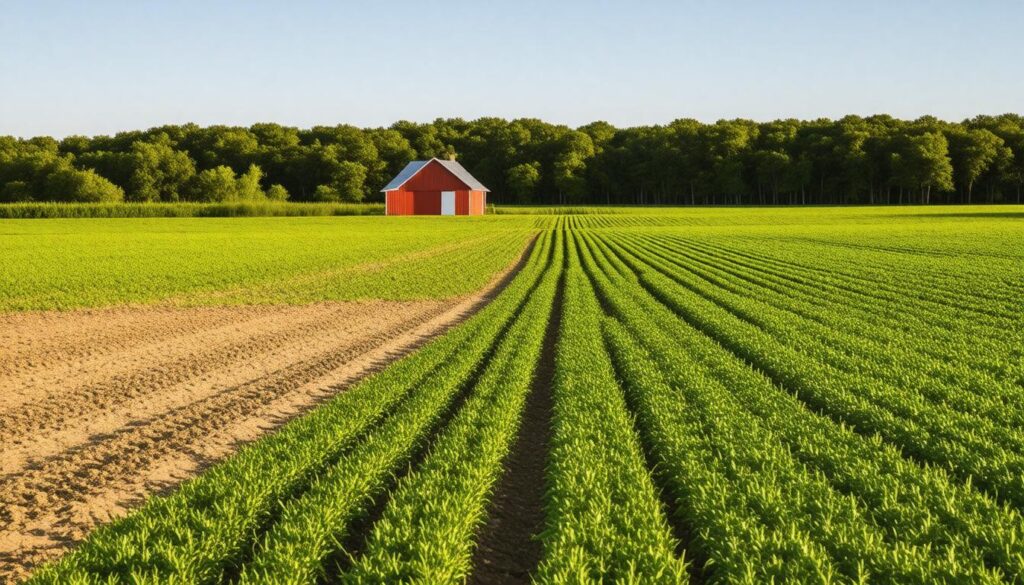
On the other hand, agricultural farms pivot around crop production—fields ready for planting cotton, wheat, or corn depending on the region’s climate and soil conditions. Such farms require equipment investment and expertise in seasonal farming cycles.
For horse lovers, equestrian properties add another dimension, blending pastoral charm with functional improvements like barns, paddocks, and arenas. These features cater specifically to riding and training needs.
Choosing the right property means weighing factors like proximity to markets or cities if commercial farming or commuting is involved versus remote ranch living.
One insider tip is to consider your long-term vision carefully: Are you seeking lifestyle enjoyment, commercial profitability, or both? This clarity will guide your search through listings and discussions with experts who understand regional differences—from Hill Country’s rolling hills to South Texas brushlands.
Beyond the type of farm lies the critical layer of land size, topography, water availability, and access—all vital pieces in this complex puzzle that define the true value and utility of any Texas farm property.
With a solid grasp of these foundational elements, you’re well prepared to evaluate some of the most promising ranch options that Texas has to offer.
Top Texas Ranches to Consider
When searching for the perfect Texas ranch, understanding how size, terrain, and intended use come together can guide your choice beyond just acreage.
The Hill Country Triple Shot Ranch, sprawling over 100 acres in Edwards County near Camp Wood, offers much more than beautiful vistas. Its rolling hills and natural cover create an ideal habitat for deer and exotic game — a prime spot for hunters who value a trophy-quality experience. But its topography also lends itself well to peaceful seclusion, making it a retreat as much as a working ranch.
Transitioning from the rugged landscape of southern Edwards County to the Double L Ranch in Duval County reveals a very different package: 77+ acres fully high-fenced for recreational use.
This sort of fencing not only secures valuable game but also supports intensive management strategies that optimize wildlife populations. For outdoor enthusiasts, this ranch provides all the tools needed for a successful hunting season alongside ample space for hiking and horseback riding. It’s a reminder that ranches tailored for recreation demand attention to both wildlife health and infrastructure.
Then there’s the Nockenut Ranch near Seguin, an excellent example of combining traditional livestock operations with modern living comforts.
Here you find vast open spaces perfect for grazing cattle under Texas skies, but also upgraded amenities that bring ease to rural living—an essential consideration often overlooked by first-time buyers. A ranch like Nockenut balances economic utility with lifestyle benefits, so understanding your priorities between work and leisure can help clarify if this is the right fit.
While these featured properties illustrate the diversity available across Texas, aligning them with your personal goals — whether hunting, raising livestock, or simply owning land — is critical before making any commitment.
Exploring these options closely lays the groundwork to identify the most promising investment prospects that match your ambitions in Texas farmland ownership.
Key Investment Opportunities in Farmland
Farmland in Texas has demonstrated remarkable financial strength over recent years, making it a compelling choice for both seasoned investors and newcomers alike. The USDA reports that farm real estate values have consistently climbed, reflecting growing demand and the increasing value placed on productive land. This steady appreciation provides a foundation of security many seek when looking beyond traditional investments.
But the appeal of farmland goes beyond just its market value. Investing in farming property offers a dual advantage: it acts as a stable asset resistant to market volatility, while also opening avenues for active income generation. Whether you decide to cultivate crops yourself or lease your land to farmers or ranchers, these activities can provide consistent cash flow.
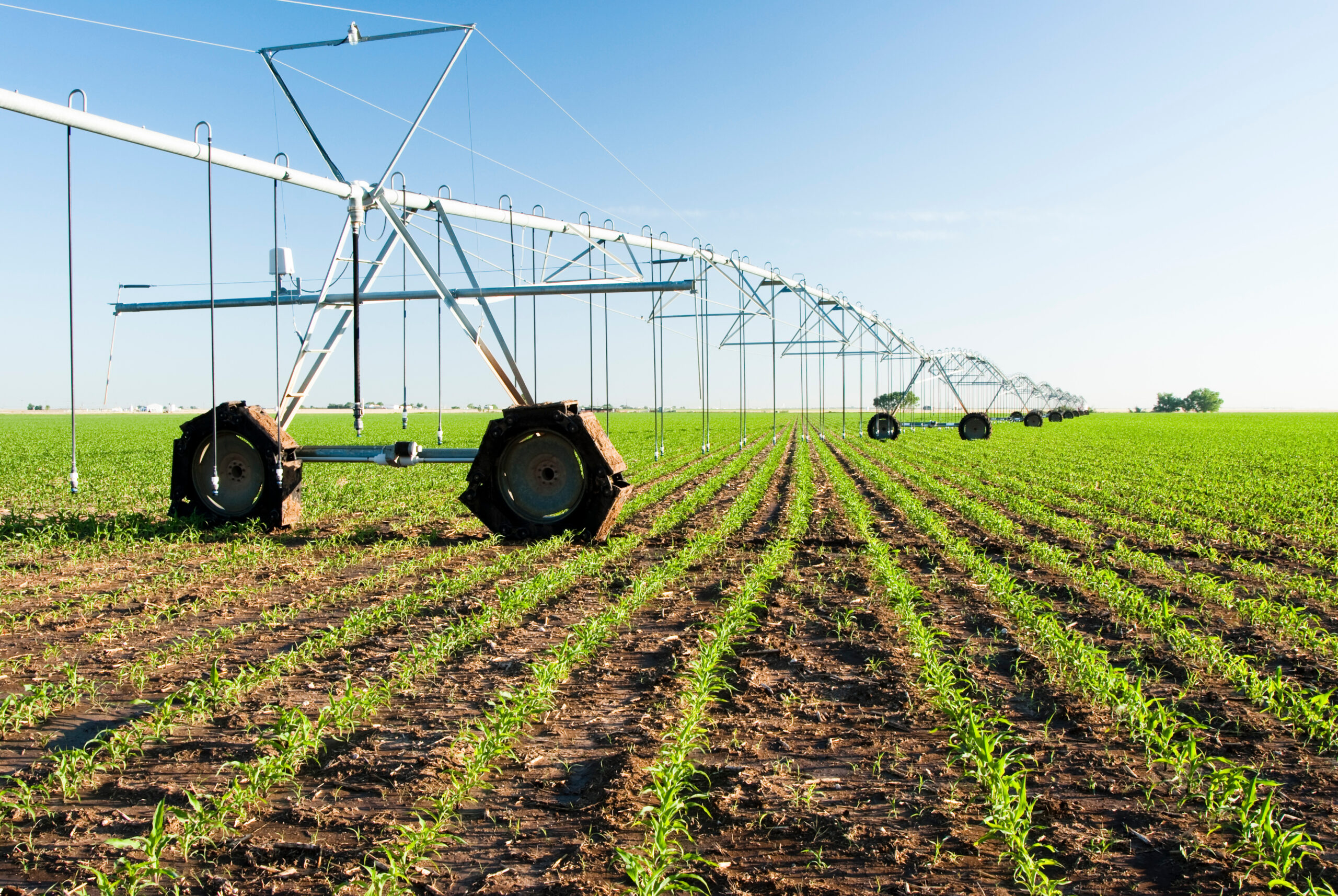
Land with existing irrigation infrastructure often commands a premium because it supports efficient and diverse agricultural production—an important consideration in Texas’ sometimes unpredictable climate.
For anyone eyeing farmland investment, location and land features deserve close attention. Properties near local markets reduce transportation costs and improve the chances of selling produce quickly at better prices. Conversely, lands equipped with modern irrigation systems can boost crop yields and protect against drought risks, ultimately increasing profitability and resilience.
Recognizing these factors will help you identify parcels in Texas that not only hold promise but also align with your specific financial goals.
Understanding the economic potential of farmland provides a crucial foundation. Next, we will explore key considerations that help you pinpoint the ideal property suited to your unique needs and investment objectives.
Important Factors in Farm Selection
Soil quality remains at the heart of successful farming. It’s not enough to simply look at a plot of land and assume it’s fertile; testing the soil is essential. A detailed soil analysis reveals nutrient levels, pH balance, and organic matter content, which together dictate what crops can thrive there and how much input you’ll need to invest in fertilizers or soil amendments.
For instance, sandy soils drain quickly but may require more irrigation and nutrients, while clay-heavy soils retain water but might cause drainage issues. Understanding these characteristics up front can save you costly mistakes down the road.
Equally crucial is secure access to water—a lifeline for any farm operation.
Proximity to natural water sources such as rivers, creeks, or lakes often gives a farm a significant advantage, especially during drought periods common in Texas. Alternatively, farms with dependable wells reduce reliance on external water supplies but require regular maintenance and monitoring.
Water rights and availability are complex legal territories in Texas, so ensuring clear access and understanding limitations is vital before purchasing a property. This factor doesn’t just affect your daily operations but also directly influences the farm’s resale value.
But even with fertile soil and dependable water, Texas weather brings its own set of challenges that demand attention.
Texas spans diverse climatic zones—from West Texas’s arid plains to East Texas’s humid forests—each influencing what farming activities are feasible. West Texas properties often benefit from closer access to major urban markets like San Antonio and El Paso, potentially lowering transportation costs for crops or livestock sales.
However, their drier climate requires robust irrigation planning. Conversely, East Texas’s higher rainfall supports lush pastures and certain crop types but carries risks such as flooding or hurricane damage, demanding insurance considerations and resilient farm infrastructure.
Choosing a region aligned with your operational goals helps mitigate long-term risks associated with unpredictable weather patterns.
With these factors—soil, water, climate—in mind, you’re better equipped to assess each ranch or farm opportunity on its own merits within the Texas market.
| Factor | Key Considerations | Impact on Farm Value & Success |
|---|---|---|
| Soil Quality | Nutrient levels, pH, texture | Determines crop suitability; affects input costs |
| Water Access | Source reliability, water rights | Essential for irrigation; influences operational risk |
| Climate & Weather | Regional rainfall, temperature extremes, storms | Affects crop/livestock choices and infrastructure needs |
Before making an investment decision, consider visiting properties during different seasons to see firsthand how the environment behaves throughout the year. At Mike and Cody’s Texas Ranch Sales, we guide buyers through this process—offering insightful market analysis tailored to your needs whether you’re eyeing a Hill Country retreat near Camp Wood or a high-fenced recreational ranch in Duval County.
This measured approach helps ensure your choice isn’t just beautiful Texas land on paper but a productive piece of property aligned with your agricultural ambitions.
Understanding these core elements lays the foundation for navigating the complexities of the marketplace ahead. As you explore available options, knowing how to interpret market signals will steer you toward sound investments designed to flourish over time.
Navigating the Texas Farmland Market
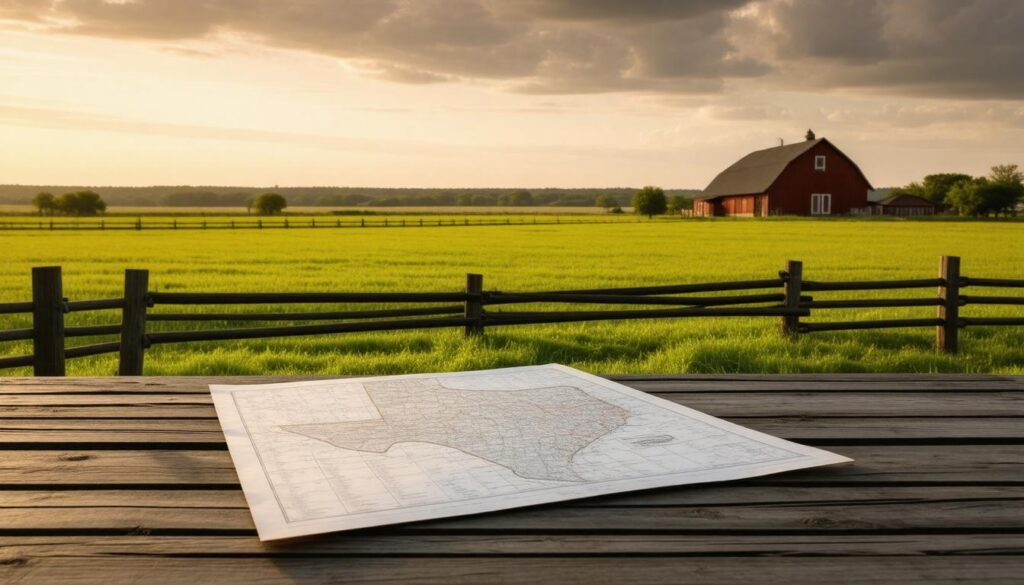 The Texas farmland market is a dynamic landscape—challenging but full of opportunity for those who understand how to move within it. One key to succeeding here is recognizing that the market varies widely by region, property type, and intended use. Whether you’re looking for a sprawling hunting ranch in South Texas or a productive livestock operation in East Texas, knowing the local nuances is essential. This is where professional guidance becomes invaluable.
Professional Guidance
Working with a farm realtor who intimately knows Texas’s diverse regions can save you countless hours and potential missteps. Experienced agents don’t just list properties—they bring critical insight into land quality, water rights, access, zoning laws, and local market trends.
At Mike and Cody’s Texas Ranch Sales, their deep roots in South Texas ranching paired with comprehensive knowledge from Hill Country to Gulf Coast ensure clients find tailored opportunities matching their goals. Their personalized approach removes guesswork, helping buyers make informed choices with confidence.
“Having trusted advisors who truly understand the land—and the lifestyle that comes with it—is priceless,” says Mike Carrasco, co-founder of Mike and Cody’s Texas Ranch Sales.
Market Trends
Understanding current market dynamics is another pillar of navigating farmland acquisition wisely. According to the Texas Real Estate Research Center, 2024 saw approximately a 10% increase in farmland values across the state—driven largely by demand for recreational ranches and multi-use properties combining wildlife management with livestock production. These trends emphasize why timing your entry and knowing what properties align with your investment or lifestyle plans matters so much.
The surge in values also means buyers should pace themselves, keeping an eye on long-term returns rather than reacting solely to short-term gains. Knowing when to negotiate or walk away involves a grasp of seasonal cycles and economic conditions affecting agriculture and real estate alike.
Armed with market insights and expert advisors, buyers are prepared to evaluate properties not only on acreage and location but on intangible factors like soil fertility, water availability, fencing quality, and potential for future improvements—each influencing operational success down the line.
After securing a parcel that fits your vision, understanding how to nurture and manage it effectively ensures that your investment grows in value and utility over time. Approaching property stewardship with strategic care becomes as vital as the purchase itself.
Tips for Managing Your New Property
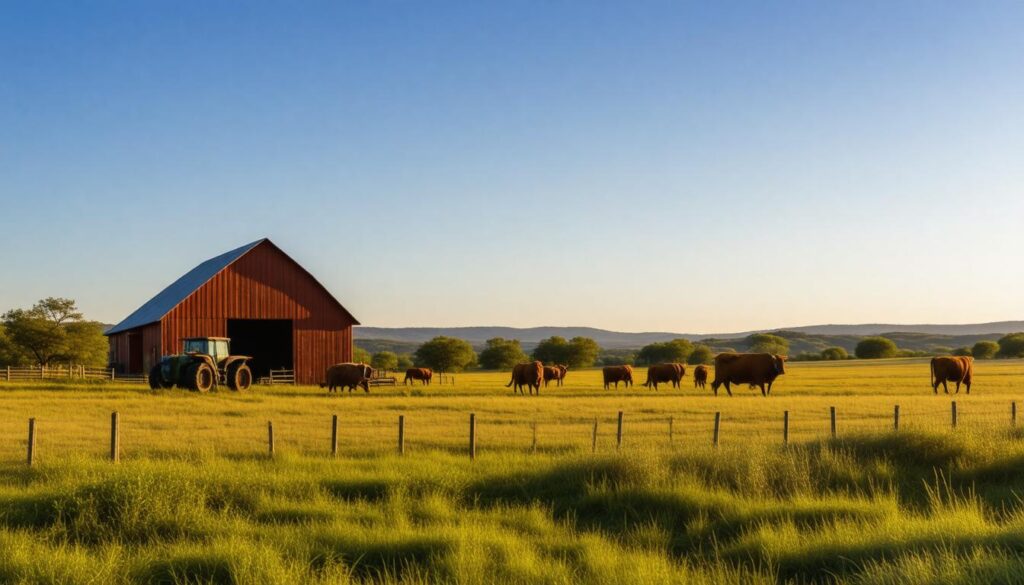 The very first thing you want to do when stepping onto a new piece of land is to develop a clear management plan. This isn’t just about jotting down tasks—it’s about envisioning what success looks like for your property.
Whether your focus is crop cultivation, raising livestock, or simply creating a recreational retreat, putting your goals on paper helps you stay organized and focused. Mapping out responsibilities and setting timelines transforms a vast expanse of land into manageable chunks of work, preventing overwhelm and setting you up for steady progress.
From there, maintaining the infrastructure becomes a cornerstone of daily life on the ranch. Fences hold both animals and opportunity in place; if neglected, they quickly turn from protective barriers into costly liabilities.
Regularly inspecting fences for gaps or wear isn’t glamorous work but saves thousands in future repairs. The same applies to irrigation systems—those veins of your land that keep crops healthy and pastures green. A clogged pipe or broken sprinkler may seem minor today but can cause serious damage during a dry spell.
Barns, storage sheds, and any outbuildings demand similar attention: check roofs for leaks, doors for rusted hinges, and floors for structural soundness. Staying ahead on upkeep strengthens not only your property but your peace of mind.
“A managed property reflects in its productivity and value.” — Mike Carrasco
Keeping informed is often overlooked by new landowners but is absolutely necessary for success. Joining local farm owner associations connects you with experienced neighbors who’ve navigated the exact challenges your property will face.
These communities provide invaluable advice on everything from pest control to negotiating water rights in Texas. Furthermore, agricultural policies shift regularly; staying tuned to these changes means you won’t miss out on incentive programs or grants designed to ease your operational costs.
Having this knowledge at hand transforms managing your ranch from reactive firefighting to strategic planning with an eye on growth.
Equipped with a solid plan, diligent maintenance habits, and staying plugged into local resources, you’re prepared to nurture your Texas farm into a lasting, productive investment.
For tailored guidance catered exactly to Texas farmland buyers like you, be sure to explore Mike and Cody’s Texas Ranch Sales.
Successful farm management blends careful planning with consistent upkeep and community engagement. With these elements in place, your new Texas property can thrive as both a personal haven and wise investment.