Thinking about buying a farm in Texas? You’re not alone—many people are drawn to the idea of owning wide-open land where they can grow crops, raise animals, or just enjoy the peace that comes with country living. But finding the right property takes more than flipping through listings; it means understanding what makes Texas farms unique and how to spot the perfect fit for your goals. That’s where Mike and Cody’s Texas Ranch Sales come in—they know the land and the market, helping buyers navigate everything from soil quality to water access so you get more than just acreage—you gain a place to call your own.
You can find a diverse selection of Texas farms for sale through Mike and Cody’s Texas Ranch Sales, which specializes in farm and ranch real estate across all major regions of Texas. Their expert team offers personalized service, access to an advanced ranch search engine, and comprehensive listings to help you find the ideal farm property that meets your needs.
The Appeal of Texas Farms
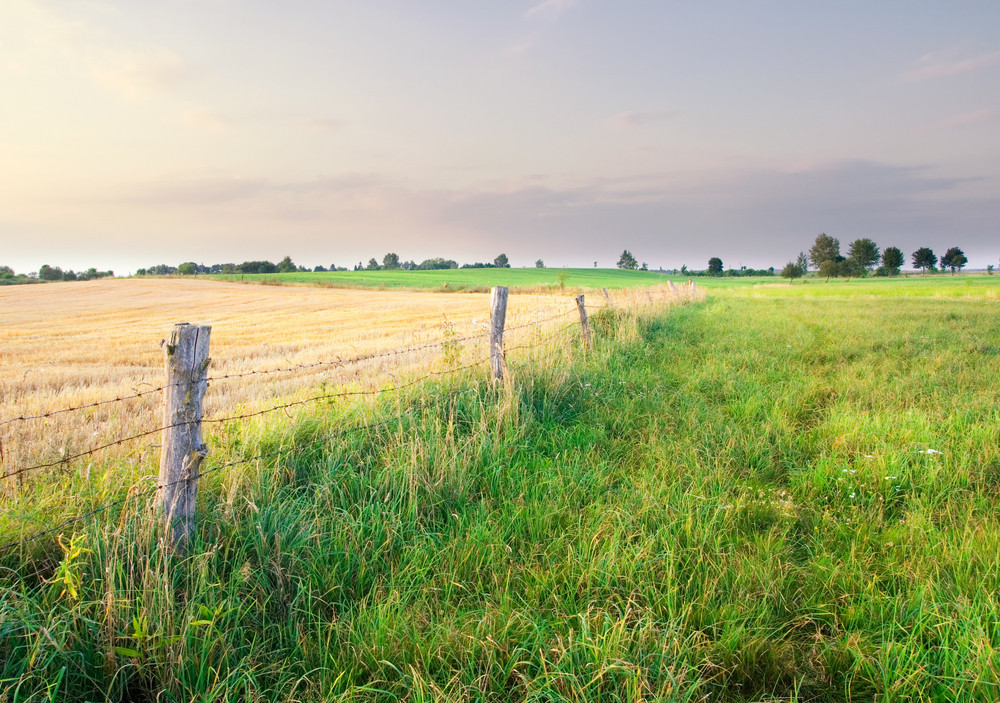
Texas farms are more than just places to work the land—they offer a lifestyle deeply connected to nature and tradition. The fertile soil supports a wide range of crops, from traditional staples like cotton and corn to specialty organic produce. This adaptability means farmers can tailor operations to market demands or personal passions without worrying about unsuitable climate or terrain.
It’s not just the crops that thrive here; livestock management flourishes under Texas skies. Cattle ranching remains a cornerstone of the state economy, but many farms also raise goats, sheep, and exotic game animals. The open pastures and varied topography enable rotational grazing techniques that promote sustainable land use and ensure herd health—practices crucial for long-term success.
Another undeniable lure is the rugged beauty inherent to Texas farmland—the rolling hills of the Hill Country, the sprawling plains of South Texas, or the wooded tracts of East Texas all provide distinct experiences and opportunities. This variety appeals not only from an agricultural perspective but also for those seeking privacy, recreational hunting, or simply a serene retreat from urban life.
Many buyers find themselves drawn to the sense of freedom that owning such expansive territory brings. You’re not just buying acreage—you’re investing in a connection to both the land and community. Whether it’s watching a sunrise over a waterline bordered by ancient oaks on one of our Jourdanton properties or enjoying spectacular panoramic views atop Hill Country ridges, owning a Texas farm offers moments few other investments can match.
When considering your purchase, think about what combination of factors matters most: Do you prioritize productive farmland? Scenic beauty and seclusion? Access to major highways for ease of logistics? At Mike and Cody’s Texas Ranch Sales, we help clients navigate these choices by matching their vision with available properties in regions ranging from Gulf Coast wetlands to West Texas expanses.
In addition, Texas farms often come equipped with valuable water resources — ponds, creeks, or even irrigation systems — which can dramatically increase usability and value. Water access plays a pivotal role not just for agriculture but also for wildlife sustenance and fire protection.
Understanding these core attributes sets the stage for exploring the diverse kinds of farm properties available across Texas—from intimate family-run operations to sprawling commercial enterprises.
Types of Farm Properties Available
Crop farms in Texas showcase remarkable variety, from the expansive wheat and cotton fields that stretch across certain regions to focused operations growing organic vegetables or vineyards cultivating grapes. The diversity reflects not only Texas’ size but also its varied climates and soil types.
For instance, the fertile plains of the Panhandle are ideal for large-scale grain production, with corn and wheat dominating these areas due to their adaptability and demand. Beyond scale, some farmers have shifted toward organic methods or specialty crops, responding to niche markets and consumer trends. These ventures require a deep understanding of soil health, irrigation nuances, and seasonal cycles—skills honed over years but rewarding through premium product pricing.
As we move from crops that grow under foot to those that roam your land, livestock farms represent an equally significant part of Texas agriculture.
Livestock Farms
In Texas, livestock farming is more than tradition—it’s a thriving industry integral to the state’s identity. Offering vast pastures and a climate suited for grazing, Texas leads U.S. beef production by a wide margin.
With roughly 13 million head of cattle reported by the USDA, managing livestock is both an art and a science here. Success in this area hinges on balancing herd health, pasture management, and breeding practices while adapting to weather extremes like droughts or freezes. Many ranchers blend wildlife management with cattle operations, providing ecological benefits alongside economic returns.
Practically speaking, owning a livestock farm means investing time in hands-on care but also planning for feed supply, vaccinations, and market fluctuations.
Meanwhile, some farms break the mold entirely by focusing on unique crops or products that thrive in smaller spaces but deliver specialized value.
Specialty Farms
Specialty farms zoom in on high-value crops such as lavender fields fragrant with blooms, pecan orchards harvesting one of Texas’ signature nuts, or apiaries dedicated to honey production. These operations typically occupy less acreage yet demand meticulous attention to soil conditions, pest control, and pollination cycles.
Although they might not have the broad scale of traditional farms, specialty farms yield profitable returns—especially when paired with direct-to-consumer sales like farmers markets or agritourism activities. However, entering this space requires learning crop-specific knowledge and often an upfront investment in equipment or infrastructure for processing products. Their appeal lies in diversifying farm portfolios and tapping into consumer preferences for artisanal or organic goods.
Whether it’s row crops swaying in the wind, herds grazing peacefully across hill country pastures, or rows of specialty plants humming with bees, Texas farms offer something for almost every type of agricultural interest—and each requires its own set of skills and attentiveness to succeed fully.
Understanding the various types of farms available is essential before investigating how financial factors influence buying decisions on these properties.
Financial Considerations for Buyers
Buying a Texas farm or ranch is more than just the price tag on the land itself — it’s a commitment that encompasses numerous financial layers. The cost of the land varies dramatically across Texas, depending heavily on location, accessibility, and available resources like water rights. Rural areas might offer prices as low as $2,500 per acre, while properties closer to major cities or in sought-after regions like Hill Country can climb above $7,000 per acre. Knowing these numbers upfront helps narrow down realistic options within your budget and prevents surprises later on.
But understanding the purchase price is only one piece of the puzzle; how you finance that purchase can greatly affect your overall investment.
Financing a ranch or farm is often complex, requiring more than a standard mortgage. While many buyers turn to traditional bank loans, specialized agricultural lenders deserve consideration because they understand the unique risks and cash flows involved in farming and ranching operations.
For example, the United States Department of Agriculture (USDA) provides loan programs tailored to new farmers and ranchers, easing barriers to entry by offering lower down payments and competitive interest rates. These loans can be game-changers for first-time buyers who might not otherwise qualify for conventional financing.
Yet beyond acquiring property and securing loans, owning a working farm demands ongoing financial attention.
Operating costs are where many buyers underestimate their budgets. Day-to-day expenses include equipment maintenance and replacement, seeds and feed purchases, livestock care, property taxes, insurance premiums, and labor salaries if you hire help. It’s easy to overlook how quickly these costs accumulate over a year, especially when dealing with unpredictable factors like weather or market fluctuations.
Budgeting realistically for these essentials safeguards your investment from becoming a financial drain and ensures your new ranch remains functional and productive.
To keep your finances on track, it’s important to build a detailed operating budget and revisit it regularly. Factor in seasonal variations—for example, irrigation costs may spike during drought periods—and plan for emergency repairs or improvements. Even small efficiency upgrades now can save significant sums down the road.
A savvy buyer takes advantage of resources like Mike and Cody’s Texas Ranch Sales team to gain insight into typical operating costs tied to different types of properties across various regions. Their deep knowledge of South Texas oak-studded parcels versus Hill Country vistas or Gulf Coast pastures means they can guide you toward investments aligned not only with your dreams but also your wallet.
“Understanding all financial dimensions—from land cost through ongoing expenses—is essential to making an informed purchase that brings both satisfaction and sustainable returns.”
| Financial Aspect | Key Considerations | Tips & Insights |
|---|---|---|
| Cost of Land | Location, size, water availability | Research market trends; factor future appreciation potential |
| Financing Options | Loan types: bank loans, USDA loans, private lenders | Compare interest rates; consider loan terms carefully |
| Operating Costs | Equipment upkeep, livestock care, labor expenses | Build monthly budgets; anticipate seasonal cost spikes |
Preparing thoroughly on these fronts leads to a smoother buying experience and positions you for success as a new Texas farm or ranch owner. With finances mapped out, understanding the broader trends shaping this market offers even greater confidence when making decisions.
Texas Real Estate Market Insights
The Texas real estate market mirrors the vastness and diversity of the state itself, spanning sprawling ranchlands, fertile farmlands, and rugged hill country retreats. Grasping current market dynamics is key for anyone serious about buying or selling Texas ranch properties because these trends directly influence timing, pricing, and long-term value.
In recent years, farmlands across Texas have steadily appreciated in value by roughly 4% annually, an indicator of growing demand and confidence in agricultural investments. This increase reflects not only the intrinsic worth of land but also factors like technological improvements in farming, stable commodity prices, and rising interest in outdoor lifestyles—elements that intertwine to uphold strong property values. While prices have climbed, Texas still offers a competitive edge compared to many other states on a price-per-acre basis, presenting excellent opportunities for buyers willing to act wisely.
For example, farmlands near urban-adjacent areas such as those surrounding San Antonio or Austin might carry a premium due to development pressures, while more remote parcels in regions like West Texas remain attractively priced but require attention to logistical challenges.
Yet, these numbers tell only part of the story; regional differences hold profound sway over what buyers can expect depending on where they look.
Current Market Trends
The Hill Country stands out as a prime hotspot with its rolling terrain and breathtaking vistas—prime reasons why buyers seek properties there for both recreation and retirement. East Texas benefits from generous rainfall and lush forests, attracting timber and cattle operations alike. These areas often see brisk activity fueled by strong local economies and high quality-of-life appeal.
On the flip side, West Texas offers striking ranches at lower entry points. However, buyers must factor in the realities of drought risks and less infrastructure development. Water access becomes a critical consideration here alongside ongoing operational costs related to managing arid landscapes.
Making a sound investment means weighing these regional factors alongside broader economic trends. Land that suits livestock well may be less ideal for game hunting or crop production—and vice versa—so identifying your primary objectives helps narrow choices effectively.
Regional Variances
| Region | Key Features | Market Considerations |
|---|---|---|
| Hill Country | Scenic views, moderate climate | Higher prices; sought-after rural lifestyle |
| East Texas | Fertile land; good rainfall | Steady agricultural demand; timber presence |
| West Texas | Affordable; large tracts available | Water scarcity; harsher climate challenges |
| South Texas | Mix of brushland and pasture | Growing population influence; diverse uses |
| Gulf Coast | Humid climate; coastal proximity | Risk of storms; mixed residential-agricultural focus |
This diversity makes it essential to tailor your search not just by geography but also by intended use—whether that’s raising livestock, developing hunting grounds, or acquiring an investment asset. Local knowledge becomes invaluable here, guiding buyers through nuances that raw data alone can’t reveal.
“Buying Texas ranch land isn’t just acquiring dirt beneath your feet—it’s gaining an entry into a lifestyle shaped by the land’s character.”
Work closely with experienced brokers such as Mike and Cody’s Texas Ranch Sales who bring firsthand knowledge of these regions plus expertise navigating local market nuances. Their insights help you understand how factors like soil quality, water availability, property access roads, and wildlife management impact both immediate utility and future appreciation potential.
Understanding these varied market conditions sets the stage for exploring other important considerations that influence your decision-making process—like optimizing location to suit your specific goals and lifestyle preferences.
Key Factors When Choosing a Location
No matter how picturesque a piece of land looks, the health of its soil remains fundamental to any successful farming or ranching endeavor. Soil is essentially the foundation upon which every crop grows and every pasture thrives. I always recommend getting a comprehensive soil test before you even think about buying. This step will reveal vital information like nutrient levels and pH balance—critical data points that can make or break your agricultural plans. Without this knowledge, you could find yourself facing costly amendments later, trying to fix problems that were avoidable.
In Texas, with its diverse geography, soils can vary dramatically from one county to another. The folks at Texas A&M AgriLife Extension offer reliable testing services that provide detailed insights into the nutrient profile of your prospective property. Understanding what you’re dealing with helps tailor your approach—whether it’s selecting appropriate crops, fertilizers, or grazing strategies for livestock.
Access to Water
Water is the lifeblood of any farm or ranch, especially out here in Texas where droughts are often part of the equation. Reliable access to water is non-negotiable—not just for crops but for livestock as well. When considering a property, pay close attention to existing water sources such as wells, ponds, creeks, or rivers. Sometimes these are already in place; other times they need to be developed.
Keep in mind that establishing irrigation systems or drilling wells comes with a price tag—not just upfront but in ongoing maintenance and energy costs too. Importantly, some areas have restrictions on water usage and permits may be required. It’s wise to research local water rights and availability long before signing any contracts. A property boasting natural water resources might save you significant expenses and headaches down the line.
Beyond natural resources like soil and water, it’s also essential to consider how easy it will be to get your products from the farm to the consumer—so let’s talk about proximity to markets.
Proximity to Markets
Location matters enormously when you’re planning to sell farm or ranch products, whether it’s cattle, hay, vegetables, or specialty goods. Being close to urban centers or processing facilities reduces transportation time and costs, making your operation more efficient and competitive. Take North Texas for example—ranches near Dallas-Fort Worth tap into a huge consumer base hungry for fresh and local products.
Conversely, if you choose more remote properties far from market hubs, be prepared for higher logistics costs and longer delivery times. While these places might offer excellent prices or ideal conditions for certain types of farming or hunting ranches, balancing those benefits against market access is crucial. This consideration often influences daily operations—from feed purchases to sales scheduling—and ultimately impacts your bottom line.
Many seasoned buyers weigh proximity alongside other factors like road quality and ease of hauling heavy equipment. Good roads and public infrastructure ease every aspect of ranch life—even emergency response times depend on them. So while it might be tempting to opt for total seclusion on an affordable parcel far from civilization, remember that accessibility can save both money and stress.
Additional Considerations
Of course, location isn’t just about physical attributes—social factors count too. Things like nearby schools, medical facilities, or community resources may influence your family’s quality of life if you plan to live on-site. As specialists in Texas ranch real estate at Mike and Cody’s Texas Ranch Sales, we often guide clients not only through the soil and water details but also through what living day-to-day in various regions feels like.
“A great ranch isn’t just land—it’s a lifestyle,” as one client recently put it.
Our experience spans South Texas oak-studded landscapes near Jourdanton Oaks to rolling Hill Country retreats like Spring Branch Vista—all offering unique blends of natural beauty and practical amenities. We strive to ensure our clients find not just good dirt but a spot where they can thrive.
As important as understanding land qualities are the steps involved in acquiring property that matches your vision and needs. Exploring those steps carefully helps navigate the complexities of Texas real estate with confidence and clarity.
The Process of Buying Land in Texas
Purchasing land in Texas involves more than just signing on the dotted line; it’s a methodical process designed to protect your investment and give you peace of mind. The first crucial step is thorough research. This means understanding zoning laws that dictate what the land can be used for—whether agricultural, residential, commercial, or recreational.
You’ll need to investigate any restrictions that may limit development or impose certain uses, such as water rights regulations or protected wildlife areas. Knowing these details early on saves you from future headaches and unexpected costs.
Once you’ve gathered your initial information, the next key move is hiring professionals who know the ropes. It’s wise to engage a real estate agent with expertise in Texas ranch and farm properties.
Agents like those at Mike and Cody’s Texas Ranch Sales don’t just list properties—they guide you through the nuances unique to Texas land sales. Their insight includes knowledge about regional market trends, property values, and negotiation strategies tailored for rural properties.
Visiting their website at https://mikeandcodystexasranchsales.com connects you with trusted experts ready to assist.
After establishing your team, due diligence should be next on your checklist. This means commissioning a professional land survey to verify boundaries and identify easements or encroachments.
You’ll also want an environmental inspection to uncover any contamination issues or protected habitats that could restrict your use of the property. Soil testing is equally important, especially for farms or ranches, as soil composition affects crop viability and overall land health.
These steps provide concrete data that substantiates your decision or highlights red flags before making financial commitments.
Having everything verified and cleared up, you’re ready to move towards drafting a purchase agreement. This legal document outlines all terms between buyer and seller: price, contingencies, closing date, and any necessary repairs or condition clauses.
Partnering with a knowledgeable real estate attorney during this stage is invaluable; they ensure the contract is fair, complete, and protects your interests by clarifying complex legal language that often confuses buyers unfamiliar with it.
Finally comes closing day—the moment all your preparation pays off. At this phase, funds transfer hands, signatures are gathered on final documents, and ownership officially changes over.
A title company plays a critical role here by conducting a title search to confirm there are no liens or claims against the property and managing escrow services to securely handle payment distribution. Their involvement helps guarantee a smooth transaction free from surprises that could derail your purchase.
“Buying land is more than a transaction; it’s crafting the foundation of your future—whether that’s raising cattle in South Texas or enjoying quiet ranch life in the Hill Country.”
Each step builds upon the last—research informs choices; skilled professionals elevate confidence; due diligence uncovers truths; legal safeguards seal agreements; and closing makes it official.
Understanding how to navigate land purchases sets a solid base for exploring ways to grow your assets. Turning our attention now to avenues where owning Texas farmland can become a valuable part of your broader investment strategy offers intriguing possibilities.
Investment Opportunities in Texas Farmland
Texas farmland isn’t just open space; it’s a multifaceted asset that can generate income from several angles depending on how you choose to develop or maintain it. When considering farmland investments, understanding the types and their typical returns can help you make informed decisions aligned with your financial goals and risk tolerance.
| Type of Investment | Potential ROI | Description |
|---|---|---|
| Crop Farming | 5-10% | Profitable with high-yield crops |
| Livestock Ranching | 4-8% | Stable income from cattle and other livestock |
| Specialty Farming | 8-15% | High returns but requires specialized knowledge |
| Recreational Land | 3-6% | Income from hunting leases and eco-tourism |
| Timberland | 7-12% | Long-term investment with periodic revenue |
Take crop farming as an example — it remains a cornerstone of Texas agriculture, especially when focusing on high-demand crops that thrive in the local climate. While it typically offers moderate returns between 5 to 10%, success hinges on soil quality, water availability, and crop management practices. Investors must be ready to engage in seasonal cycles and market fluctuations, which can impact profitability.
Conversely, livestock ranching provides more stable but generally lower risk returns around 4 to 8%. Texas’ deep-rooted ranching culture supports thriving cattle operations and other livestock ventures, making this type of investment dependable for consistent income streams. The tradeoff here is usually less volatility, but also slower growth compared to more specialized or intensive farming methods.
Specialty farming represents one of the higher-return avenues—yielding between 8 to 15% in many cases—but it isn’t without challenges. This category might include organic produce, vineyards, or niche crops requiring precise knowledge and attention. While these operations often command premium prices, they demand close involvement from owners or skilled managers who understand both the biology and market dynamics.
There’s also growing interest in recreational land investments. Texas’ vast wilderness areas allow for leasing properties for hunting or eco-tourism, bringing steady income at modest returns between 3 to 6%. Beyond direct revenue, owning land with recreational value can boost property appreciation as lifestyle buyers seek privacy and natural settings. This diversification adds flexibility to your investment portfolio.
Timberland purchasing rounds out notable farmland opportunities offering long-term value through periodic harvests and steady capital growth. With returns generally between 7 and 12%, timber investments appeal to those with patience for cyclical markets and a focus on sustainable forestry management practices. Over time, this option combines environmental stewardship with financial benefits.
For prospective investors, the key lies in aligning these options with personal interests, expertise, and resource availability. Engaging with local experts—like Mike and Cody’s Texas Ranch Sales—can illuminate crucial details about properties and markets that online listings alone won’t capture. Their comprehensive understanding of Texas regions ensures you’re guided thoughtfully toward properties fitting your objectives.
Investing in Texas farmland thus requires a multi-dimensional approach: assessing potential returns alongside operational demands while factoring in lifestyle preferences and long-term goals. Each type of investment offers unique cash flows and risks, shaping how best to build wealth through land ownership in the Lone Star State.
Navigating the diverse opportunities in Texas farmland investing opens doors to both financial growth and personal fulfillment through land ownership. With sound strategy and expert guidance, you can secure a valuable asset tailored to your vision.