


On October 21, 2026, the USDA and Texas Parks and Wildlife confirmed New World screwworm in a hunter-harvested elk in Pecos County, Texas. It is the first wildlife case of the current outbreak, and it was caught because a hunter and a TPWD biologist checked the animal.
With hunting season in full swing, hunters and landowners are now some of the most important eyes in the field. Here is what happened, what to look for, and who to call.
The Latest
What Happened in Pecos County
The elk, a cow, was harvested by a hunter on a game ranch in Pecos County. A sample was sent to the USDA’s livestock insects research lab in Kerrville, which confirmed screwworm on October 21. The Texas Animal Health Commission (TAHC) will adjust the infested zone in the area, and the USDA and TPWD are adding wildlife surveillance nearby.
Pecos County is not a new area for screwworm. Cases were already confirmed there in a sheep in July and in cattle in early October. What is new is that the parasite has now been found in a wild animal. New Mexico also confirmed its first cases in October.
Why It Matters
Why a Wildlife Case Matters
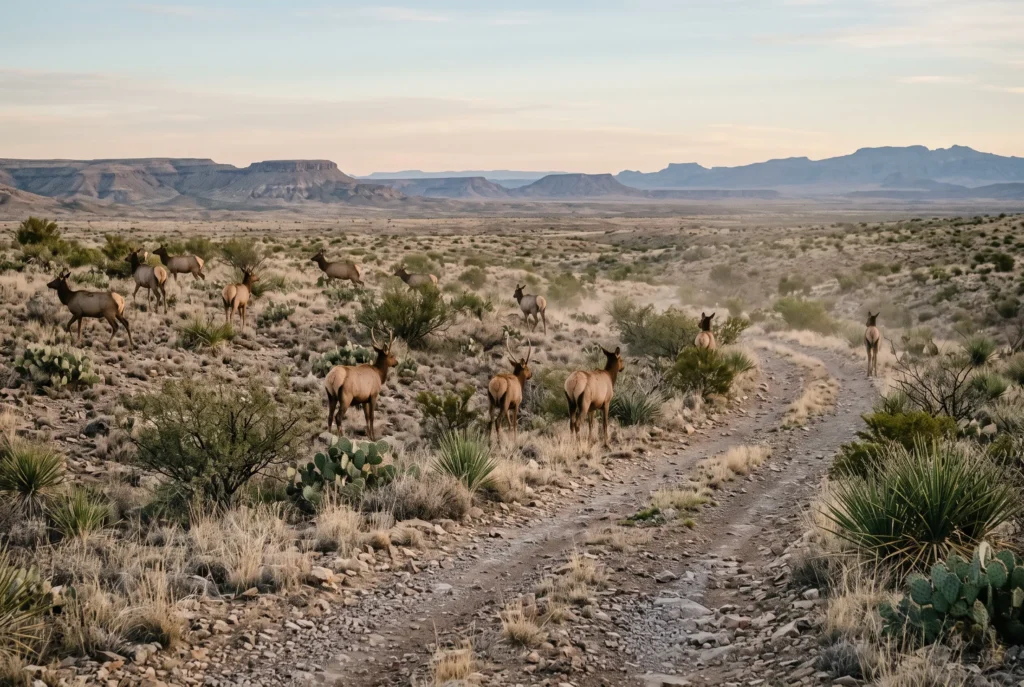
Cattle, sheep, and goats can be penned, checked, and treated. Deer, elk, and exotics move across large areas and are rarely handled up close. That is why officials are asking hunters and landowners to watch for screwworm this season. TPWD’s Wildlife Division Director, Alan Cain, credited the partnership between TPWD biologists, local hunters, and landowners for catching this case quickly.
Warning Signs
Signs of Screwworm in Deer, Elk, and Livestock
According to Texas Parks and Wildlife and the USDA, watch for:
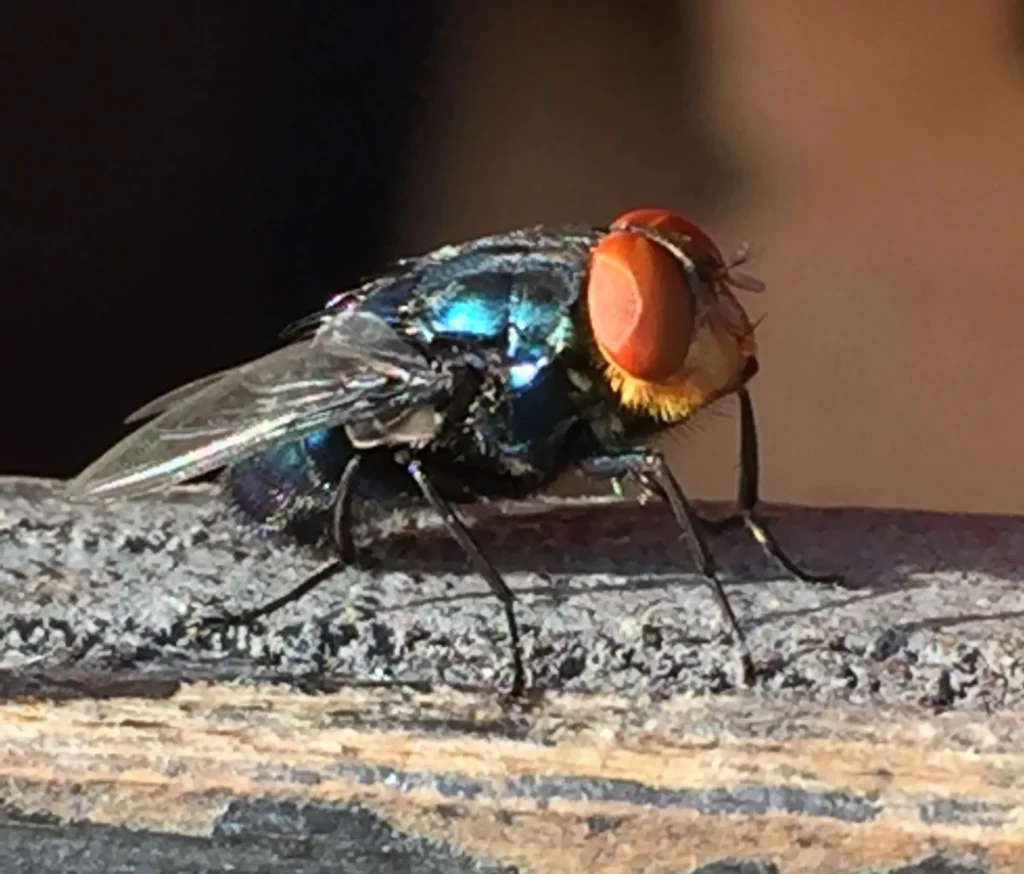
Wounds
- Maggots (fly larvae) in wounds
- Open or growing wounds
- A smell of rotting flesh
Behavior
- Weak, irritated, or depressed animals
- Head shaking or loss of appetite
- Animals staying away from the herd
Where to Look
- Nose and mouth
- Ears and eyes
- Genitals and other moist areas
- Feet and between the toes
In the Field
How to Check a Harvested Deer or Elk
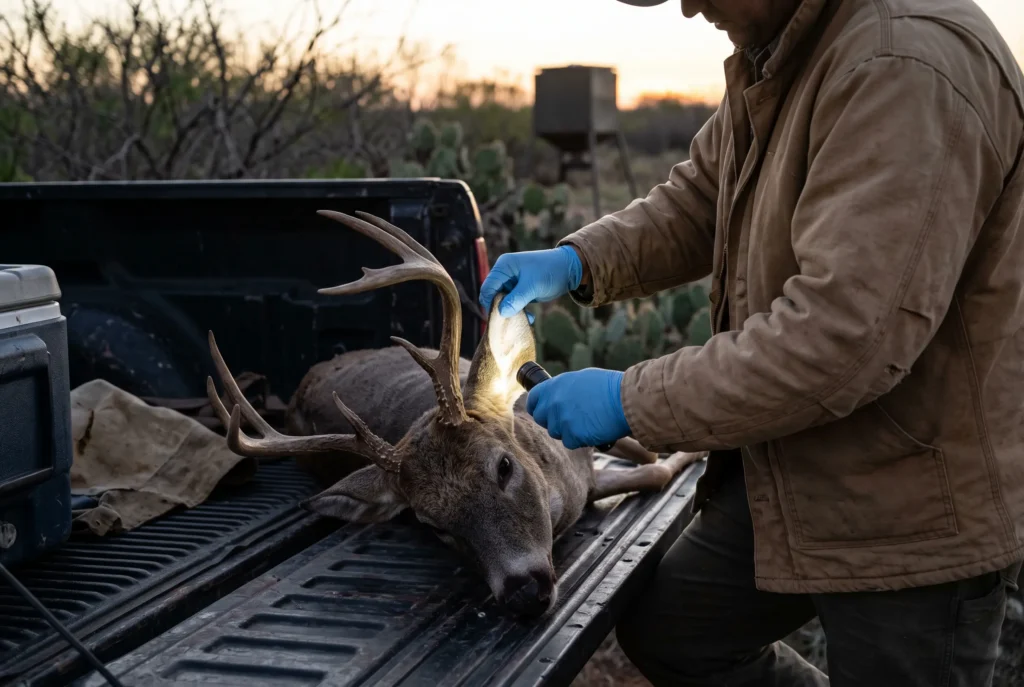
TPWD asks hunters to give every harvested animal a quick check before processing:
- Look at the eyes, ears, nose, mouth, genitals, and other moist areas.
- Run your hands along the body to feel for wounds you might not see.
- Check the feet and between the toes.
- Look and smell for any wound with maggots or a rotting odor.
If something looks suspicious, take photos and report it right away.
How to Report a Suspected Case
- Deer, elk, and other wildlife: contact your local TPWD wildlife biologist or call 512-389-4505.
- Livestock and pets: contact your TAHC region office or the Veterinarian on Call at 1-800-550-8242.
- More information: visit screwworm.texas.gov.
TAHC asks that suspected cases be reported within 24 hours.
For Landowners
What This Means for Game Ranches and Hunting Properties
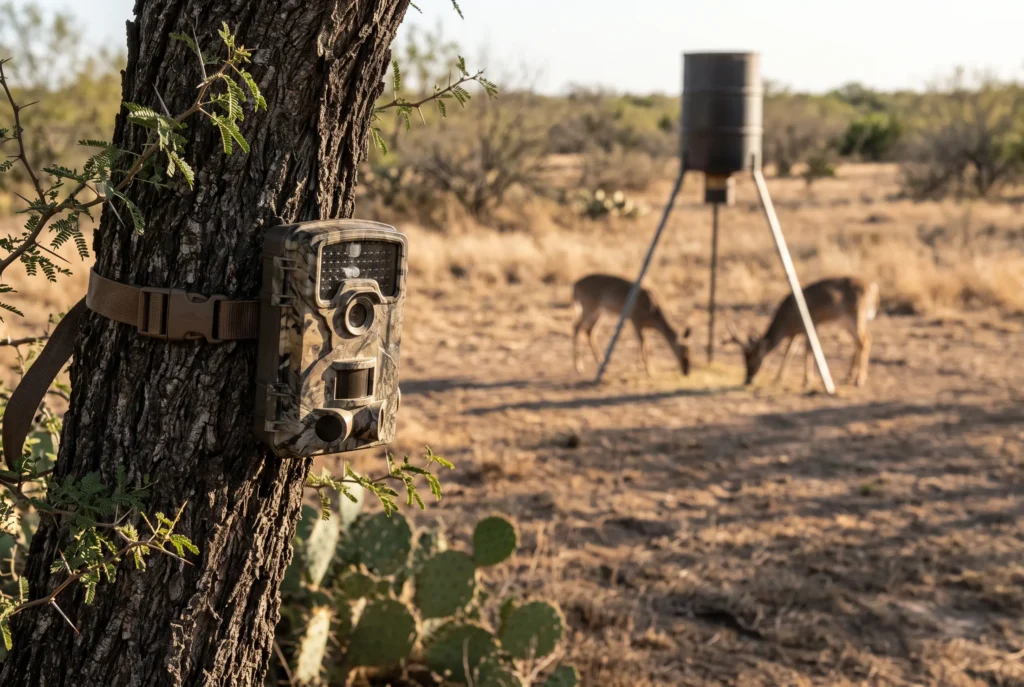
If you own or lease hunting land, a few simple habits go a long way this season:
- Check the TAHC infested zone map for your property and nearby counties. Inside a zone, warm-blooded animals cannot be moved out without TAHC authorization, an inspection, and a movement certificate.
- Ask your hunters and guests to check every animal they harvest and tell you about anything unusual.
- Use game cameras and feeder visits to watch for animals with wounds or odd behavior.
- Keep simple records of what you check and report. They also help if you sell the ranch later.
The USDA says screwworm does not affect food safety, though it can affect meat production. The CDC reports that no one has caught screwworm inside the U.S. during this outbreak, and the risk to people remains very low.
Buying and Selling
Buying or Selling a Hunting Ranch During the Outbreak
Screwworm adds a few questions to your checklist, but it does not have to stop a sale. Buyers should ask whether a property is in or near an infested zone and how wildlife and livestock are monitored. Sellers with livestock or game ranch operations should plan ahead for any movement requirements. For more detail, read our guide on screwworm in Texas for ranch buyers and sellers.
Talk to Mike and Cody
Looking for Hunting Land in Texas?
Browse hunting ranches across Texas or call us to talk through a property, an infested zone, or what screwworm means for your plans.
Information current as of October 22, 2026. Screwworm zones and case counts change often, so check the Texas Animal Health Commission and screwworm.texas.gov for the latest.