

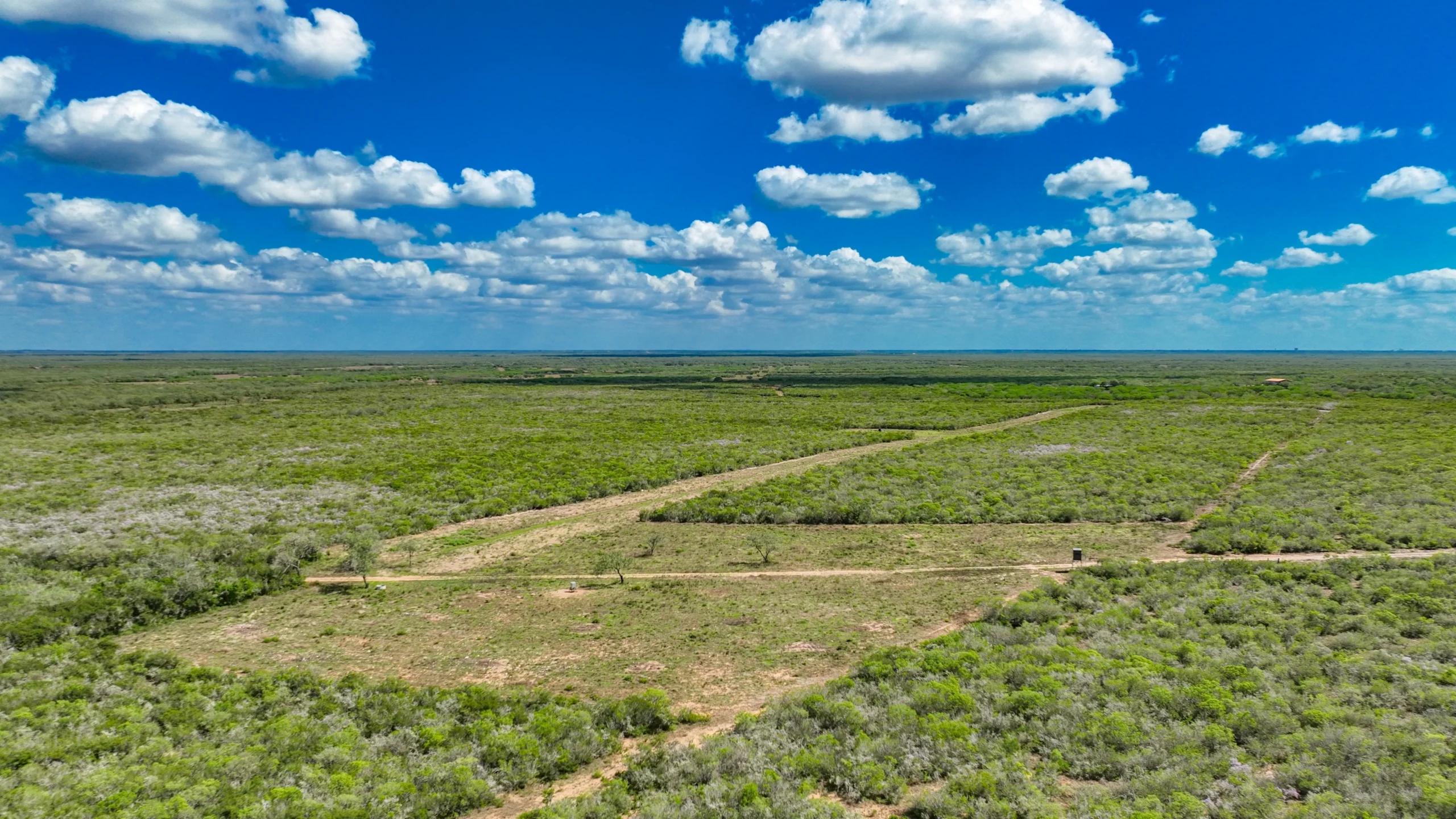
The Texas “ag exemption” is not really an exemption. It is a special appraisal that values qualifying land on its ability to produce agricultural products instead of its market value, which usually means a lower property tax bill.1,5
When land changes hands, buyers and sellers need to know three things: whether the special appraisal continues, who has to file to keep it, and who pays rollback taxes if the land’s use changes. This guide covers all three.
The Basics
What Is the Texas Ag Exemption?
What most people call an ag exemption is open-space agricultural appraisal, often called 1-d-1. Instead of taxing the land on what it would sell for, the appraisal district taxes it on its productivity value, which the Texas Comptroller says is usually lower than market value.1 Texas A&M AgriLife describes it as an alternative way to calculate the taxes owed, not a tax exemption.5
To qualify, land generally has to meet three requirements:
Current Use
The land is devoted principally to agricultural use to the degree of intensity generally accepted in the area.1
Use History
The land has been used for agriculture or timber for at least five of the past seven years.1,2
Application
The owner files an application with the county appraisal district before May 1. The chief appraiser can extend the deadline up to 60 days for good cause.3
Ag value is a tax value, not a sale price. A low productivity value on the tax record does not tell you what the land would sell for. See our guide to Texas land prices by region for current market figures.
Qualifying Uses
What Counts as Agricultural Use in Texas?
Common agricultural uses include raising livestock and growing crops. Because the standard is the degree of intensity generally accepted in your area, your appraisal district decides whether a specific operation qualifies, so ask for its guidelines before you buy or change how the land is used.1 Two uses have specific rules in state law:
Beekeeping
Keeping bees for pollination or for honey and other products with commercial value can qualify, but only on land that is at least 5 and no more than 20 acres.2
Wildlife Management
Land already appraised as qualified open-space or timber land can convert to wildlife management use. The owner must actively use at least three of seven practices: habitat control, erosion control, predator control, supplemental water, supplemental food, shelters, and census counts.2
Buying or Selling
What Happens to the Ag Exemption When Land Is Sold?
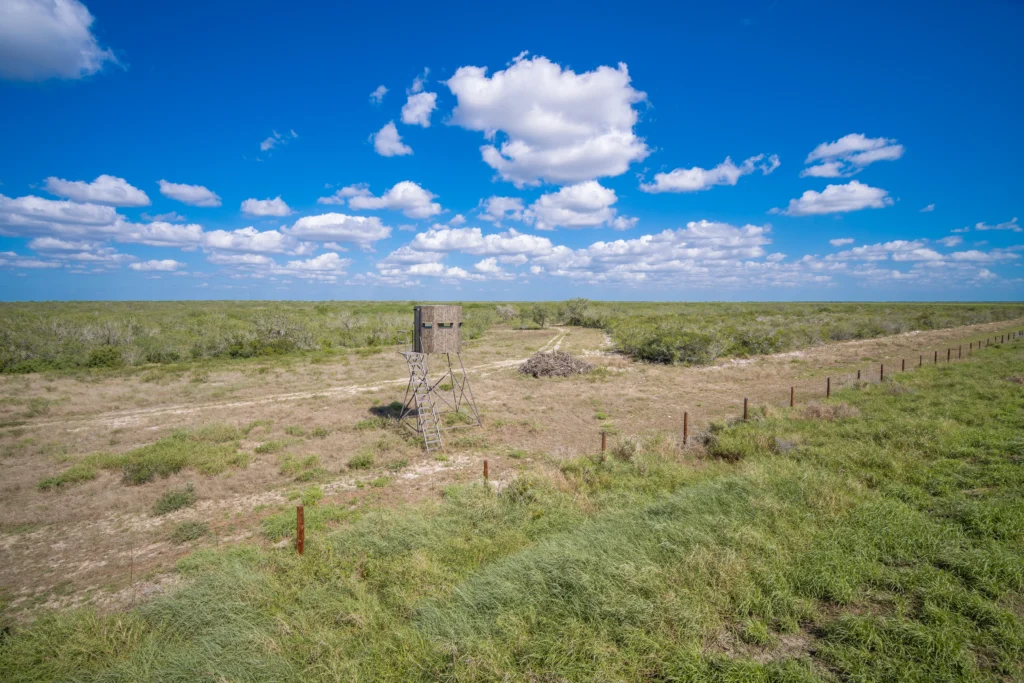
Under the Texas Tax Code, land that has been approved stays eligible without a new application unless the ownership of the land changes.3 Since January 1, 2026, ownership is not treated as changed when the buyer uses the land in materially the same way as the former owner did in the preceding tax year, and that use is overseen or conducted by the same individuals, such as the same rancher or lessee.8 Outside that exception, a buyer generally needs to file a new application to keep the lower valuation. A transfer to a surviving spouse is also not treated as a change of ownership.3
The 2026 law also gives qualifying buyers more time. If the exception applies and the application is late, the appraisal district must accept it if it is filed by the later of the tax delinquency date or the first anniversary of the transfer, without the usual 10 percent late-filing penalty.8 Ask the district which rule applies to your purchase before closing.
For Buyers
- Check the property’s appraisal district record for the current valuation
- Ask the seller for the use history and any grazing or farming lease
- Ask the appraisal district whether your planned use meets its standards
- Ask whether the 2026 same-use exception applies, or whether you need to file a new application before May 13,8
- Confirm who will run the operation after closing, since the exception depends on the same individuals
- Keep records that show the land stays in qualifying use
For Sellers
- Share the current valuation status and how the land has been used
- Provide lease, livestock, or wildlife management records you have
- Know whether anything you did before closing changed the land’s use
- Review the contract’s rollback tax paragraph before you sign
Owners also have a duty to report changes. If the land stops qualifying, the owner must notify the appraisal office in writing before May 1, or face a penalty equal to 10 percent of the difference in taxes.3
Rollback Taxes
Rollback Taxes: What They Are and Who Pays
A rollback tax is an additional tax that applies when land with open-space agricultural appraisal changes to a non-agricultural use, such as commercial development or a subdivision. It equals the difference between the taxes paid on the land’s agricultural value and the taxes that would have been paid on its market value, for each of the three years before the year the use changed.1,4
The rollback is tied to the change of use, not to the sale itself. If the bill is not paid by its deadline, it becomes delinquent and penalties and interest apply.4 The Tax Code exempts some changes from rollback, including a sale for right-of-way, a condemnation, and a transfer to a public entity for a public purpose.4
Suppose the use changes in 2026 and the land received open-space appraisal in each of the three prior years:
| Prior Year | Taxes on Ag Value | Taxes on Market Value | Difference |
|---|---|---|---|
| 2023 | $400 | $3,000 | $2,600 |
| 2024 | $450 | $3,200 | $2,750 |
| 2025 | $500 | $3,400 | $2,900 |
| Illustrative total | $8,250 |
Illustration only. These are invented amounts, not a quote for any county or listing. Each year uses its own values and tax rates, and regular annual property taxes are separate.
Who pays depends on what caused the change:
| Situation | Does Rollback Apply? | Who Pays Under TREC Form 25-17 |
|---|---|---|
| Buyer keeps the land in qualifying use, and files a new application if required | No change of use | Not applicable |
| Buyer develops or changes the use after closing | It can, for the three prior years | Buyer |
| Seller changed the use before closing | It can | Seller |
| Land is taken by condemnation or sold for right-of-way | Listed exception | Not applicable |
The current Texas Real Estate Commission Farm and Ranch Contract, Form 25-17, effective July 1, 2026, assigns these taxes. If the sale or the buyer’s use after closing results in additional taxes for periods before closing, the buyer pays. If they are imposed because of the seller’s use or change in use, the seller pays. These obligations survive closing.6
Planning a homesite? Claiming a residence homestead alone does not change the land’s use under the Tax Code.4 A homesite may still be valued differently from the acreage in agricultural use, so ask your appraisal district how it handles a new house before you build.
Not the Same Thing
Ag Exemption vs. Ag/Timber Number
The ag/timber number is a separate program run by the Texas Comptroller. Qualifying producers use it to claim exemption from sales tax on certain purchases, and it must be renewed every four years.7 Your property tax valuation is handled by the county appraisal district, so having one does not give you the other.
Available Now
Our Listings With Ag or Wildlife Valuation
These listings described an ag exemption or wildlife valuation as of November 2026:
| Property | County | Acres | Price | Listed Valuation |
|---|---|---|---|---|
| Jourdanton 22 | Atascosa | 22± | $284,000 | Ag exempt |
| Jourdanton 11 | Atascosa | 11± | $149,000 | Ag exempt |
| Alto Vista | Bexar | 24.15± | $799,999 | Agricultural exemption |
| Triple Shot Ranch | Edwards | 100± | $319,900 | Wildlife valuation |
| Frances Creek Ranch | Real | 371.33± | $1,995,000 | Wildlife exempt |
Valuation status as described on each listing in November 2026. Prices may change. Ask the county appraisal district whether a new application will be needed after purchase, and confirm current status.
FAQ
Frequently Asked Questions About the Texas Ag Exemption
Does the ag exemption transfer to a new owner in Texas?
It can, but do not assume it carries over automatically. Land stays qualified without a new application unless ownership changes. Since January 1, 2026, ownership is not treated as changed when the buyer keeps materially the same use, overseen or conducted by the same individuals as the prior year. Otherwise, file a new application with the county appraisal district before May 1. A transfer to a surviving spouse is also not treated as a change of ownership.
What animals qualify for ag exemption in Texas?
Cattle, sheep, goats, and other livestock can qualify.9 What matters is the operation, not just the animal: the land must be used principally for agriculture to the degree of intensity generally accepted in your area, so your appraisal district judges stocking and management against local standards. Beekeeping has its own rule and requires 5 to 20 acres. Ask your district for its guidelines.
How do I get an ag exemption in Texas?
If an application is required, file it with your county appraisal district before May 1, generally using Comptroller Form 50-129 or the district’s version of it. The land must currently be used principally for agriculture to the degree generally accepted in the area, and it must have been used for agriculture or timber for at least five of the past seven years. If you are buying land that already has ag valuation, see what happens when land is sold, since the 2026 same-use exception and late-filing relief may apply.
How do I look up whether a property has an ag exemption?
Search the county appraisal district’s property records by owner, address, or account number. The record often shows whether the land carries agricultural productivity value. Confirm the current status and approved acreage with the district directly.
How many acres do you need for an ag exemption in Texas?
State law does not set one minimum acreage for most agricultural uses. Beekeeping is the exception, at 5 to 20 acres. Your appraisal district decides whether your use meets local standards, so ask about its guidelines for your type of operation.
What is a rollback tax in Texas?
A rollback tax is an additional tax due when land with open-space agricultural appraisal changes to a non-agricultural use. It equals the difference between the taxes paid on the agricultural value and the taxes that would have been paid on market value, for each of the three years before the change.
Who pays rollback taxes when land is sold in Texas?
Under the Texas Real Estate Commission Farm and Ranch Contract, the buyer pays if the sale or the buyer’s use after closing causes the additional taxes. The seller pays if the seller’s use or change in use caused them. Read the contract you sign, and ask an attorney about your situation.
Can I build a house on ag exempt land?
Claiming a residence homestead alone does not change the land’s use under the Tax Code. A homesite and the land under a house may be treated differently from the acreage still in agricultural use, so ask your appraisal district how it handles a homesite before you build.
Is the ag exemption the same as an ag/timber number?
No. The ag/timber number is issued by the Texas Comptroller so qualifying producers can buy certain items without paying sales tax. Open-space agricultural appraisal is a property tax valuation handled by your county appraisal district.
Buying or Selling Ag Land?
Talk With a Texas Ranch Broker
We can help you understand a property’s current valuation, what to ask the appraisal district, and what your land could sell for.
Sources
Sources and Further Reading
Sources checked November 5, 2026. Numbers in the article link to the matching source below.
- Texas Comptroller of Public Accounts. Agricultural, Timberland and Wildlife Management Use Special Appraisal
- Texas Tax Code Section 23.51. Definitions (open-space land, agricultural use, wildlife management)
- Texas Tax Code Section 23.54. Application
- Texas Tax Code Section 23.55. Change of Use of Land
- Texas A&M AgriLife Extension, Texas Agriculture Law. Special Use Valuation in Texas, Part I: The Basics. November 7, 2016
- Texas Real Estate Commission. Farm and Ranch Contract, Form 25-17, effective July 1, 2026. Paragraph 13.B, Rollback Taxes
- Texas Comptroller of Public Accounts. Agricultural and Timber Items (Ag/Timber Number)
- Texas Legislature. H.B. 1244, 89th Legislature, enrolled text. Amends Tax Code Sections 23.54(e-1) and 23.541, effective January 1, 2026
- Texas Comptroller of Public Accounts. Manual for the Appraisal of Agricultural Land
This guide provides general information, not legal or tax advice. Appraisal districts apply these rules locally, so confirm qualification, deadlines, and any rollback tax with your county appraisal district, and ask a Texas real estate attorney about your contract.